
Conflict in Lebanon: UN Condemns Destruction of Religious Statue by Israeli Soldier
Despite a 10-day ceasefire in Lebanon, hostilities continue with mass displacement and restricted returns to affected areas, as reported in recent UN updates.[5] In the conflict in Lebanon, the United Nations has condemned the destruction of a Jesus statue by an Israeli soldier as shocking and unacceptable, emphasizing the desecration of religious symbols.[1] Residents in southern Lebanon, particularly in Tyre, express deep suspicion toward the truce, fearing an imminent return to war between Israeli forces and Hezbollah as the ceasefire nears its expiration.[3] Meanwhile, Israeli forces have expanded their occupation of border villages in south Lebanon since the ceasefire began,[4] and while there has been a 21 percent decrease in displaced people in collective shelters, 117,420 individuals still remain in 631 sites across the country.[5]
Ongoing Conflict in Lebanon Despite Ceasefire
The current dynamics in the conflict in Lebanon reveal a fragile pause in fighting, marked by a 10-day ceasefire that has failed to fully halt hostilities or alleviate the humanitarian crisis.[5] Recent UN reports highlight continued mass displacement and immense humanitarian needs even after the ceasefire's start.[5] This situation is compounded by specific incidents that have drawn international attention, such as the destruction of a Jesus statue by an Israeli soldier, which the UN has described as shocking.[1] The UN spokesperson underscored that the desecration of religious symbols and houses of worship is unacceptable, regardless of the religion involved.[1] This event stands out amid broader tensions, where residents in key areas like Tyre voice profound distrust in the truce's durability.[3]
Displacement figures provide a quantitative measure of the ongoing strain. A 21 percent decrease in the number of displaced people in collective shelters has been recorded overall, yet 117,420 people continue to shelter in 631 sites nationwide.[5] This partial improvement does not erase the scale of the crisis, as returns to affected areas remain heavily restricted. Specifically, access to 74 localities in southern Lebanon is limited due to ongoing military presence.[5] Such restrictions perpetuate instability, preventing civilians from resuming normal lives and sustaining humanitarian demands.
Local sentiments further illustrate the ceasefire's tenuous nature. In Tyre, southern Lebanon's largest city, residents suspect the truce is merely a temporary lull, with fears mounting over a potential swift return to conflict between Israeli forces and Hezbollah, especially as the ceasefire is set to expire on Sunday.[3] Reports also indicate that Israeli forces have broadened their control over south Lebanon border villages since the ceasefire took effect at the end of last week.[4] These military movements signal persistent operational activities, undermining confidence in the truce. The combination of these elements—religious desecrations, displacement persistence, local fears, and territorial expansions—paints a picture of a conflict in Lebanon where the ceasefire has brought limited respite amid simmering hostilities.[1][3][4][5]
Overview of the Ceasefire and Current Situation
{IMAGE_2}
The 10-day ceasefire in Lebanon, as detailed in UN flash updates, has not stemmed the tide of hostilities, with ongoing tensions shaping the security landscape.[5] Collective shelter occupancy has seen a 21 percent decrease in displaced persons, but the figure of 117,420 individuals in 631 sites underscores the enduring scale of internal displacement.[5] This partial reduction occurs against a backdrop of restricted returns, particularly to 74 localities in southern Lebanon where military presence continues to block access.[5]
In southern Lebanon, particularly around Tyre, the atmosphere remains charged with uncertainty. Residents of this major city express suspicion toward the truce, viewing it as unreliable.[3] They fear an imminent resumption of war between Israeli forces and Hezbollah, with the ceasefire scheduled to expire on Sunday.[3] This local perspective aligns with reports of military adjustments, as Israeli forces have expanded their occupation of border villages since the ceasefire's onset at the end of last week.[4] Military sources confirm this expansion, indicating a strategic deepening of control in these areas.[4]
These developments collectively highlight the ceasefire's limitations. While some displacement metrics show marginal improvement, the persistence of military activities and civilian fears points to a situation where hostilities simmer beneath the surface.[3][4][5] The UN's emphasis on continued mass displacement and humanitarian needs reinforces the view that the truce has not fully stabilized the region.[5] Border areas, in particular, remain focal points of contention, with expansions in occupation altering the ground reality post-ceasefire.[4] Tyre's residents articulate a broader sentiment of terror, suggesting Israel's actions aim to instill fear, further eroding trust in de-escalation efforts.[3] This overview captures a conflict environment where temporary halts in fighting coexist with structural challenges to lasting calm.[3][4][5]
Key Incidents and UN Response
A notable incident amid the ceasefire involves the destruction of a Jesus statue by an Israeli soldier in Lebanon, which the UN has labeled as shocking.[1] The UN spokesperson stated that the desecration of religious symbols and houses of worship is unacceptable, irrespective of the faith involved.[1] This condemnation highlights the international body's stance against actions that target sacred sites during conflict, emphasizing a universal prohibition on such desecrations.[1]
This event occurs within a context of broader hostilities, despite the 10-day ceasefire's implementation.[5] The UN flash update notes continued mass displacement and immense humanitarian needs, even as shelter populations have decreased by 21 percent, leaving 117,420 people in 631 sites.[5] Restricted returns to 74 southern localities due to military presence further complicate the situation, potentially exacerbating vulnerabilities to incidents like the statue's destruction.[5] The UN's response to the religious desecration serves as a reminder of the need to protect cultural and spiritual heritage amid ongoing tensions.[1]
The timing of this incident, post-ceasefire, raises questions about compliance with truce terms, though specific violations are not detailed beyond the act itself.[1][5] The UN's strong language—describing it as shocking and unacceptable—reflects a broader concern for maintaining respect for religious symbols in conflict zones.[1] This aligns with the humanitarian focus in updates, where protection of civilians and their sites of significance remains paramount.[5] Such incidents risk inflaming local and international sentiments, adding layers to the fragile ceasefire dynamics.[1][5]
Humanitarian Impact and Displacement
The humanitarian toll in Lebanon remains severe, with the 10-day ceasefire yielding only partial relief.[5] A 21 percent decrease in displaced people in collective shelters has been observed overall, yet 117,420 individuals persist in 631 sites across the country.[5] This statistic illustrates a modest easing of pressure on shelter systems, but the absolute numbers signal sustained crisis levels and immense ongoing needs.[5]
Returns to home areas are severely hampered, particularly in southern Lebanon. Access to 74 localities remains restricted due to ongoing military presence, preventing thousands from rebuilding their lives.[5] This military factor directly contributes to prolonged displacement, as civilians cannot safely re-enter these zones.[5] The UN flash update as of 20 April 2026 emphasizes continued mass displacement despite the ceasefire, underscoring that humanitarian requirements have not diminished significantly.[5]
These displacement trends have ripple effects on communities. Collective shelters, hosting over 117,000 people, strain resources and expose residents to health, sanitation, and security risks.[5] The 21 percent reduction may reflect some voluntary movements or alternative hosting, but restricted southern returns indicate that core areas of impact remain inaccessible.[5] Southern Lebanon, with its 74 restricted localities, bears a disproportionate burden, linking humanitarian challenges directly to military dynamics.[5] Overall, the ceasefire has moderated but not resolved the displacement crisis, leaving immense needs unaddressed and vulnerable populations in limbo.[5]
{IMAGE_3}
Local Perspectives from Affected Areas
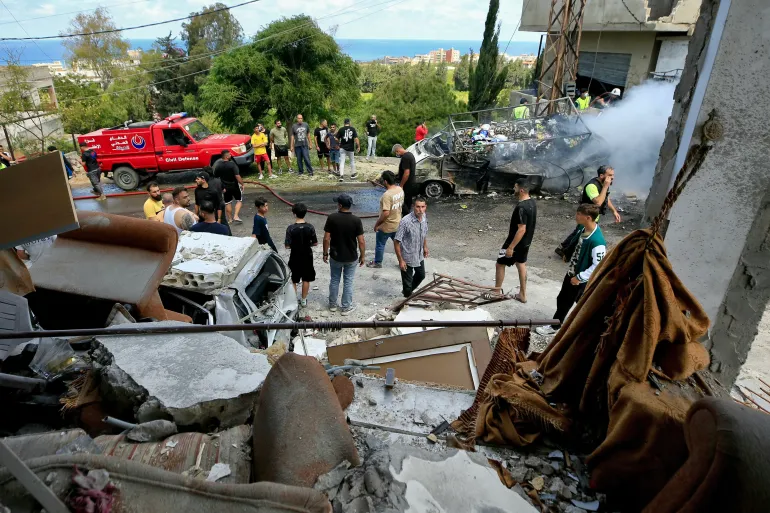
In Tyre, southern Lebanon's largest city, residents harbor deep suspicions about the truce's viability.[3] They perceive the ceasefire as a fleeting pause, fearing an imminent return to war between Israeli forces and Hezbollah, particularly with its expiration set for Sunday.[3] This sentiment is captured in local views that Israel's objective is to instill terror in their hearts.[3]
These perspectives reflect lived experiences in a high-conflict zone. Tyre's position makes it a frontline for tensions, where daily life intersects with military activities.[3] Residents' fears are not abstract; they stem from the truce's perceived fragility and historical patterns of escalation.[3] The quote about filling hearts with terror suggests a psychological dimension to the conflict, where uncertainty amplifies distress.[3]
This local lens provides insight into the ceasefire's reception on the ground. While official reports note partial displacement reductions,[5] Tyre's voices highlight emotional and strategic mistrust.[3] As the largest urban center in the south, Tyre's concerns may echo across other areas, influencing community resilience and aid uptake.[3] The impending Sunday expiration looms large, fueling preparations for potential renewed fighting.[3] These perspectives ground the broader narrative, showing how policy-level truces translate—or fail to—into security for ordinary people.[3]
Military Developments and Border Control
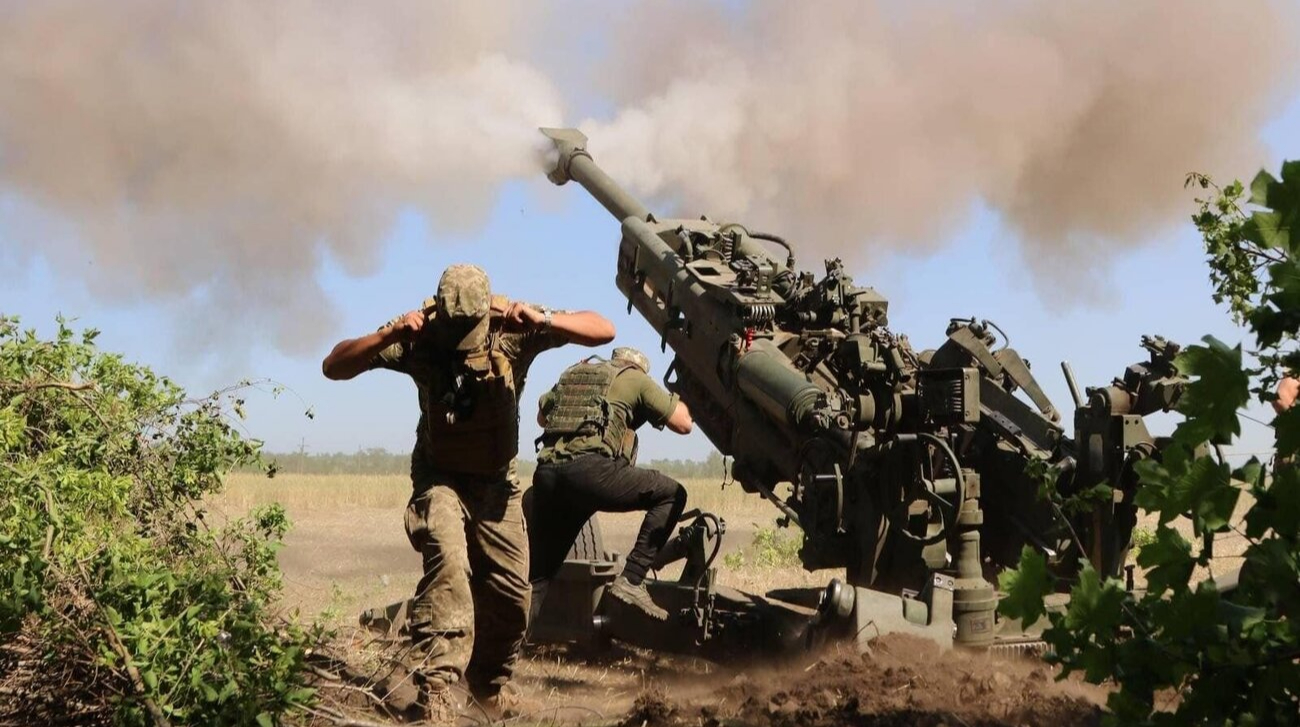
Israeli forces have expanded their occupation of south Lebanon border villages since the ceasefire took effect at the end of last week.[4] Military sources report this as a deliberate extension of control in these strategic areas.[4] Such movements indicate active operations continuing under the truce framework, altering territorial dynamics along the border.[4]
Border villages, critical for security postures, have seen deepened Israeli presence post-ceasefire.[4] This expansion follows the truce's start, suggesting it has not curtailed military positioning.[4] The implications for local populations include sustained restrictions on movement and access, mirroring UN-noted barriers in 74 southern localities.[5]
These developments contribute to the overall instability. By occupying additional villages, Israeli forces consolidate influence in contested zones, potentially complicating de-escalation.[4] Military sources' confirmation lends credibility to the shift, framing it as a response to operational needs.[4] In the context of southern Lebanon's border regions, this expansion heightens tensions, aligning with local fears in places like Tyre.[3] The ceasefire's 10-day span appears insufficient to pause such advancements, pointing to enduring strategic rivalries.[4][5]
What to watch next: With the 10-day ceasefire nearing expiration on Sunday, fears of renewed hostilities between Israeli forces and Hezbollah persist among southern Lebanon residents.[3] Ongoing military presence continues to restrict returns to 74 southern localities, sustaining displacement for 117,420 people.[5] Israeli expansion in border villages may further test truce compliance.[4]