
War in Ukraine: Zelensky Rejects 'Donnyland' Proposal for Donbas
In the ongoing war in Ukraine, President Volodymyr Zelensky has firmly rejected a proposal dubbed 'Donnyland' for the Donbas region, declaring it is "Not Putinland."[1] This statement underscores Ukraine's steadfast opposition to any arrangement perceived as conceding territory to Russian influence amid intensified military pressures.
Zelensky's Rejection of Donbas Proposal
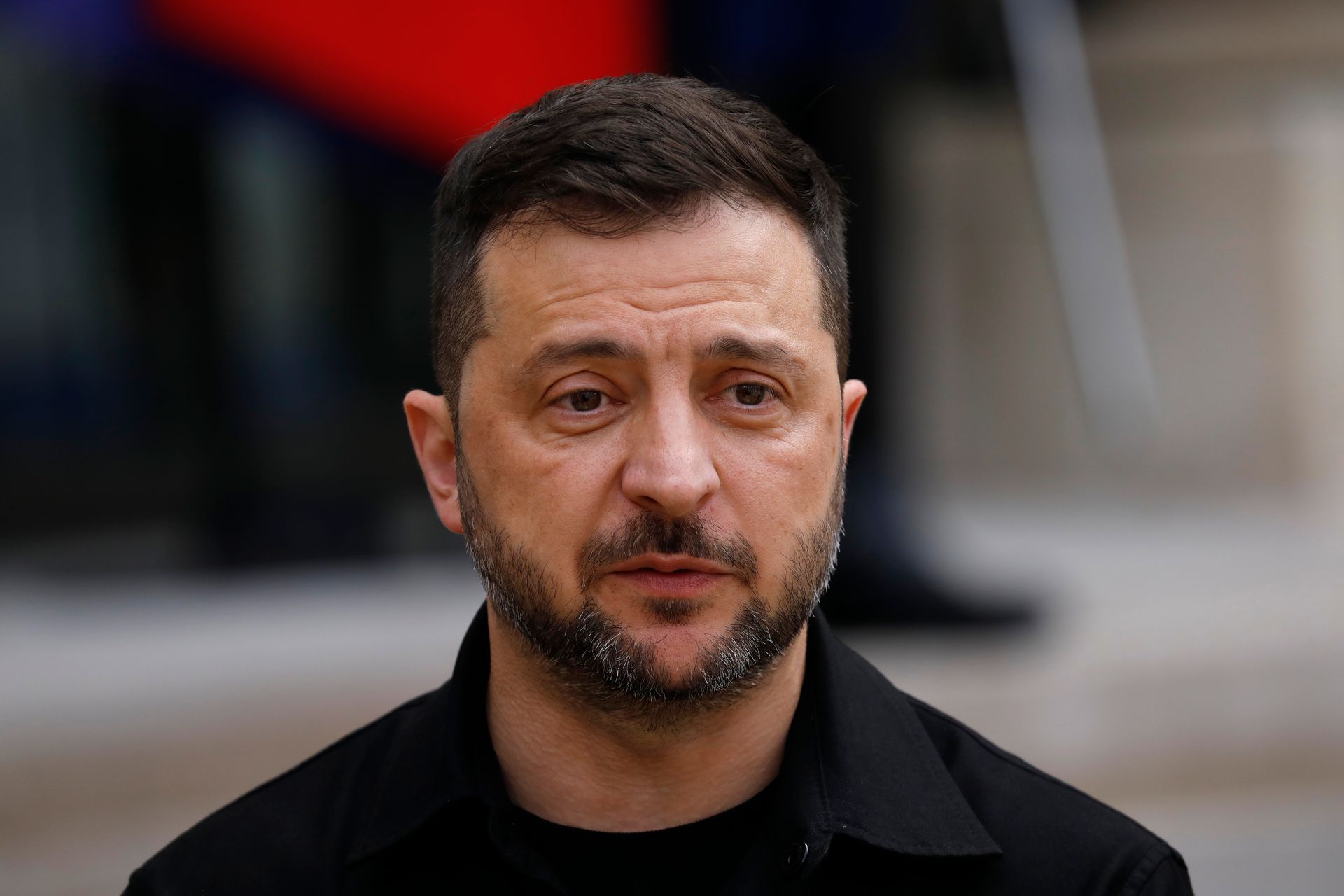
Ukrainian President Volodymyr Zelensky has directly addressed and dismissed a proposal referred to as 'Donnyland' for the Donbas region, emphasizing that it equates to "Not Putinland."[1] This pushback comes at a critical juncture in the war in Ukraine, where territorial integrity remains a core issue for Kyiv. The 'Donnyland' idea, as highlighted in recent reporting, suggests a framework that Zelensky views as unacceptable, potentially allowing Russian dominance in the eastern Donbas area.[1] Zelensky's rhetoric frames the proposal not as a neutral administrative solution but as a veiled extension of Russian control, akin to rebranding occupied territories under Moscow's sway. This rejection aligns with Ukraine's broader diplomatic stance, refusing any concessions that could legitimize Russia's annexation efforts in Donbas since the conflict's escalation. By invoking "Not Putinland," Zelensky signals to both domestic audiences and international partners that Ukraine will not entertain partitions that undermine its sovereignty.[1] The statement, covered prominently in updates from the Kyiv Independent, reflects ongoing tensions over peace initiatives that fail to prioritize full Ukrainian control.[1] In the context of protracted negotiations, Zelensky's comments serve as a preemptive deterrent against similar proposals gaining traction, reinforcing Kyiv's red lines on Donbas governance and security arrangements.[1]
Concerns Over Air Defence Shortages
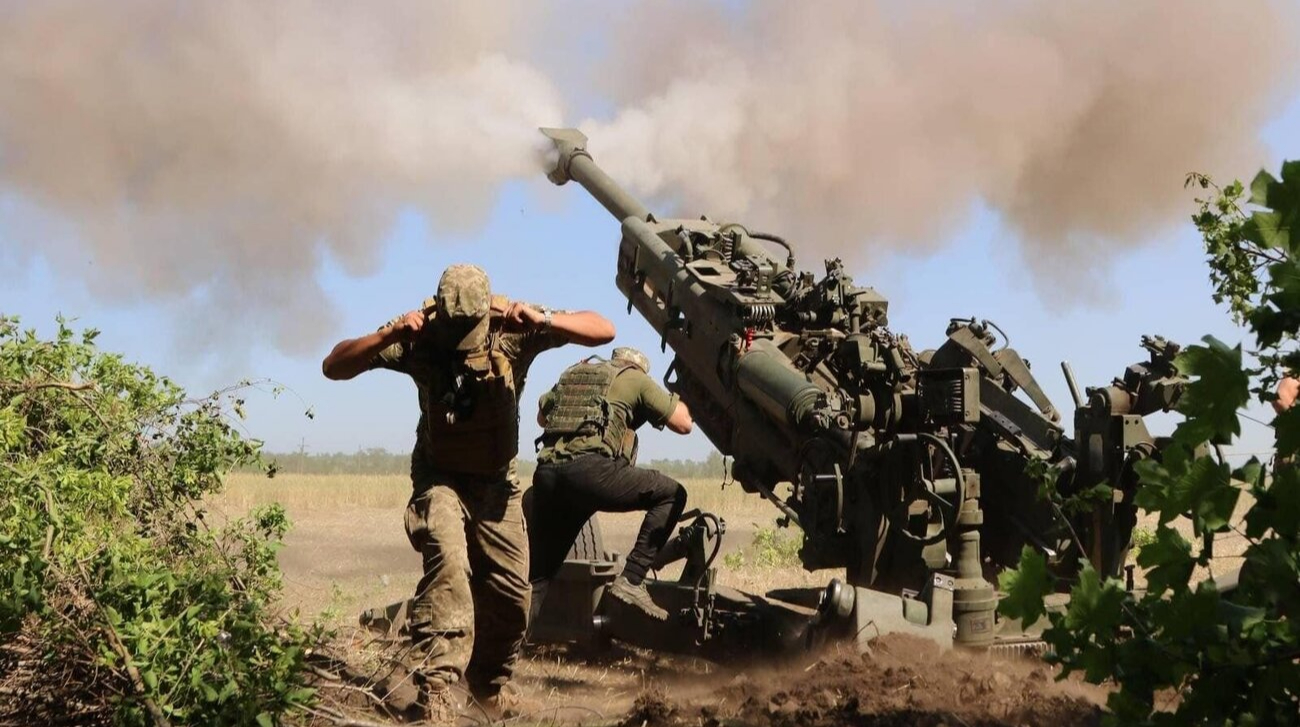
President Zelensky has issued stark warnings about Ukraine's air defence capabilities, stating that interceptor missiles could deplete in any given week based on the intensity of Russian attacks.[2] This revelation highlights a precarious vulnerability in Ukraine's defensive posture against aerial threats, including drones, missiles, and ballistic strikes that have defined much of the war's dynamics. Zelensky noted that Ukraine currently lacks sufficient air defence systems and the missiles required to operate them effectively, leaving populated areas and infrastructure at heightened risk.[2] He described incoming supplies as perpetually "on the way," underscoring chronic delays in Western aid deliveries that exacerbate shortages during peak Russian offensives.[2] In practical terms, this means that sustained high-intensity barrages could overwhelm Ukraine's Patriot systems, S-300 batteries, and other interceptors, potentially leading to gaps in protection over key cities like Kyiv, Kharkiv, and Odesa. Zelensky's assessment draws from real-time battlefield data, where Russian forces have ramped up air campaigns to test Ukrainian resilience. Without immediate resupplies, the president implied, civilian casualties and damage to energy infrastructure could surge, as seen in previous winter assaults. This concern is not abstract; it ties directly to the war's attritional nature, where air superiority remains elusive for Ukraine.[2] Zelensky's public disclosure aims to galvanize allies into accelerating shipments, framing the missile shortage as an existential threat that demands urgent prioritization over other global commitments.
Impact of the Iran War on Ukraine Talks
The ongoing war in Iran has significantly diverted international attention from Russia's aggression against Ukraine, according to President Zelensky.[3] Zelensky acknowledged this shift explicitly, pointing out how global focus on Middle Eastern escalations risks sidelining diplomatic efforts to end the European conflict.[3] He warned of a "serious risk" that initiatives to halt fighting in Ukraine might not resume until the Iran conflict resolves, potentially extending the war by months or years.[3] This distraction manifests in strained resources for NATO allies, media coverage, and diplomatic bandwidth, all of which Ukraine relies upon for sustained support. Zelensky stressed that talks on Ukraine "can't wait" for the Iran war to conclude, urging immediate engagement to prevent further erosion of momentum.[3] In the broader geopolitical landscape, this competition for attention complicates Ukraine's push for security guarantees and reconstruction aid, as world leaders grapple with multiple hotspots. Zelensky's comments, reported by Ukrainska Pravda, reflect frustration with how Iran's involvement—whether through proxy conflicts or direct confrontations—eclipses Ukraine's plight despite the latter's scale in terms of displacement and destruction.[3] By calling for parallel tracks, Zelensky advocates for a multilateral approach where Ukraine's negotiations proceed independently, avoiding linkage to distant theaters that could prolong Russian advances.
Broader Context of Ukraine's Defense Needs
Ukraine faces multifaceted military and diplomatic challenges, as evidenced by President Zelensky's recent statements across key fronts.[1][2][3] On the territorial front, the rejection of the 'Donnyland' proposal for Donbas illustrates Kyiv's refusal to accept Russian-favored partitions, maintaining that any solution must reject Putinland-like dominance.[1] Militarily, shortages in air defence systems and interceptor missiles compound vulnerabilities, with Zelensky warning of potential exhaustion amid variable Russian attack intensities.[2] Diplomatically, the Iran war's diversion of attention poses a risk to timely talks, as efforts to stop the fighting could stall until that conflict ebbs.[3] Collectively, these elements paint a picture of a nation under duress, balancing immediate survival needs with long-term sovereignty goals. Air defence gaps, for instance, not only threaten lives but also economic stability, as repeated strikes on grids have shown.[2] The Donbas stance reinforces Ukraine's maximalist position in negotiations, potentially prolonging the war but preserving unity.[1] Meanwhile, the Iran factor introduces unpredictability, where global attention deficits could weaken sanctions enforcement or aid flows.[3] Zelensky's integrated messaging—rejection, warnings, and urgency—serves to rally support, emphasizing that delays in any domain amplify risks across all. This context underscores Ukraine's dependence on timely, robust allied backing to counter Russia's multi-domain aggression.[1][2][3]
Key Statements from Zelensky
President Zelensky's direct quotations provide unfiltered insight into Ukraine's strategic mindset. On the Donbas proposal, he stated it is 'Not Putinland,' a pointed rebuttal to 'Donnyland' suggestions that imply Russian oversight.[1] Regarding air defences, Zelensky remarked, "They are always on the way," while warning that "air defence missiles may run out any week" depending on Russian attack ferocity, and affirmed Ukraine "lacks air defence systems and missiles for them."[2] On international dynamics, he noted the Iran war has "diverted attention from Russia's aggression against Ukraine," adding there is a "serious risk" that Ukraine talks "may not resume until the conflict in Iran is over," insisting they "can't wait."[3] These statements, drawn from verified reports, encapsulate Zelensky's blend of defiance, caution, and impatience. The 'Not Putinland' quip resonates symbolically, rejecting semantic rebranding of occupation.[1] Missile shortage alerts carry operational weight, signaling to donors the peril of hesitation.[2] Iran-related pleas highlight diplomatic pragmatism, pushing for decoupled agendas.[3] Together, they form a cohesive narrative from Zelensky, communicated via interviews and addresses to maintain pressure on Moscow and its backers while appealing to global conscience.
What to watch next: Monitor incoming air defence missile shipments, as Zelensky warned they could run out amid Russian attacks,[2] alongside progress on Ukraine talks independent of the Iran war's resolution.[3]