
War in Ukraine: Zelensky Rejects 'Donnyland' Donbas Proposal
In the ongoing war in Ukraine, President Volodymyr Zelensky has pushed back on the 'Donnyland' proposal for Donbas, declaring it 'Not Putinland'.[1] This firm rejection underscores Ukraine's stance against proposals perceived as conceding territory to Russian influence amid prolonged conflict.
Zelensky's Response to Donbas Proposal
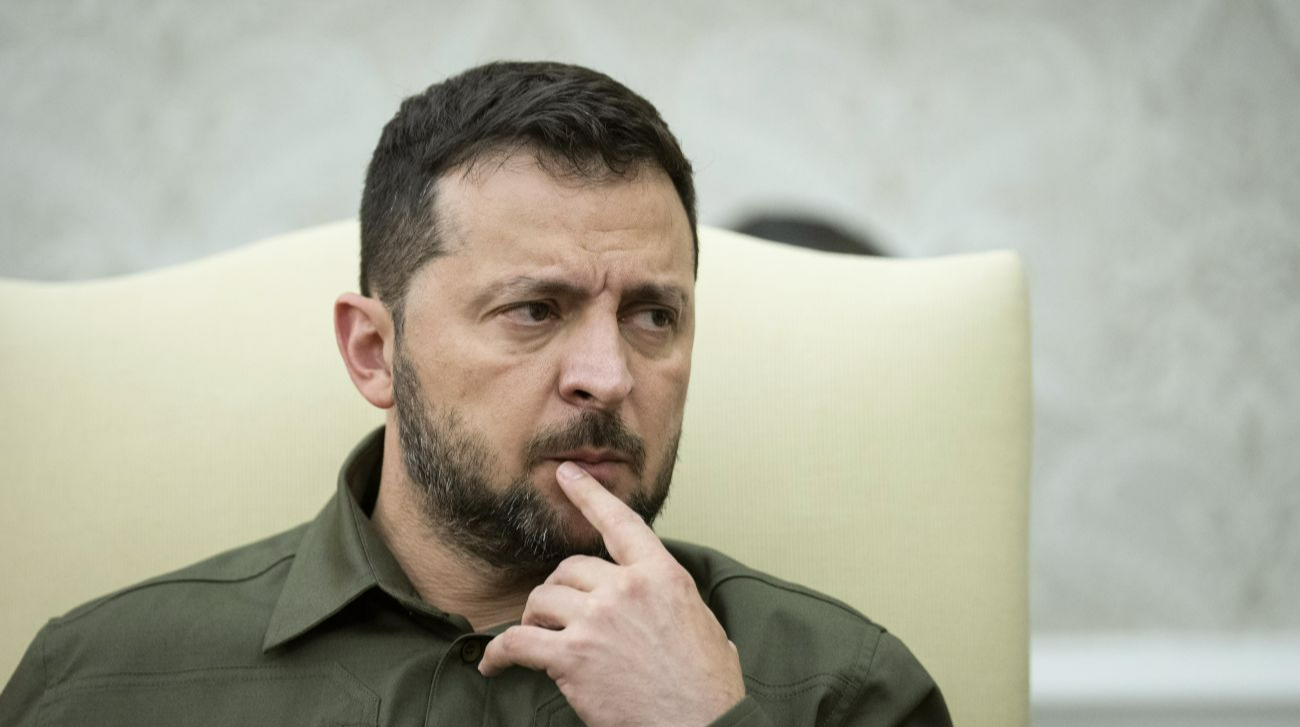
Ukrainian President Volodymyr Zelensky's sharp rebuttal to the 'Donnyland' proposal for the Donbas region highlights a key point of contention in ongoing diplomatic efforts related to the war in Ukraine.[1] By labeling it 'Not Putinland', Zelensky directly challenges any notion of rebranding or autonomy arrangements that could align Donbas with Russian interests, as reported in recent updates from Kyiv Independent.[1] This response comes at a time when discussions around the status of Donbas remain a flashpoint, with Zelensky emphasizing that such ideas do not align with Ukraine's sovereignty.
The 'Donnyland' concept, as pushed back against by Zelensky, appears to suggest a form of special status or separation for Donbas, but Zelensky's declaration frames it explicitly as incompatible with Ukrainian control, equating it to 'Putinland'.[1] This rhetoric serves to rally domestic support and signal to international partners that Ukraine will not entertain proposals seen as rewarding Russian aggression. In the broader context of the war in Ukraine, Zelensky's statement reinforces the position that any resolution must prioritize full Ukrainian territorial integrity without concessions that could legitimize occupied areas.
Reports from Kyiv Independent detail how Zelensky's pushback is part of the latest developments in the Ukraine war, where such proposals surface periodically in negotiations or media discourse.[1] The repetition of the headline phrasing in coverage—"Ukraine war latest: 'Not Putinland' — Zelensky pushes back on 'Donnyland' Donbas proposal"—indicates the prominence of this moment in current reporting, reflecting Zelensky's proactive engagement on social media or public addresses to counter these ideas swiftly.[1] Implications are significant: rejecting 'Donnyland' closes off certain negotiation pathways, potentially prolonging stalemates but preserving Ukraine's red lines. This stance aligns with Zelensky's consistent messaging throughout the conflict, where Donbas has been a central battleground since 2014, escalating fully into the 2022 invasion.
Furthermore, Zelensky's choice of 'Not Putinland' as a retort carries symbolic weight, distancing Donbas unequivocally from Russian leadership and influence.[1] It serves as a public reminder to allies and adversaries alike that Ukraine views any Russian-backed autonomy schemes as extensions of Putin's control. As the war in Ukraine enters its third year, such declarations help maintain international focus on Ukraine's demands for justice and restoration of borders, even as battlefield dynamics shift.
Warnings on Air Defence Shortages
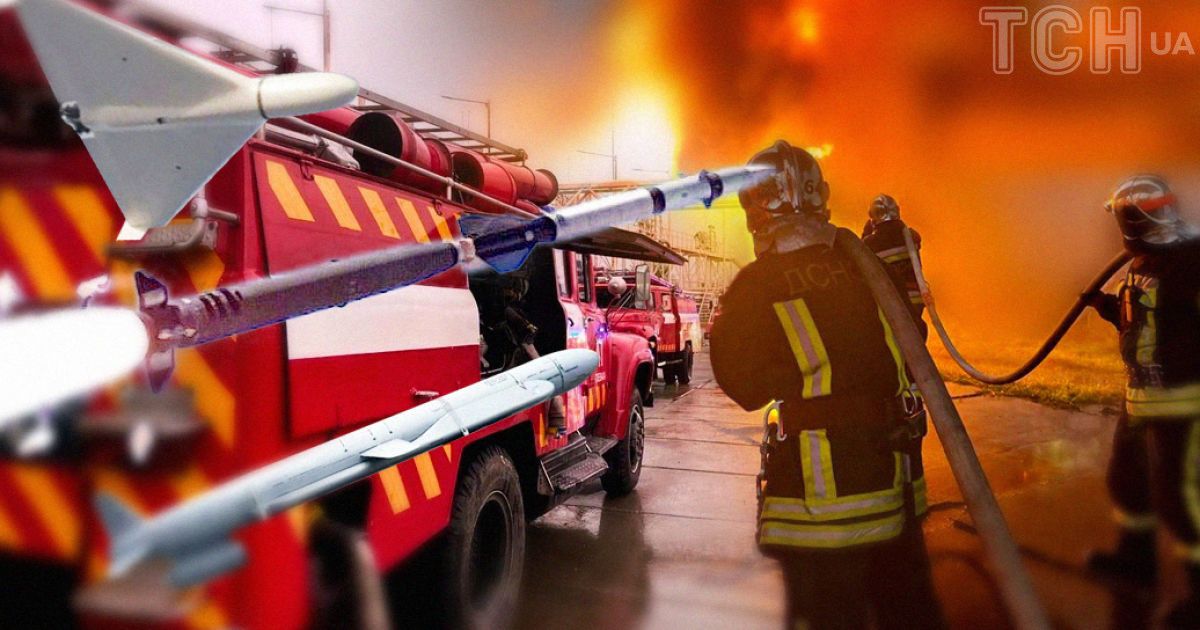
President Volodymyr Zelenskyy has issued stark warnings about Ukraine's air defence capabilities, stating that interceptor missiles could run out in any given week depending on the intensity of Russian attacks.[2] In remarks covered by Ukrainska Pravda, Zelenskyy highlighted the chronic shortage of air defence systems and missiles, noting that supplies "are always on the way," implying delays in promised international aid.[2]
This admission paints a precarious picture for Ukraine's defensive posture in the war in Ukraine, where Russian missile and drone barrages have intensified, testing the limits of available interceptors.[2] Zelenskyy's comments underscore the direct correlation between attack frequency and depletion rates: higher intensity means faster exhaustion of stocks, leaving civilian and military infrastructure vulnerable.[2] The phrase "they are always on the way" captures the frustration with logistics, where commitments from Western partners often face production bottlenecks or delivery hurdles.
Detailing the crisis, Zelenskyy explained that Ukraine lacks sufficient air defence systems overall, with missiles being the critical shortfall.[2] This vulnerability is not abstract; it manifests in real-time decisions during nightly air alerts, where prioritization determines what threats are neutralized. As Russian forces adapt tactics—mixing ballistic missiles, cruise missiles, and Shahed drones—Ukraine's Patriot, NASAMS, and other systems strain under volume, amplifying the risk of breakthroughs.[2] Zelenskyy's public warning serves multiple purposes: pressuring allies for urgent replenishments, alerting the public to potential escalations in damage, and framing the war's material imbalances.
In the context of sustained Russian aerial campaigns targeting energy infrastructure and cities, these shortages could dictate operational tempo.[2] Zelenskyy's forthrightness—acknowledging the "any week" timeline—adds urgency, signaling that without accelerated aid, blackouts and casualties could surge as winter approaches. Coverage from Ukrainska Pravda emphasizes this as a pivotal disclosure, reflecting Zelenskyy's strategy of transparency to galvanize support amid war fatigue in donor nations.[2]
Impact of Iran War on Ukraine Talks
Ukrainian President Volodymyr Zelenskyy has acknowledged that the war in Iran has diverted international attention from Russia's aggression against Ukraine, creating a serious risk for stalled peace efforts.[3] In statements reported by Ukrainska Pravda, Zelenskyy warned that talks to stop the fighting in Ukraine may not resume until the Iran conflict concludes.[3]
This diversion of focus complicates Ukraine's diplomatic landscape, as global media and leaders shift priorities to Middle Eastern escalations, sidelining the European theater.[3] Zelenskyy's observation points to a zero-sum dynamic in international bandwidth: resources, rhetoric, and resolutions for Ukraine compete with those for Iran. He explicitly stated the peril—that efforts to halt Russian advances might pause indefinitely, allowing Moscow to consolidate gains unchecked.[3]
The interconnection between conflicts is stark: while Ukraine battles for survival, the Iran war—potentially involving Israel, proxies, and regional powers—captures headlines, diluting Ukraine's advocacy.[3] Zelenskyy's comments imply that without parallel tracks, the window for meaningful negotiations narrows, as fatigue sets in and Russian positions harden. This risk is "serious," per Zelenskyy, because delays perpetuate battlefield losses and humanitarian crises in Ukraine.[3]
Ukrainska Pravda's reporting frames this as a candid assessment from Zelenskyy, urging sustained multilateral engagement despite distractions.[3] In practice, this means Ukraine must navigate reduced visibility at forums like the UN or G7, where Iran dominates agendas. Zelenskyy's call rejects a sequential approach—Ukraine cannot "wait"—emphasizing simultaneous attention to multiple global threats.
Summary of Key Developments
Zelenskyy's recent statements weave together critical threads of the war in Ukraine: rejection of the 'Donnyland' Donbas proposal as 'Not Putinland',[1] dire warnings on air defence missile shortages that could deplete weekly,[2] and concerns over the Iran war diverting attention, risking stalled talks.[3] Collectively, these remarks from Kyiv Independent and Ukrainska Pravda illustrate Zelenskyy's multifaceted strategy—defiant on territory, urgent on supplies, proactive on diplomacy.[1][2][3]
The Donbas pushback reinforces non-negotiable sovereignty,[1] while air defence alerts highlight material dependencies on allies.[2] Iran's shadow adds a layer of global realpolitik, where Ukraine's plight competes for priority.[3] Together, they signal escalating pressures: intensified Russian strikes test defenses,[2] territorial schemes test resolve,[1] and external wars test endurance.[3]
These developments, reported across sources, portray a president balancing candor with calls to action, ensuring Ukraine remains central amid distractions.
What to watch next: Monitor incoming air defence missiles, as Zelenskyy noted supplies "are always on the way" but could run out any week,[2] alongside any resumption of Ukraine talks post-Iran developments, given the serious risk of further delays.[3]