
War in Ukraine: Russia Plans Seven Large-Scale Strikes Per Month
Russia is preparing to carry out seven large-scale strikes on Ukraine per month, according to Ukrainian intelligence as reported by Ukraine's Foreign Minister Andrii Sybiha.[3] In the war in Ukraine, this development signals a potential intensification of military actions, with Ukrainian assessments pointing to an increase in the frequency of such large-scale attacks.[3] Meanwhile, Ukraine is bracing for summer water outages following a winter marked by widespread blackouts, which have been attributed to Russian actions.[1] Key developments in the Russia-Ukraine war took place on April 17, 2026, as captured in detailed reports.[2]
Overview of Planned Russian Military Actions
The intelligence assessments shared by Ukrainian officials provide a clear picture of Russia's anticipated military posture in the coming period. Ukraine's Foreign Minister Andrii Sybiha has explicitly stated that, based on Ukrainian intelligence, Russia will soon transition to conducting large-scale attacks on Ukraine at a rate of seven per month.[3] This planned frequency marks a notable shift, as it reflects an escalation in the operational tempo of Russian strikes, moving beyond previous patterns to a more sustained and regular cadence of major assaults.[3]
Such large-scale strikes typically involve coordinated barrages targeting critical infrastructure, population centers, and military positions across Ukraine, drawing from the established dynamics of the conflict. The revelation from Sybiha underscores the proactive nature of Ukrainian intelligence efforts in monitoring Russian preparations, allowing for preemptive measures in defense planning.[3] This intelligence is not speculative but rooted in observed preparations, positioning it as a cornerstone for Ukraine's strategic response in the near term.[3]
The move to seven strikes per month suggests a deliberate strategy to maintain pressure on Ukrainian defenses throughout the summer months, potentially aligning with seasonal factors such as improved weather conditions for air operations. Ukrainian authorities have highlighted this as an immediate threat, prompting heightened vigilance and resource allocation to air defense systems and civilian protection protocols.[3] The Foreign Minister's public disclosure serves multiple purposes: informing international partners, rallying domestic resilience, and signaling to Russia that such plans are anticipated and will be countered.[3]
In the broader operational context, this frequency increase could strain Ukraine's interception capabilities, given the resource-intensive nature of defending against massive missile and drone salvos. Historical precedents within the war in Ukraine show that large-scale strikes have often aimed to overwhelm defenses through sheer volume, and the projected monthly rate amplifies this challenge.[3] Ukrainian intelligence's confidence in this forecast stems from intercepted communications, satellite imagery, and other indicators of Russian buildup, though specifics remain classified.[3] As preparations advance, the focus remains on mitigating the human and material costs of these anticipated operations.
Recent Developments in the Conflict
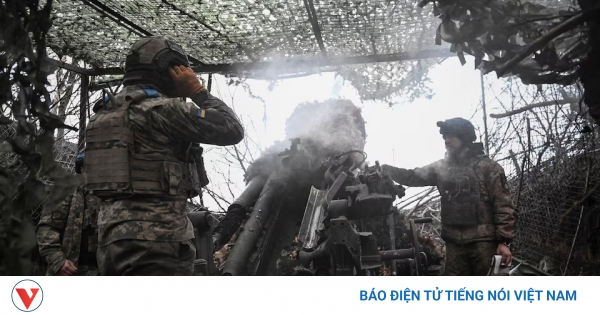
Ukrainian soldiers on the battlefield during the Russia-Ukraine war on April 17, 2026. — Source: gdelt
Key developments in the Russia-Ukraine war unfolded on April 17, 2026, as documented in comprehensive reports monitoring the conflict's progression.[2] This specific date marks a point of notable activity, with reports capturing the main diễn biến—evolving situations—in the ongoing military engagements between Russia and Ukraine.[2] Published with a timestamp of 20260417T010000Z, these accounts provide a snapshot of the dynamic frontline and rear-area actions that characterize the war.[2]
The emphasis on April 17 highlights how daily or near-real-time tracking has become essential in chronicling the war's trajectory, where incremental shifts can influence broader strategic outcomes.[2] Reports from this period likely encompass a range of military maneuvers, including advances, defensive stands, and aerial engagements, though the core documentation centers on the principal events shaping that day's conflict landscape.[2] In the context of the wider war in Ukraine, such developments contribute to the cumulative narrative of attrition and adaptation on both sides.[2]
Tracking these events through specialized monitoring like that from GDELT offers an objective lens on the conflict's pulse, aggregating data from global sources to outline chính tình hình— the primary situation—without bias.[2] On April 17, 2026, the reported diễn biến chính would have included updates on troop movements, strikes, or diplomatic undercurrents, reinforcing the war's persistent intensity.[2] This documentation aids analysts in identifying patterns, such as correlations between ground actions and aerial campaigns, which align with intelligence on upcoming large-scale strikes.[2]
The significance of these daily reports cannot be overstated, as they form the foundational data for assessing momentum in the war. For instance, events on this date may have presaged the preparations for heightened strike frequencies, providing contextual continuity to intelligence warnings.[2] As the conflict enters its extended phase, such granular records ensure that the international community remains informed on the evolving threats and responses in Ukraine.[2]
Impact on Ukrainian Infrastructure
Ukraine's infrastructure faces compounding challenges as a result of the ongoing conflict, with a winter of blackouts now giving way to preparations for summer water outages.[1] Reports from the Kyiv Independent frame this sequence as a direct consequence of Russian actions, labeling the blackouts as a precursor to broader disruptions in essential services.[1] The title "Russia’s next war crime: After a winter of blackouts, Ukraine braces for summer water outages" encapsulates the severity, repeated for emphasis in coverage.[1]
Winter blackouts stemmed from systematic damage to energy grids, leaving millions without power amid freezing temperatures and complicating daily life and military logistics.[1] Now, as seasons shift, the focus turns to water supply systems, which have similarly been targeted or collateralized in strikes, risking shortages during peak demand periods.[1] This transition from power to water vulnerabilities illustrates the cascading effects of infrastructure degradation in the war in Ukraine.[1]
Ukrainian authorities and experts are bracing for these outages, implementing contingency measures such as rationing, alternative sourcing, and repairs under fire.[1] The attribution to Russian actions is explicit, with strikes designed to erode civilian morale and economic functionality by hitting foundational utilities.[1] Summer water outages could exacerbate health risks, agricultural losses, and urban livability, compounding the humanitarian toll.[1]
The Kyiv Independent's reporting underscores the strategic intent behind such impacts, positioning infrastructure as a primary vector for pressure in the conflict.[1] Repeated emphasis on the phrase highlights the urgency, as Ukraine mobilizes international aid for generators, desalination units, and grid fortifications.[1] These developments reflect the war's evolution into a protracted test of resilience, where recovery efforts race against further degradation.[1]
Current Threat Assessment
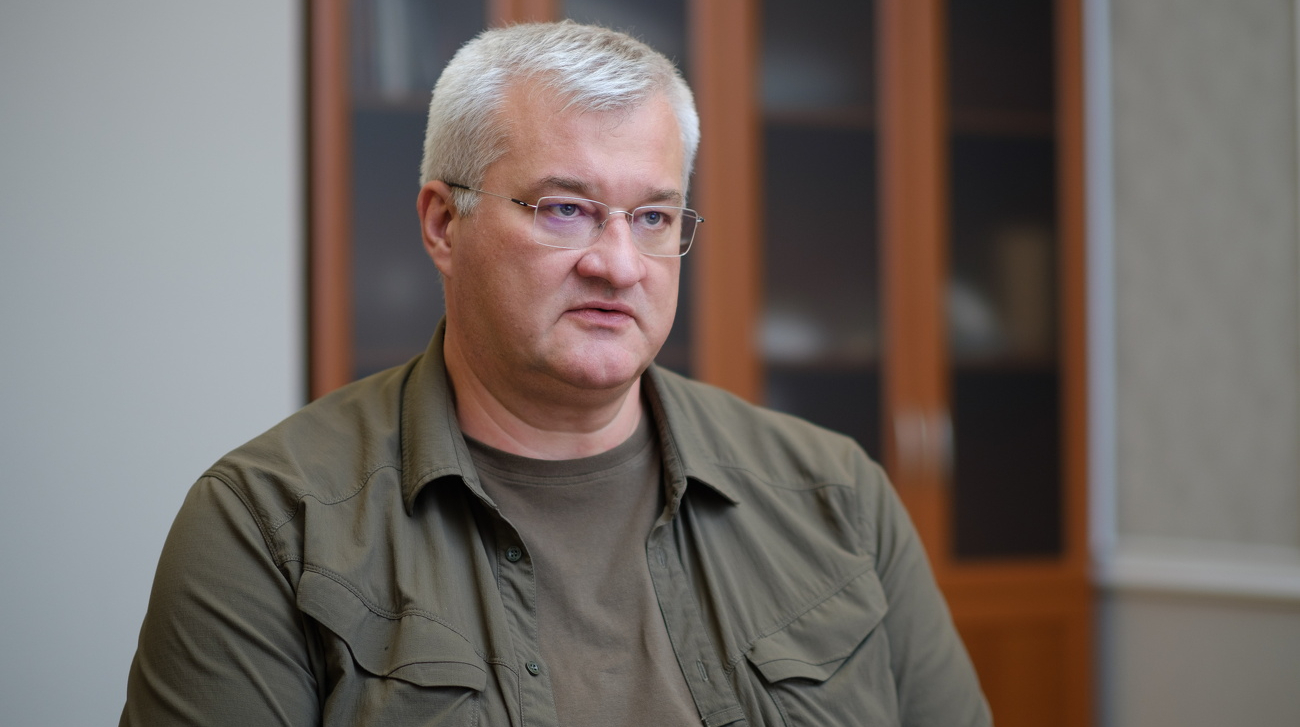
Russia prepares seven large-scale strikes on Ukraine per month. — Source: ukrainskapravda
The current threat landscape in the war in Ukraine combines immediate intelligence on strikes with persistent infrastructure strains, presenting a multifaceted risk profile.[1][3] Ukrainian intelligence, as conveyed by Foreign Minister Andrii Sybiha, assesses that Russia is gearing up for seven large-scale strikes monthly, an uptick that amplifies defensive burdens.[3] This projection is paired with the looming summer water outages post-winter blackouts, both linked to Russian military actions.[1]
Sybiha's statement positions this strike frequency as an imminent shift, with preparations already underway to execute attacks at this intensified rate.[3] Air defenses, civilian shelters, and energy reserves must scale accordingly, as large-scale operations historically involve hundreds of projectiles per wave.[3] Concurrently, infrastructure vulnerabilities—exemplified by blackouts transitioning to water crises—threaten operational continuity.[1]
This dual threat demands integrated assessments, where strike patterns target weakened points like power plants and water facilities.[1][3] Ukrainian bracing measures reflect a holistic view, prioritizing redundancy in utilities and interception rates.[1] The intelligence's specificity on "seven times per month" enables predictive modeling, forecasting peaks that could align with blackouts or outages.[3]
Overall, the assessment paints a picture of sustained aggression, with Russia's plans counterbalanced by Ukraine's adaptive strategies.[1][3] Monitoring these risks remains critical, as realized threats could cascade across sectors, underscoring the need for vigilant preparedness.[1][3]
Broader Context of the War
The broader context of the Russia-Ukraine war integrates planned strikes, recent developments, and infrastructure woes into a narrative of endurance and escalation.[1][2][3] On April 17, 2026, key events documented the conflict's daily grind, setting the stage for intelligence on seven monthly large-scale strikes.[2][3] Foreign Minister Sybiha's disclosure frames this as a strategic pivot, rooted in observed Russian intent.[3]
Infrastructure impacts, from winter blackouts to summer water risks attributed to Russia, exemplify hybrid warfare tactics aimed at long-term debilitation.[1] These elements interconnect: strikes degrade grids, leading to outages that hinder recovery and defense.[1][3] Reports like GDELT's on April 17 provide chronological anchors, illustrating how tactical actions feed into strategic threats.[2]
Ukraine's response—bracing via intelligence sharing and aid appeals—highlights resilience amid attrition.[1][3] The war's trajectory, marked by frequency increases and utility strains, reflects a conflict where momentum hinges on sustaining capabilities.[1][2][3] International awareness, fueled by such reports, supports Ukraine's position against these pressures.[1][2][3]
Key Intelligence and Infrastructure Insights in the War in Ukraine
Drawing from core reports, key insights reveal the war in Ukraine's defining pressures: escalated strike plans, dated developments, and utility crises.[1][2][3] Ukrainian intelligence flags seven large-scale strikes per month as forthcoming, per Sybiha, signaling heightened aggression.[3] April 17, 2026, developments underscore operational continuity.[2] Post-blackout water outages loom as Russian-attributed fallout.[1]
These facts coalesce to depict a war of intensified aerial campaigns and infrastructural siege.[1][3] Intelligence-driven foresight enables mitigation, while historical patterns inform expectations.[2][3] This synthesis aids in grasping the conflict's layered challenges.[1][2][3]
What to watch next: Monitor the rollout of Russia's planned seven large-scale strikes per month, as indicated by Ukrainian intelligence,[3] alongside Ukraine's management of summer water outages following winter blackouts.[1] Developments akin to those on April 17, 2026, will provide further indicators of conflict evolution.[2]