
War in Ukraine: Over 7,000 North Korean Troops Killed or Wounded
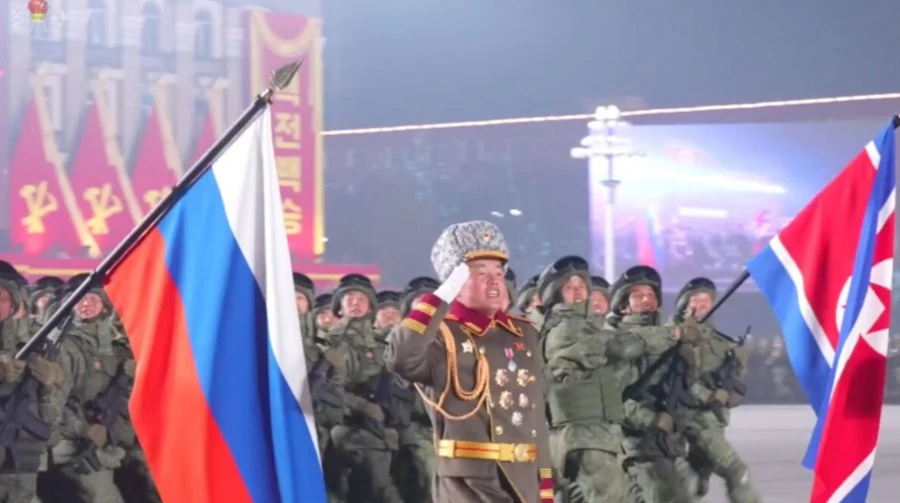
In the ongoing war in Ukraine, reports indicate that over 7,000 North Korean troops have been killed or wounded while supporting Russia's military efforts.[1] This figure underscores the extent of foreign involvement on the Russian side, with a precise total of 7,058 North Korean servicemen reported as casualties.[1] These developments come alongside other updates on Ukrainian defensive capabilities and the status of captured foreign fighters.
North Korean Troop Casualties
The involvement of North Korean troops in Russia's war against Ukraine has resulted in significant losses, with over 7,000 personnel killed or wounded.[1] According to detailed reports, the exact tally stands at 7,058 North Korean servicemen who have suffered casualties in the conflict.[1] This number represents a substantial commitment of forces from North Korea, highlighting the depth of international support provided to Russian operations on Ukrainian soil.
These casualties reflect the intense combat conditions faced by deployed North Korean units, which have been integrated into frontline activities.[1] The figure of 7,058 encompasses both fatalities and injuries sustained during engagements in the war in Ukraine.[1] Such losses indicate a high operational tempo and exposure to Ukrainian defensive measures, including artillery, drones, and infantry counteractions. The deployment of these troops marks a notable escalation in foreign military participation, as North Korea's contribution has now come at a considerable human cost.[1]
Analyzing the scale, the over 7,000 casualties suggest that North Korean forces have been actively engaged in sustained combat roles, potentially in high-risk areas such as Kursk or other contested regions.[1] This level of attrition could impact North Korea's own military readiness, though the precise distribution between killed and wounded remains tied directly to the reported total.[1] Ukrainian intelligence and military sources have tracked these deployments, confirming the presence and subsequent losses of these servicemen.[1] The revelation of such numbers serves as a benchmark for assessing the effectiveness of Ukraine's resistance against coalition forces backed by Pyongyang.
Furthermore, the 7,058 figure provides a snapshot of the toll exacted in this phase of the war in Ukraine, where foreign troops have faced modern battlefield challenges including precision strikes and electronic warfare.[1] This casualty count not only quantifies the price paid by North Korean contingents but also illustrates the broader pattern of external reinforcements bolstering Russian lines, met with determined Ukrainian pushback.[1] As these troops continue to operate under Russian command, their losses contribute to the cumulative strain on Moscow's manpower resources.[1]
Ukrainian Defense Developments
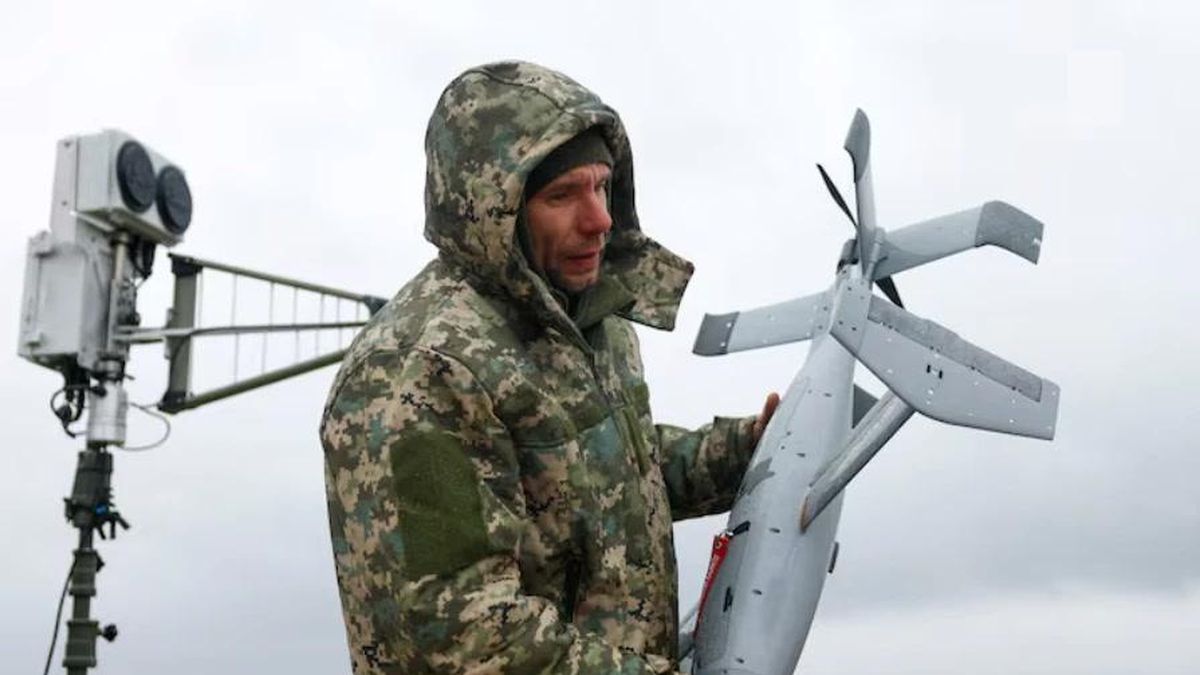
Ukraine may have solved its Russian Kinzhal missile problem, marking a potential turning point in countering one of Russia's most advanced hypersonic weapons.[2] This development suggests advancements in Ukrainian air defense systems or interception technologies capable of neutralizing the Kinzhal threats that have targeted infrastructure and military positions throughout the war.[2]
The Kinzhal missile, known for its speed and maneuverability, has posed a persistent challenge since early in the conflict, with Russia deploying it to penetrate Ukrainian airspace defenses.[2] Reports indicating that Ukraine may have addressed this issue point to successful interceptions or mitigation strategies, possibly involving Western-supplied systems like Patriot batteries or indigenous innovations.[2] Such a breakthrough would enhance Ukraine's ability to protect key assets, reducing the vulnerability to these air-launched ballistic missiles.
In practical terms, solving the Kinzhal problem could mean higher interception rates, forcing Russia to reconsider its missile employment tactics.[2] This evolution in defensive capabilities aligns with Ukraine's ongoing adaptations to Russian aerial barrages, where Kinzhal strikes have aimed to degrade energy grids and logistics.[2] The uncertainty captured in "may have solved" reflects ongoing assessments, but the implication is clear: Ukraine's defenses are showing resilience against high-end threats.[2]
This potential resolution extends the operational lifespan of Ukrainian countermeasures, allowing for more efficient resource allocation amid frequent missile salvos.[2] As the war progresses, the ability to neutralize Kinzhal missiles would diminish Russia's coercive leverage through long-range strikes, bolstering morale and strategic depth on the Ukrainian side.[2]
Captured Foreign Fighters
Citizens of 48 countries who fought for Russia are held in Ukrainian captivity, providing insight into the diverse international makeup of forces opposing Ukraine.[3] These individuals, who fought on the side of Russia, are currently detained by Ukrainian authorities, representing a broad spectrum of nationalities drawn into the conflict.[3]
The involvement of fighters from 48 countries underscores the global recruitment efforts by Russia to sustain its military campaign.[3] Ukrainian captivity of these personnel offers leverage in potential prisoner exchanges and highlights the multinational nature of the opposition.[3] This group includes mercenaries, volunteers, and possibly conscripts from various regions, all captured during operations across the front lines.[3]
Holding citizens from such a wide array of nations—48 in total—demonstrates Ukraine's success in neutralizing foreign elements integrated into Russian units.[3] These captives are managed under international humanitarian standards, with opportunities for repatriation or swaps negotiated through established channels.[3] The diversity reflects recruitment drives targeting regions sympathetic to or incentivized by Russian overtures, from Europe to Asia, Africa, and beyond.[3]
This situation adds layers to the prisoner dynamics of the war, where foreign fighters' captures can influence diplomatic relations and propaganda narratives.[3] Ukraine's control over 48 countries' citizens in captivity serves as a reminder of the conflict's international dimensions, with implications for future accountability and exchanges.[3]
Overview of Current Events
The current landscape of Russia's war against Ukraine features intertwined developments: heavy North Korean casualties, progress against Kinzhal missiles, and a multinational roster of captured fighters.[1][2][3] Over 7,000 North Korean troops—precisely 7,058—have been killed or wounded, evidencing Pyongyang's costly stake in the fighting.[1] Concurrently, Ukraine may have solved its Russian Kinzhal missile problem, signaling defensive maturation.[2]
Adding to this, citizens of 48 countries who fought for Russia are now held in Ukrainian captivity, capturing the breadth of foreign participation.[3] These elements collectively paint a picture of a war in Ukraine drawing in distant allies for Russia while Ukraine adapts and captures opposition forces.[1][2][3]
North Korean losses at 7,058 highlight the risks of deploying expeditionary forces into intense combat zones.[1] The potential Kinzhal solution empowers Ukraine's skies, countering a key Russian asymmetric tool.[2] Meanwhile, the 48-country captive pool from pro-Russian ranks amplifies the conflict's global footprint.[3]
Integrating these reports, the war in Ukraine shows Russia relying on external manpower amid high attrition, met by Ukrainian innovations and battlefield gains.[1][2][3] This overview captures the fluidity: North Korean deployments yielding over 7,000 casualties, missile threats possibly neutralized, and foreign fighters from dozens of nations in custody.[1][2][3]
What to watch next
Monitor updates on North Korean troop deployments and their casualty figures, which have reached 7,058 killed or wounded,[1] alongside confirmation of Ukraine's handling of Russian Kinzhal missiles[2] and the status of captives from 48 countries.[3]