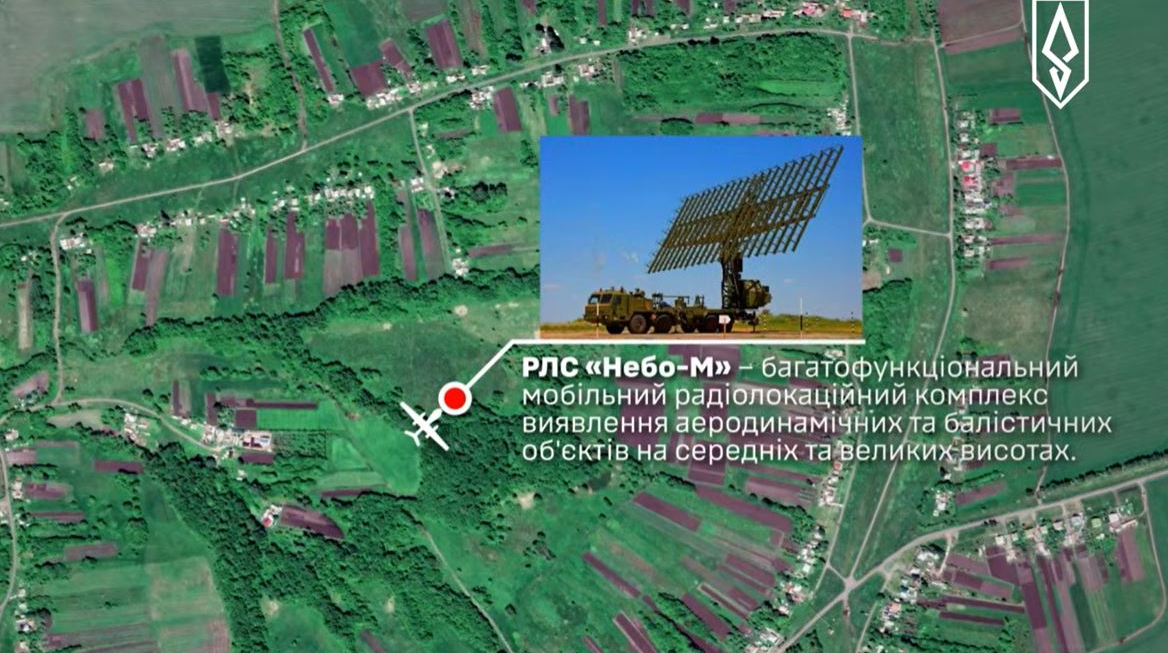

Strike on Russia: Ukrainian Forces Destroy $100 Million Radar System
Ukraine has conducted a notable strike on Russia by destroying a Russian Nebo-M radar system valued at US$100 million in Belgorod Oblast, as crews from the 429th Achilles Brigade carried out the operation.[1] This incident forms part of a series of Ukrainian military actions, including drone strikes on Russian oil facilities in Perm and Orsk that followed previous attacks on Tuapse.[4] President Volodymyr Zelenskiy has stated that Ukraine will continue to increase the range of its strikes on Russia, sharing footage of an attack targeting a location more than 1,500 km away.[3] In response, Russian forces have struck energy infrastructure across six Ukrainian oblasts, leading to power outages reported as of the morning of 29 April.[5]
Recent Ukrainian Strikes on Russian Targets
Ukraine's military has executed precise operations against key Russian assets in recent days, with a prominent example being the destruction of a Nebo-M radar system in Belgorod Oblast. Crews from the 429th Achilles Brigade targeted and successfully destroyed this radar, which is valued at US$100 million, as confirmed through video footage released by Ukrainian sources.[1] The Nebo-M radar represents a significant component of Russian air defense capabilities, and its elimination in Belgorod Oblast, a region bordering Ukraine, underscores the brigade's operational reach into Russian territory close to the front lines.
Complementing this action, Ukrainian drones have struck Russian oil facilities in Perm and Orsk, marking a follow-up to earlier attacks on the Tuapse oil facility.[4] These drone operations demonstrate Ukraine's ability to project force deep into Russian regions, targeting infrastructure critical to Russia's energy sector. Perm and Orsk are located far from the conflict's primary zones, highlighting the evolving scope of Ukrainian strikes that extend beyond immediate border areas. The sequence of these attacks—first Tuapse, then Perm and Orsk—indicates a pattern of sustained pressure on Russian energy assets, potentially disrupting operations and logistics.[4] Video evidence and brigade reports provide visual confirmation of the radar's destruction, while announcements from Ukrainian outlets detail the oil facility strikes, emphasizing their strategic intent to impair Russian military support structures.[1][4]
These strikes on Russia reflect a calculated escalation in Ukrainian tactics, focusing on high-value targets like advanced radar systems and vital energy infrastructure. The Achilles Brigade's involvement in the radar operation showcases specialized unit capabilities, while the drone strikes illustrate the integration of unmanned systems for long-range precision.[1][4]
Zelenskiy's Announcement on Strike Expansion
President Volodymyr Zelenskiy has publicly affirmed that Ukraine will persist in extending the range of its strikes on Russia, signaling a deliberate strategy to broaden operational depth. In a statement delivered on Wednesday, Zelenskiy emphasized that "Ukraine would keep increasing the range of its strikes in Russia," accompanied by footage depicting an attack on a target more than 1,500 km (930 miles) distant.[3] This declaration comes amid a noted uptick in Ukrainian attacks inside Russian territory over recent weeks, aimed at neutralizing key assets.
The footage shared by Zelenskiy serves as direct evidence of Ukraine's advancing strike capabilities, reaching distances far beyond traditional frontline engagements. By posting this material, the president not only documented the operation but also framed it within a broader policy of escalation, suggesting future actions will push even further into Russian territory.[3] Zelenskiy's comments position these strikes as a response to ongoing conflict dynamics, with the intent to "knock out" strategic targets, though specifics on future ranges remain tied to this demonstrated 1,500 km threshold.[3]
This announcement reinforces Ukraine's proactive stance, aligning with observed patterns of increased strike frequency and distance. It provides a high-level endorsement of operations like those conducted by the Achilles Brigade and drone units, integrating them into a national military narrative of sustained and expanding pressure.[3]
Context of Reciprocal Military Actions
Russian forces have responded to Ukrainian advances with strikes on Ukrainian energy infrastructure across six oblasts, resulting in widespread power outages. As of the morning of 29 April, these drone and artillery attacks targeted energy facilities, disrupting electricity supply in the affected regions.[5] This reciprocal action highlights the tit-for-tat nature of the conflict, where Ukrainian strikes on Russian targets prompt retaliatory measures against Ukrainian critical infrastructure.
The Russian strikes, reported by Ukrainian sources, have caused immediate impacts, with power outages persisting into the morning hours following the attacks. Spanning six oblasts, these operations indicate a broad geographical response, potentially aimed at undermining civilian and military resilience in Ukraine.[5] Such actions follow a pattern of targeting energy grids, which has been a recurring element in the conflict, exacerbating challenges for affected populations and services.
In the broader exchange, these Russian strikes provide context for Ukraine's operations, illustrating the mutual escalation where each side seeks to degrade the other's capabilities. Ukrainian reports detail the extent of the damage, focusing on the resulting outages as a direct consequence of the infrastructure hits.[5]
Key Incidents and Their Implications
Among the key incidents, the destruction of the Russian Nebo-M radar by the 429th Achilles Brigade stands out, with the US$100 million asset eliminated in Belgorod Oblast via targeted operations supported by video evidence.[1] This strike on Russia removes a critical radar from Russian defenses, potentially creating vulnerabilities in air surveillance near the border.
Simultaneously, Ukrainian drones hit oil facilities in Perm and Orsk, continuing from prior Tuapse attacks, which signals a focused campaign against Russia's energy backbone.[4] President Zelenskiy's confirmation of strikes reaching over 1,500 km further amplifies these events, with his footage and statements underscoring an intent to extend operations deeper into Russia.[3] These actions collectively demonstrate Ukraine's capacity for long-range precision, disrupting radar detection and fuel supplies essential for Russian military logistics.
The implications are evident in the strategic losses: a high-value radar offline hampers Russian situational awareness,[1] while oil facility strikes could strain energy production and exports.[4] Zelenskiy's pledge to increase range points to sustained pressure, potentially forcing Russia to redistribute defenses.[3] Together, these incidents reflect a shift toward deeper incursions, with each success bolstering Ukraine's operational momentum amid reciprocal tensions.
Overview of Affected Areas
The strikes have impacted distinct geographical zones, starting with Belgorod Oblast, where the Nebo-M radar was destroyed by Achilles Brigade crews.[1] This border region positions it as a frontline target, directly adjacent to Ukrainian operations.
Further afield, Perm and Orsk hosted oil facilities struck by Ukrainian drones, locations that underscore the reach into Russia's interior following Tuapse precedents.[4] These areas, distant from the main conflict theater, highlight the expansive scope of drone capabilities.
On the Ukrainian side, Russian strikes hit energy infrastructure in six unspecified oblasts, leading to power outages as of 29 April morning.[5] This wide distribution across regions amplifies the reciprocal impact, affecting multiple population centers.
These locations—Belgorod near the front, Perm and Orsk in the east, and six Ukrainian oblasts—map the conflict's geographical breadth, from border clashes to deep strikes on Russia and broad retaliatory coverage in Ukraine.[1][4][5]
What to watch next includes Ukraine's further extension of strike ranges as stated