
War in the Middle East: US President Trump Unhappy with Iran's Latest Peace Proposal
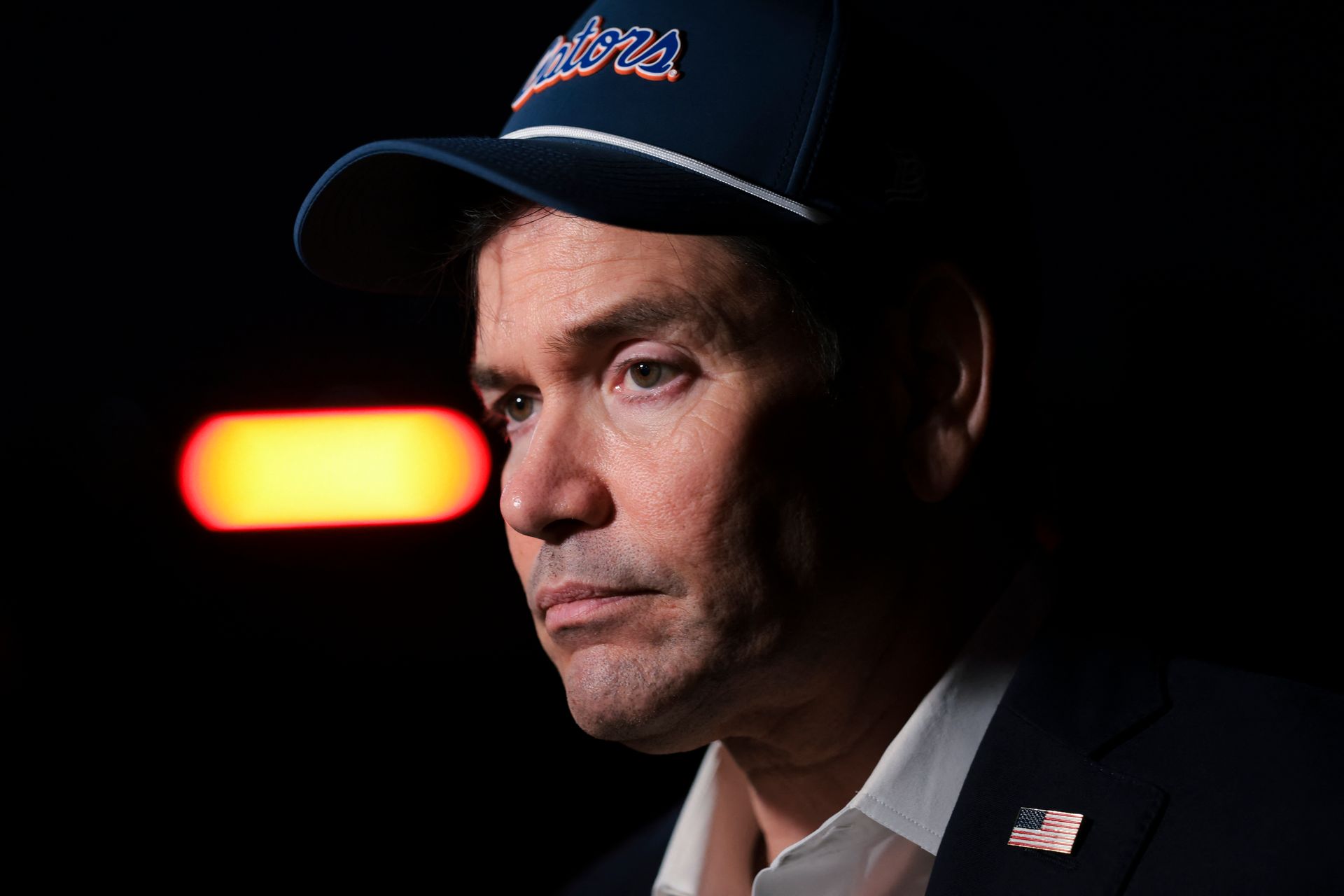
In the ongoing war in the Middle East, US President Donald Trump is unhappy with Iran's latest peace proposal aimed at ending the US-Israeli war against Iran, according to a US official who spoke to Reuters.[2] This development underscores persistent tensions between Washington and Tehran, where Iran's proposal seeks to postpone discussions on its nuclear program until the war concludes and disputes over shipping from the Gulf are resolved.[2] Meanwhile, the two sides remain locked in a standoff over the Strait of Hormuz, a vital chokepoint through which a fifth of the world's traded oil and gas passes during peacetime.[2] Escalating hostilities across the region have exacerbated a dire humanitarian crisis, with 24.6 million forcibly displaced people in affected areas facing significant protection risks and needs.[3]
Latest Diplomatic Developments
The latest diplomatic maneuvers in the war in the Middle East reveal significant friction between the United States and Iran, centered on efforts to broker peace amid active conflict. A US official's statement to Reuters captures the core of the current impasse: President Donald Trump is not satisfied with Iran's most recent peace proposal regarding the conclusion of the US-Israeli war against Iran.[2] This dissatisfaction highlights the challenges in aligning positions when core security concerns remain unaddressed during hostilities.
Washington and Tehran's diplomatic channels, though active, have yielded little progress, as evidenced by the ongoing deadlock. The US position appears firm, with Trump's unhappiness signaling that proposed terms fall short of American and Israeli expectations for immediate accountability on key issues.[2] This exchange occurs against a backdrop of heightened military engagements, where diplomatic overtures must navigate the realities of battlefield dynamics. France 24's live coverage of the Middle East war emphasizes these tensions, framing them as part of broader live updates on negotiations.[2]
The standoff extends beyond the peace proposal itself, incorporating strategic maritime disputes that complicate any path to de-escalation. Reports indicate that both capitals are entrenched, with neither side willing to concede ground without reciprocal actions.[2] This diplomatic freeze perpetuates uncertainty, as officials on both sides assess the viability of further talks. The US official's candid assessment to Reuters provides a rare glimpse into high-level sentiments, suggesting that internal deliberations in Washington view the Iranian offer as insufficiently comprehensive.[2] As these developments unfold, they reflect the intricate interplay of political will, military strategy, and economic stakes in the region.
Further context from ongoing reporting reinforces the stagnation. Liveblogs tracking the war in the Middle East note that such proposals are scrutinized intensely, given their potential to alter the conflict's trajectory.[2] The Trump administration's response, characterized by this reported unhappiness, positions the US to push for revisions, potentially prolonging negotiations. Analysts within diplomatic circles, drawing from these disclosures, observe that trust deficits—built over years of confrontation—hinder breakthroughs.[2] Yet, the mere tabling of a proposal indicates Iran's willingness to engage, albeit on terms that defer contentious matters.
Details of Iran's Peace Proposal
{IMAGE_2}
Iran's latest peace proposal, as detailed in reports from the diplomatic frontlines, outlines a sequenced approach to resolving the US-Israeli war against Iran, prioritizing an end to hostilities before tackling deeper issues.[2] Central to the offer is the postponement of discussions on Iran's nuclear program—a perennial flashpoint in US-Iran relations—until the war has officially ended.[2] This deferral is explicitly conditioned on the simultaneous resolution of disputes over shipping from the Gulf, reflecting Tehran's emphasis on immediate ceasefires and navigational freedoms.[2]
The proposal's structure suggests a pragmatic strategy by Iran to separate short-term de-escalation from long-term strategic dialogues. By setting aside nuclear talks, Iran aims to focus first on halting military actions and addressing Gulf shipping concerns, which have become flashpoints in the conflict.[2] US officials, however, have expressed reservations, with President Trump's unhappiness stemming from this sequencing, as it delays scrutiny of Iran's nuclear activities amid ongoing threats.[2] Reuters' sourcing from a US official underscores how this element renders the proposal unpalatable in Washington, where nuclear non-proliferation remains a non-negotiable priority.[2]
Details emerging from France 24's coverage illuminate the proposal's scope: it envisions a stepwise process where war termination precedes Gulf shipping settlements, only then opening nuclear negotiations.[2] This framework acknowledges the interconnectedness of military, maritime, and nuclear dimensions but risks alienating the US by sidelining the latter two until later stages. The Gulf shipping disputes, tied to broader regional navigation rights, add layers of complexity, as they involve economic lifelines disrupted by the war.[2]
In the context of live updates on the Middle East war, this proposal represents Iran's calibrated bid for breathing room, potentially buying time for battlefield repositioning while committing to future talks.[2] However, the reported US reaction indicates that such conditions do not meet the threshold for acceptance, prompting calls for amendments that integrate nuclear discussions upfront.[2] The proposal's conditional nature mirrors historical negotiation patterns between the two adversaries, where sequencing has repeatedly stalled progress. As Tehran advances this outline, it tests Washington's resolve, with Trump's stance signaling a potential return to hardened positions.[2]
Standoff Over the Strait of Hormuz
The persistent standoff between Washington and Tehran over the Strait of Hormuz encapsulates a critical fault line in the war in the Middle East, with profound implications for global energy security.[2] This narrow waterway serves as a linchpin for international trade, channeling a fifth of the world's traded oil and gas during peacetime—a volume that underscores its strategic centrality.[2] Disputes here have intensified as part of broader hostilities, locking the two capitals in a tense impasse that complicates peace efforts.[2]
France 24 reports highlight how control and access to the Strait remain unresolved, fueling the diplomatic deadlock alongside peace proposals.[2] In peacetime, the strait's throughput sustains global markets, but wartime disruptions amplify risks of shortages and price volatility.[2] Iran's positioning in negotiations ties resolution of these shipping disputes to war termination, viewing them as integral to any comprehensive deal.[2] Conversely, the US perceives threats to the Strait as direct challenges to international norms, given its role in facilitating a substantial share of energy exports.[2]
This standoff exemplifies the multifaceted nature of the conflict, where maritime security intersects with military and diplomatic tracks. Reports note that Tehran and Washington remain entrenched, with no breakthroughs reported in live coverage.[2] The Strait's vulnerability—owing to its geography and volume of traffic—elevates the stakes, as any escalation could ripple worldwide.[2] US officials' frustrations with Iran's proposal partly stem from this unresolved tension, as shipping freedoms are non-starters without guarantees.[2]
Ongoing liveblogs emphasize the Strait's enduring prominence in updates, framing it as a persistent obstacle to de-escalation.[2] The impasse persists, with both sides leveraging their positions: Iran through proximity and capabilities, the US through alliances and naval presence. This dynamic perpetuates uncertainty, as resolution hinges on mutual concessions intertwined with the larger peace framework.[2]
Humanitarian Impact of the Conflict
{IMAGE_3}
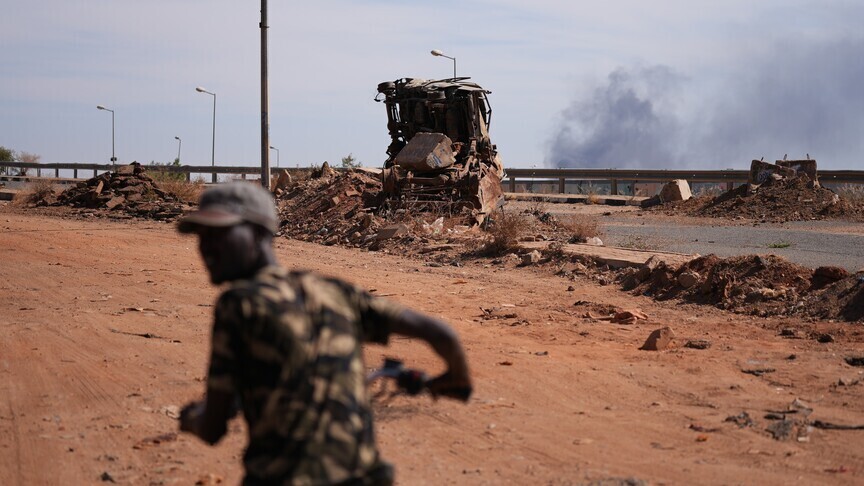
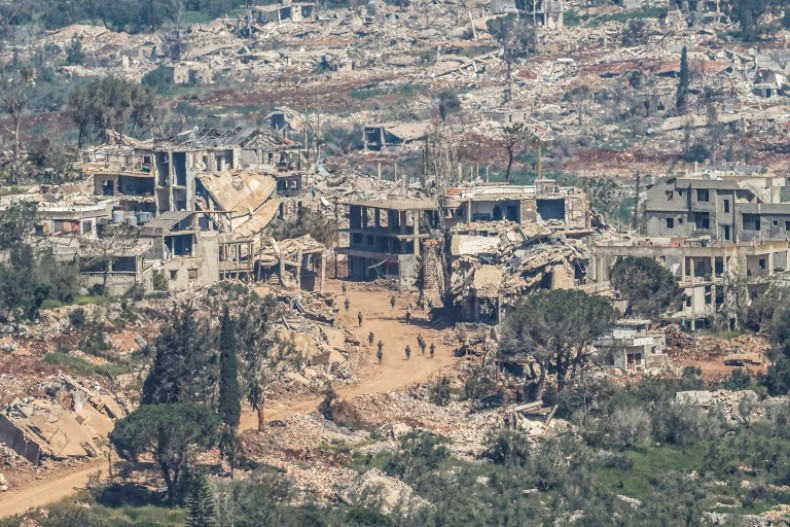
Escalating hostilities in the war in the Middle East and across Asia have severely deteriorated the humanitarian situation, as documented in the UNHCR's CORE Middle East Situation report dated 26 April 2026.[3] Affected areas now host 24.6 million forcibly displaced people, a staggering figure that captures the scale of upheaval driven by ongoing conflict.[3] These individuals, alongside host communities, confront significant protection risks and pressing humanitarian needs, straining resources and support systems.[3]
The UNHCR overview paints a picture of compounded crises, where military escalations exacerbate vulnerabilities in already fragile regions.[3] Forcibly displaced populations—comprising refugees, internally displaced persons, and others—face acute challenges, including lack of shelter, food insecurity, and exposure to violence.[3] Host communities, often resource-strapped themselves, absorb much of this burden, leading to heightened tensions and shared hardships.[3] The report stresses that protection risks are pervasive, encompassing threats to personal safety, family separation, and limited access to essential services.[3]
With humanitarian needs mounting, the situation demands urgent attention, though funding constraints are implied in the limited outlook provided.[3] The 24.6 million figure represents a critical threshold, signaling the war's far-reaching human cost beyond battlefields.[3] Escalations have not only displaced millions but also eroded coping mechanisms, leaving populations in limbo amid protracted instability.[3]
This impact unfolds in real time, with UNHCR monitoring underscoring the need for scaled-up responses. The interplay of hostilities and displacement creates cycles of vulnerability, where protection gaps hinder recovery efforts.[3] As of the report's cutoff, the trajectory points to worsening conditions without de-escalation, amplifying calls for international intervention.[3]
Overview of Ongoing War Developments
Coverage of the war in the Middle East continues through dedicated updates focused on latest developments, as provided by the Bangkok Post.[1][4][5] These reports maintain a steady stream of information on the conflict's progression, reflecting its dynamic and evolving nature.[1][4][5] Titled "War in the Middle East: latest developments," the dispatches serve as a resource for tracking key events, military movements, and situational shifts.[1][4][5]
The Bangkok Post's repeated emphasis on latest developments indicates persistent journalistic focus on the war's frontlines, offering snapshots of the broader campaign.[1][4][5] Multiple iterations of these updates—from sources [1], [4], and [5]—suggest ongoing coverage spanning different phases, capturing incremental changes in the US-Israeli operations against Iran and regional responses.[1][4][5] This consistent reporting underscores the conflict's protracted status, with no singular narrative dominating but rather a series of unfolding events.[1][4][5]
In the absence of specific escalations detailed in these bodies, the updates affirm the war's continuity, aligning with diplomatic and humanitarian reports elsewhere.[1][4][5] They contribute to a comprehensive picture, where latest developments inform stakeholders on tactical and strategic levels.[1][4][5] The repetitive titling reinforces the theme of recency, positioning these as go-to references for real-time awareness.[1][4][5]
Affected Regions and Host Countries
The UNHCR CORE Middle East Situation report identifies a wide array of countries bearing the brunt of escalating hostilities, spanning the Middle East and parts of Asia.[3] Key nations include Iran (Islamic Republic of), Afghanistan, Armenia, Iraq, Lebanon, Pakistan, Syrian Arab Republic, and Türkiye, all listed as affected or hosting displaced populations.[3] These regions collectively shelter the 24.6 million forcibly displaced people, with humanitarian needs permeating borders.[3]
Iran, at the epicenter, grapples with both conflict participation and influxes straining its capacities.[3] Neighboring Iraq and Syria, long sites of instability, see compounded displacements amid renewed escalations.[3] Lebanon and Türkiye serve as major hosts, managing large refugee caseloads alongside domestic pressures.[3] Further afield, Afghanistan and Pakistan face spillover effects, while Armenia contends with regional tensions.[3]
Each country's role—whether as battlefield or refuge—amplifies protection risks for the displaced and hosts alike.[3] The UNHCR's enumeration highlights interconnected vulnerabilities, where hostilities in one area displace people into others, overwhelming systems.[3] As of 26 April 2026, this network of affected states embodies the crisis's expanse.[3]
What to watch next: US responses to Iran's peace proposal amid Trump's reported unhappiness, potential shifts in the Strait of Hormuz standoff, ongoing latest developments in the war in the Middle East, and UNHCR updates on the 24.6 million displaced.[1][2][3][4][5]