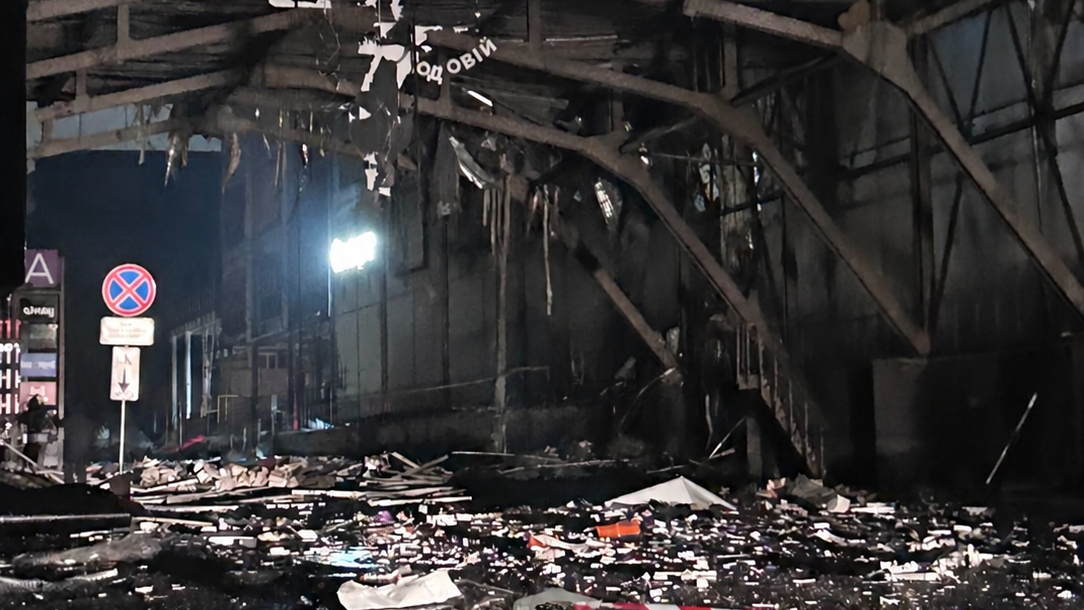

War in the Middle East: Gaza Recovery Estimated at $71.4 Billion
A rapid damage and needs assessment for the Gaza Strip estimates $71.4 billion required for recovery and reconstruction, as reported in a joint release by the European Union, United Nations, and World Bank.[2] This assessment, conducted for the occupied Palestinian territory and released on 20 April 2026, comes amid ongoing developments in the war in the Middle East, providing a critical update on the scale of destruction and the resources needed for rebuilding.[1][2]
Overview of Current Developments
The war in the Middle East continues to dominate headlines with the latest developments drawing international attention, as covered extensively in recent reports.[1][4][5] In this context, the release of the Gaza Strip Rapid Damage and Needs Assessment stands out as a primary update, offering concrete data on the humanitarian and infrastructural toll.[2] These reports from sources like the Bangkok Post repeatedly highlight "War in the Middle East: latest developments," underscoring the persistent nature of the conflict without delving into granular events beyond the assessment's scope.[1][4][5] The joint effort behind the assessment reflects a coordinated international response to the protracted situation, positioning it as a key focal point amid broader regional tensions.[2] This overview situates the $71.4 billion figure not in isolation, but as part of the evolving narrative of destruction and recovery needs in the occupied Palestinian territory.[1][2] The timing of the release on 20 April 2026 aligns with ongoing monitoring of the war in the Middle East, emphasizing the urgency of addressing damages in Gaza.[4][5] Such assessments serve to quantify the impact, informing global stakeholders on the immediate priorities in a conflict marked by repeated references to latest developments.[1]
Gaza Damage and Needs Assessment Details
The Rapid Damage and Needs Assessment (RDNA) for the Gaza Strip provides a detailed evaluation of the destruction wrought by the conflict, culminating in an estimate of $71.4 billion needed for recovery and reconstruction.[2] Released on 20 April 2026 from Jerusalem, this final report specifically targets the Gaza Strip within the occupied Palestinian territory, focusing on the extent of damages across critical sectors.[2] The assessment's rapid nature indicates an expedited process to capture the most current state of affairs, enabling timely planning for rebuilding efforts.[2] Key to its findings is the comprehensive $71.4 billion valuation, which encompasses both immediate recovery needs and long-term reconstruction requirements, reflecting the scale of devastation documented.[2] This figure is derived from a methodical review of damages, making it a benchmark for international aid and investment discussions.[2] The report's availability in both English and Arabic [EN/AR] broadens its accessibility, ensuring that stakeholders in the region and beyond can engage with its data.[2] By concentrating on the Gaza Strip, the RDNA delivers precise insights into localized impacts, distinguishing it from broader regional analyses.[2]
Involved Organizations and Collaboration
The Gaza Rapid Damage and Needs Assessment was a collaborative endeavor involving key international bodies, lending significant credibility to its findings.[2] The European Union and the United Nations spearheaded the release, working jointly with the World Bank to produce the report.[2] Additional partners include the UN Country Team in Palestine and the UN Special Coordinator for the Middle East Peace Process, forming a robust consortium with expertise in humanitarian response, development finance, and regional diplomacy.[2] This multi-entity approach ensures a multidisciplinary perspective, combining on-the-ground data collection with macroeconomic analysis.[2] The involvement of the European Union highlights its commitment to supporting recovery in conflict zones, while the United Nations' components bring specialized knowledge of Palestinian territories.[2] The World Bank's participation adds financial rigor, particularly in estimating reconstruction costs like the $71.4 billion total.[2] Released together on 20 April 2026, these organizations' joint effort underscores a unified front, with attached files providing the full evidentiary basis for the assessment.[2] Such collaboration enhances the report's authority, as it draws on diverse resources to address the complex needs of the occupied Palestinian territory.[2]
Broader Context of the Conflict
References to the war in the Middle East permeate recent coverage, with multiple outlets focusing on latest developments without introducing new specifics beyond the Gaza assessment.[1][4][5] These reports repeatedly frame the situation under "War in the Middle East: latest developments," indicating a steady stream of updates on the ongoing conflict.[1] The Gaza RDNA fits within this pattern, offering a tangible measure of impact amid repetitive mentions of regional tensions.[4][5] No significant diplomatic progress is noted in related contexts, keeping the emphasis on humanitarian and reconstruction challenges.[2] The assessment's release on 20 April 2026 aligns with this broader reporting cycle, providing a data-driven anchor to otherwise fluid narratives.[1][2] Sources like the Bangkok Post maintain a consistent focus on these developments, reinforcing the war's centrality without venturing into unsubstantiated details.[5] This context positions the $71.4 billion estimate as a critical element in understanding the sustained effects of the war in the Middle East.[4] The limited specifics in available reports highlight the assessment's role as the most substantive update available.[1]
Key Outcomes and Next Steps
The primary outcome of the Gaza Rapid Damage and Needs Assessment is the $71.4 billion estimate for recovery and reconstruction, a figure that encapsulates the assessment's core implications for the occupied Palestinian territory.[2] This valuation serves as a call to action for donors and governments, outlining the financial scale required to restore Gaza Strip infrastructure and services.[2] Jointly conducted and released by the European Union, United Nations, and World Bank, the report's findings are positioned to guide future funding appeals and planning.[2] The collaboration's final product, dated 20 April 2026, emphasizes the need for coordinated international support to translate assessment data into actionable recovery programs.[2] While specific next steps are not detailed beyond the release, the report's attached files offer a foundation for subsequent initiatives, including detailed sectoral breakdowns.[2] The $71.4 billion total implies a multi-year effort, with implications for global aid priorities in the context of the war in the Middle East.[1][2] This outcome reinforces the assessment's utility as a roadmap for rebuilding, urging stakeholders to prioritize Gaza's needs.[2]
What to watch next: International responses to the $71.4 billion recovery estimate, including potential funding commitments from the European Union, United Nations, and World Bank partners, as outlined in the joint assessment release.[2]