
War in the Middle East Displaces 1.2 Million People
The war in the Middle East has displaced 1.2 million people and involved military actions such as attacks on Iran by the US and Israel.[4][3] Now in its seventh week, the conflict has not achieved its apparent objectives of toppling Iran's theocratic rulers or fully satisfying US demands, while exposing broader humanitarian and economic strains.[3] Reports continue to track the evolving situation across the region.[1][2][5]
Overview of Recent Developments
The war in the Middle East has produced a steady stream of updates, with international outlets monitoring the progression of hostilities and their ripple effects.[1] Coverage from sources like the Bangkok Post has focused on the latest developments, providing snapshots of the multifaceted crisis that encompasses military engagements, diplomatic maneuvers, and regional instability.[2][5] These reports underscore the protracted nature of the conflict, which erupted toward the end of February and has since expanded in scope.[4]
Key updates highlight the failure of seven weeks of warfare to dislodge Iran's leadership or compel full compliance with US stipulations.[3] This stalemate has drawn attention to the strategic challenges faced by involved parties, including the United States under President Donald Trump and Israel. The Bangkok Post's repeated emphasis on "latest developments" reflects the rapid pace of events, from initial escalations to ongoing assessments of territorial control and international responses.[1][5] Such reporting serves as a critical resource for understanding the war's trajectory, where military objectives remain unmet amid persistent tensions.[3]
Furthermore, the overview of recent developments reveals a conflict that has tested alliances and exposed vulnerabilities on multiple fronts. Iran's resilience in maintaining its governance structure despite sustained pressure illustrates the complexities of regime change efforts in the region.[3] Meanwhile, the displacement of over a million civilians in Lebanon alone points to the human cost accumulating alongside strategic setbacks.[4] These elements, drawn from ongoing coverage, paint a picture of a war in the Middle East that defies quick resolution, with each new report adding layers to the narrative of endurance and adaptation.[2]
Military Actions and Events
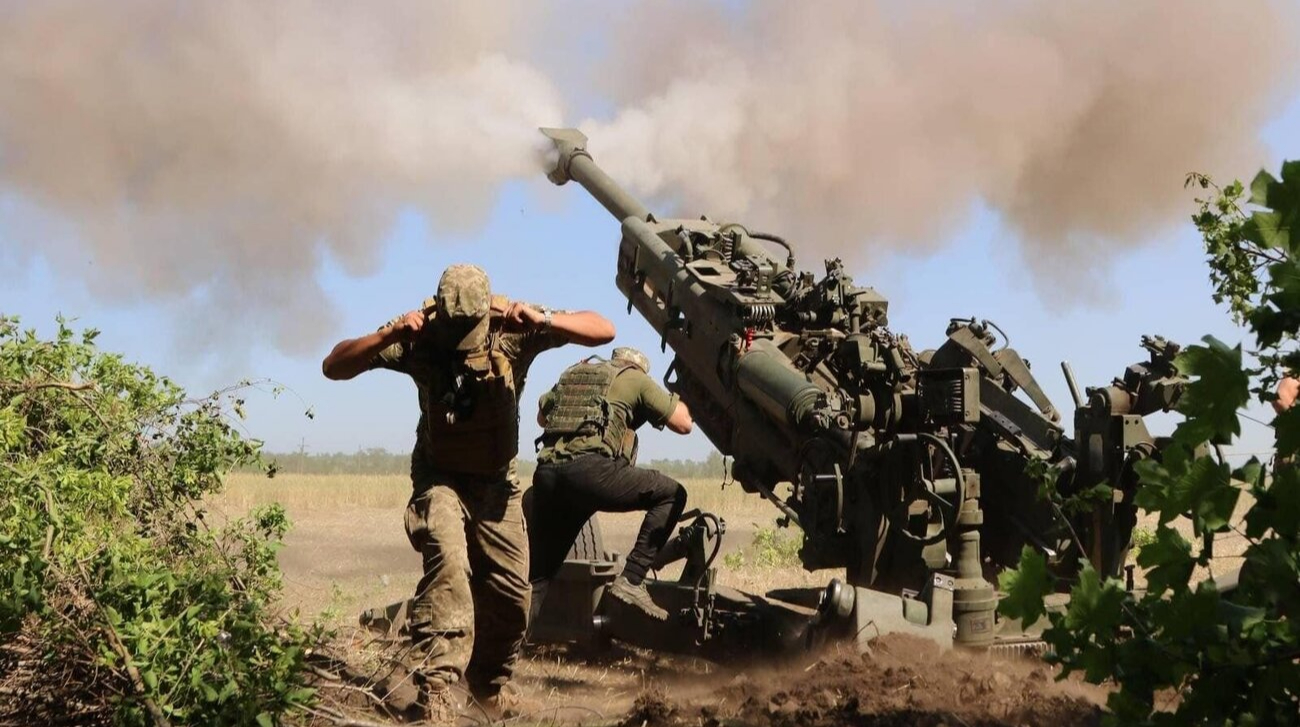
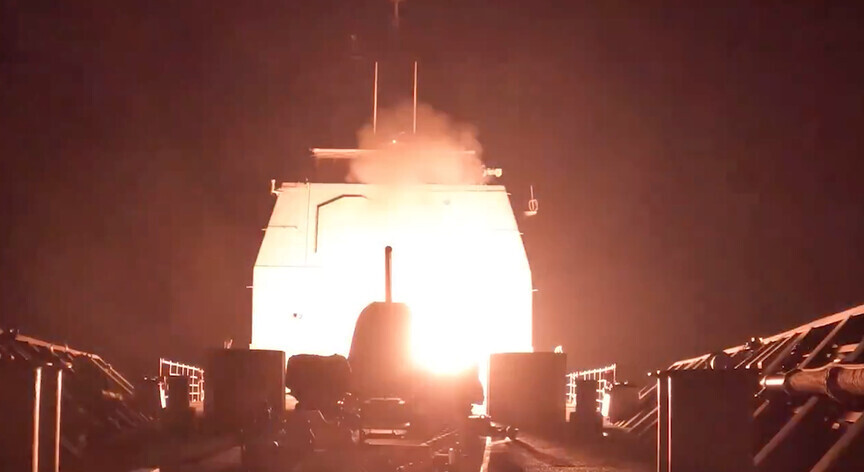
Military engagements have formed the core of the war in the Middle East, with notable actions including attacks on Iran carried out jointly by the US and Israel.[3] On February 28, President Trump joined Israel in striking Iranian targets, marking a significant escalation in the conflict.[3] This operation represented a direct response to prior tensions, aiming to pressure Iran's theocratic rulers but ultimately falling short of broader goals after seven weeks of hostilities.[3]
The specifics of these military actions underscore the intensity of the campaign. The US involvement, led by Trump, highlighted a willingness to engage alongside allies like Israel in targeting key Iranian assets.[3] However, the persistence of Iran's leadership indicates that these strikes did not achieve the decisive impact sought, such as toppling the regime or forcing complete capitulation to American demands.[3] This outcome reflects the challenges of conducting precision military operations in a theater marked by Iran's defensive capabilities and regional proxies.
The February 28 attacks set the stage for subsequent phases of the war, where repeated efforts have yielded limited strategic gains.[3] Analysts reviewing these events note that while tactical successes may have occurred, the overarching failure to alter Iran's political structure after more than a month of combat reveals the limits of aerial and allied assaults.[3] The involvement of major powers like the US has also drawn scrutiny to the coordination between Washington and Jerusalem, emphasizing shared interests in curbing Iranian influence amid the broader Middle East war.[3]
Humanitarian Impact
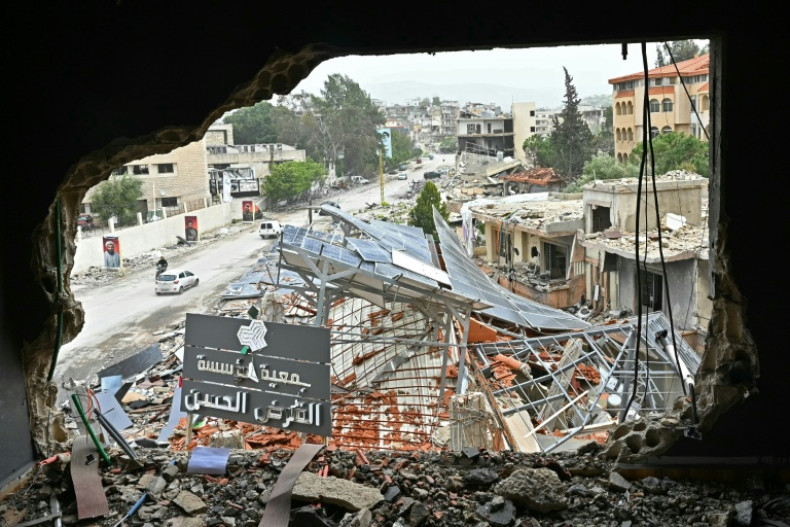
The humanitarian toll of the war in the Middle East is stark, with 1.2 million people uprooted across affected areas.[4] In Lebanon, more than a million civilians have been displaced since the conflict erupted at the end of February, forcing families into precarious living situations.[4] Among these displaced populations are thousands of young mothers and pregnant women, many of whom have been compelled to give birth in makeshift camps or other inadequate conditions.[4]
This crisis has overwhelmed local resources, leaving vulnerable groups exposed to health risks and insufficient medical care. Reports from France 24 detail the dire circumstances in these temporary shelters, where the lack of proper facilities exacerbates the challenges of childbirth and early infancy.[4] Young mothers, already strained by displacement, face additional hardships without access to sterile environments or specialized support, turning what should be moments of care into scenes of survival.[4]
The scale of displacement in Lebanon—over a million individuals in a short period—illustrates the war's capacity to upend civilian life on a massive scale.[4] Pregnant women among the displaced represent a particularly acute concern, as their needs for prenatal monitoring and postpartum recovery go largely unmet in these improvised settings.[4] This situation not only compounds immediate suffering but also raises long-term worries about infant health and maternal mortality in the region.[4] The France 2 report embedded in France 24 coverage provides firsthand accounts, emphasizing the human faces behind the statistics and the urgent call for international aid.[4]
Economic and Political Context
The war in the Middle East has illuminated economic pressures on the US, particularly under President Trump, revealing vulnerabilities that adversaries and allies alike have noted.[3] Seven weeks into the conflict, the failure to topple Iran's rulers or secure full compliance with US demands has shifted focus to domestic repercussions, spotlighting Trump's sensitivity to economic fallout.[3] Even as Iran announced the reopening of the Strait of Hormuz, the crisis has exposed the boundaries of Washington's tolerance for pain at home.[3]
This economic dimension has become a central pressure point, with the Middle East war amplifying concerns over inflation, supply chain disruptions, and energy costs.[3] Trump's administration, already navigating pre-existing fiscal challenges, finds its leverage tested by the protracted nature of the engagement.[3] The spotlight on these vulnerabilities stems from the war's duration and intensity, where military commitments abroad intersect with economic stability within the US.[3]
Politically, the context underscores the interplay between foreign policy ambitions and internal constraints. Iran's endurance against US-led actions has not only preserved its theocratic governance but also highlighted how economic factors can constrain aggressive postures.[3] For Trump, this revelation comes at a time when sustaining public support hinges on minimizing domestic hardships, making the war a litmus test for his leadership.[3]
Current Status of the Conflict
The current status of the war in the Middle East reflects a mix of persistence and partial de-escalations, such as Iran's announcement on Friday reopening the Strait of Hormuz to shipping.[3] This move comes amid seven weeks of fighting that have not dislodged Iran's leadership or met all US demands, signaling a tactical adjustment rather than a resolution.[3]
The Strait's reopening addresses one immediate flashpoint, potentially easing global shipping routes strained by the conflict.[3] However, it does little to alter the underlying stalemate, where military efforts led by the US and Israel have fallen short of strategic victories.[3] Trump's role in the February 28 attacks alongside Israel remains a pivotal event, yet the ongoing crisis continues to test resolve on all sides.[3]
This status update captures a conflict in flux, with economic considerations increasingly shaping decisions.[3] Iran's action on the Strait may mitigate some pressures but leaves core issues—regime stability and US objectives—unresolved.[3]
What to watch next: Monitor Iran's adherence to the Strait of Hormuz reopening and any further economic strains on the US under Trump, as these could influence the war's trajectory amid unmet demands after seven weeks.[3]