War in the Middle East: A 10-Day Ceasefire Begins in Lebanon
A 10-day ceasefire has begun in Lebanon on day 49 of the Iran war in the Middle East.[5] This development comes amid ongoing conflict that has displaced more than 1.2 million civilians in Lebanon,[3] lasted at least 49 days without toppling Iran's rulers,[2][5] seen US and Israel attacks on Iran that highlight economic pressures on the US president,[2] and included Iran's announcement to reopen the Strait of Hormuz to shipping.[2]
Key Facts from the War in the Middle East
The war in the Middle East has reached a critical juncture with several key facts underscoring its scale and implications. More than 1.2 million civilians have been displaced in Lebanon due to the war, a figure that reflects the profound human cost of the hostilities.[3] This displacement has been particularly acute since the conflict erupted at the end of February, affecting families, including thousands of young mothers and pregnant women who have been forced into makeshift camps or other inadequate conditions.[3]
The duration of the conflict now stands at least at 49 days, marking day 49 of the Iran war, without achieving the goal of toppling Iran's theocratic rulers.[2][5] Seven weeks of intense military engagement have failed to force Iran to meet all demands set by President Donald Trump, revealing persistent challenges in the strategic objectives of the involved parties.[2]
US and Israel conducted attacks on Iran, with Trump joining Israel in strikes on February 28, which have spotlighted economic pressures as a vulnerability for the US president.[2] This economic dimension has become a central point of exposure, as the crisis has tested the limits of tolerance for domestic economic pain in the United States.[2]
In a notable move amid the tensions, Iran announced on Friday the reopening of the Strait of Hormuz to shipping, signaling an effort to mitigate some of the conflict's broader disruptions despite ongoing hostilities.[2] These facts collectively paint a picture of a protracted war in the Middle East that continues to evolve with both military and economic ramifications.[1][2][3][5]
Overview of the Conflict
The ongoing war in the Middle East, now on day 49, encompasses a range of developments across Lebanon, Tehran, and the broader region.[5] This conflict, referred to as the Iran war, has seen sustained military actions that have not yet resulted in the overthrow of Iran's rulers, even after seven weeks of engagement.[2][5] Latest developments indicate a complex landscape involving multiple actors and fronts, with Lebanon emerging as a focal point for recent escalations and de-escalations.[1][5]
From its outset at the end of February, the war has involved direct confrontations, including attacks by the US and Israel on Iran.[2] These actions have highlighted vulnerabilities beyond the battlefield, particularly economic pressures that affect decision-making at the highest levels.[2] The failure to topple Iran's theocratic leadership underscores the resilience of the regime amid external pressures, as reported in assessments of the conflict's progress.[2]
In Lebanon, the situation has intensified, contributing to widespread disruptions.[5] Celebrations marking the ceasefire's start suggest a momentary relief, but the overall overview reveals a war that has expanded in scope, touching on key maritime routes and civilian populations.[2][5] Reports from various outlets detail the latest developments, emphasizing the interconnected nature of events in Tehran and surrounding areas.[1][4][5] This summary draws from on-the-ground reporting to outline how the war in the Middle East has progressed without decisive victories for any side, setting the stage for temporary measures like ceasefires.[5]
The conflict's overview also notes the strategic importance of locations like the Strait of Hormuz, whose partial reopening indicates tactical adjustments by Iran.[2] Without a clear resolution, the war continues to strain resources and international relations, as evidenced by the persistent focus on military and diplomatic maneuvers.[1][5]
Recent Developments
Recent developments in the war in the Middle East center on the initiation of a 10-day ceasefire in Lebanon, which began on day 49 of the Iran war.[5] Celebrations in Lebanon have accompanied this pause, viewed as opening the door to talks on a longer-term deal between Israel and Lebanon.[5] This ceasefire represents a significant shift after weeks of intense conflict, providing a brief window amid the broader hostilities involving Iran.[2][5]
Concurrently, Iran announced the reopening of the Strait of Hormuz to shipping on Friday, a move that occurs against the backdrop of the ongoing crisis.[2] This decision comes even as the war has failed to dislodge Iran's rulers or fully meet US demands, now entering its seventh week.[2] The attacks by the US and Israel on Iran, with Trump aligning with Israel on February 28, mark pivotal recent escalations that have exposed economic vulnerabilities.[2]
These events illustrate the fluid nature of recent developments, where military actions intersect with economic considerations.[2] The ceasefire in Lebanon, while temporary, highlights efforts to de-escalate specific fronts, potentially influencing dynamics in Tehran and elsewhere.[5] Latest reports underscore the war's persistence, with no toppling of leadership despite prolonged engagement.[2][5]
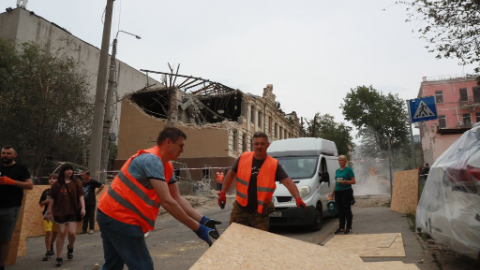
A 10-day ceasefire begins in Lebanon amid the Middle East war. — Source: bangkokpost
The combination of ceasefire announcements and maritime reopenings suggests pragmatic responses to mounting pressures, though the underlying tensions remain.[2][5] Developments in Lebanon, in particular, have drawn attention for their potential to pave the way for extended negotiations, amid celebrations that reflect public exhaustion with the conflict.[5]
Humanitarian Impact
The humanitarian impact of the war in the Middle East has been severe, particularly in Lebanon, where more than 1.2 million civilians have been displaced since the conflict erupted at the end of February.[3] This massive uprooting affects a broad cross-section of the population, including thousands of young mothers and pregnant women who have been compelled to give birth in makeshift camps or other inadequate conditions.[3]
The scale of displacement—over a million people—underscores the war's toll on civilian life, forcing families into precarious situations far from their homes.[3] Reports detail the challenges faced in these temporary shelters, where basic needs are often unmet, exacerbating vulnerabilities among the most at-risk groups.[3] This situation has persisted through 49 days of conflict, amplifying the urgency of humanitarian responses.[3][5]
Among the displaced are those who have endured the outbreak of hostilities, with the end-of-February timeline marking the onset of widespread evacuations.[3] The conditions in camps highlight the inadequacy of infrastructure to handle such volumes, leading to health and welfare concerns, especially for pregnant women and new mothers.[3] This impact extends beyond immediate displacement, affecting community structures and long-term recovery prospects in Lebanon.[3]
The war's humanitarian footprint in Lebanon serves as a stark reminder of civilian suffering in protracted conflicts, with over 1.2 million uprooted individuals facing ongoing hardships.[3]
International Involvement
International involvement in the war in the Middle East has been marked by the roles of the US and Israel, who conducted attacks on Iran, with President Donald Trump joining Israel on February 28.[2] This collaboration has spotlighted economic pressures as a key vulnerability for the US president, as seven weeks of war have not toppled Iran's rulers or fully satisfied Trump's demands.[2]
The crisis has revealed the limits of US willingness to endure domestic economic pain, even with Iran's reopening of the Strait of Hormuz.[2] Allies and adversaries alike have noted this pressure point, influencing perceptions of American resolve in the conflict.[2] Israel's participation in the strikes underscores a shared strategic interest against Iran, amplifying the international dimension.[2]
Trump's direct involvement signals high-level commitment from the US, yet the failure to achieve regime change highlights challenges in multinational efforts.[2] This involvement extends the war's reach, intertwining military actions with global economic concerns tied to key shipping routes.[2]

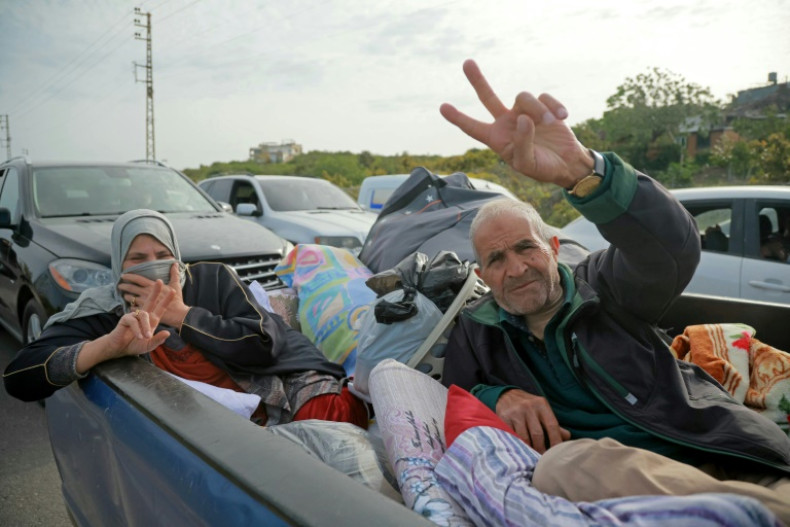
Civilians displaced in Lebanon on day 49 of the Iran war. — Source: aljazeera
The dynamics of international actors, particularly the US-Israel axis, continue to shape the conflict's trajectory, with economic factors playing a pivotal role in decision-making.[2]
Current Status and Potential Outcomes
The current status of the war in the Middle East on day 49 features a 10-day ceasefire in Lebanon, accompanied by celebrations and prospects for longer-term Israel-Lebanon talks.[5] Iran's reopening of the Strait of Hormuz to shipping amid the conflict provides some stabilization in maritime access, though tensions persist.[2]
Despite 49 days without toppling Iran's rulers, the war reveals ongoing economic pressures on the US.[2][5] Potential outcomes hinge on the ceasefire's extension, as it opens doors to negotiations that could de-escalate the Lebanon front.[5] The failure to meet full demands after seven weeks suggests a stalemate, with economic vulnerabilities influencing future US actions.[2]
This status quo, blending temporary halts with strategic reopenings, points to possible diplomatic breakthroughs or renewed escalations, depending on adherence to the ceasefire and broader talks.[2][5]
What to watch next: Monitor the 10-day ceasefire in Lebanon for signs of extension into longer-term Israel-Lebanon deals, alongside any impacts from the Strait of Hormuz reopening on global shipping amid the unresolved Iran war pressures.[2][5]