War in Iran: Strait of Hormuz Shut Again Amid Ongoing Conflict
Iran has again shut the Strait of Hormuz, escalating tensions in the ongoing war with the United States.[3] This move comes amid a conflict described as having no clear winner, where both the US and Iran are claiming victory.[1] The war Iran confrontation, initiated by the US and Israel on February 28, has seen fluctuating dynamics, including recent declarations from Iran's speaker proclaiming victory and reports of depleting US ammunition stocks.[3][4][5]
Background of the Conflict
The current war Iran hostilities trace back to February 28, when the United States and Israel launched military actions against Iran.[3] This initiation marked a significant escalation in longstanding regional tensions, positioning the conflict as what some observers have termed the third Gulf war.[1] The involvement of key parties—the US, Israel, and Iran—has drawn global attention due to the strategic implications for energy security and international trade routes. From the outset, the war has lacked a definitive victor, with competing narratives emerging from all sides.[1][3] Iran's response has centered on leveraging critical chokepoints like the Strait of Hormuz, while the US and its allies have pursued broader military objectives. This backdrop underscores a multifaceted engagement, where initial strikes have evolved into a protracted struggle influencing diplomatic efforts and resource management on both sides.[3] The February 28 launch set the stage for subsequent developments, including intermittent blockades and high-level rhetoric, highlighting the entrenched positions of the primary combatants.[3]
Recent Developments in the Strait of Hormuz
In a sharp reversal, Iran on Saturday ordered the closure of the Strait of Hormuz once more, reinstating a deadlock after a brief period of reprieve.[3] This action amplifies uncertainty in the war Iran theater, as the strait remains a vital energy chokepoint through which a substantial portion of global oil supplies pass. Iran's strategy here is characterized as playing hardball, using the strait to exert pressure amid a conflict with no clear winner.[1] The renewed shutdown follows an earlier u-turn in Iran's directives, underscoring the fluid tactical maneuvers in this phase of the war.[3] Such developments carry profound economic consequences, potentially affecting energy markets worldwide as shipping and trade face disruptions.[1] The strait's repeated closures signal Iran's willingness to escalate, even as talks proceed, complicating military logistics for the US and its allies.[1][3] Observers note that this hardline posture aligns with broader war Iran dynamics, where control over key maritime passages serves as leverage in both combat and negotiations.[3]
Claims and Statements from Involved Parties
Both the United States and Iran have issued declarations of victory in the ongoing war, reflecting a narrative of contradictory assessments.[1] Iran's speaker has explicitly stated that Iran is "victorious" in the war with the US, amplifying official Tehran rhetoric amid the lack of a clear winner on the battlefield.[4] These pronouncements come at a critical juncture, masking underlying complexities in the conflict's progression.[1] The US side, while not detailed in specific quotes here, counters with its own claims of success, contributing to a polarized information environment.[1] Iran's leadership, through the speaker's bold assertion, positions the nation as prevailing despite sustained engagements.[4] This war of words parallels military actions, including the recent Strait of Hormuz maneuvers, and influences public perception both domestically and internationally.[1][4] Such statements serve to bolster morale and diplomatic standing, even as objective measures like resource strains emerge elsewhere in the conflict.[1]
Military and Resource Impacts
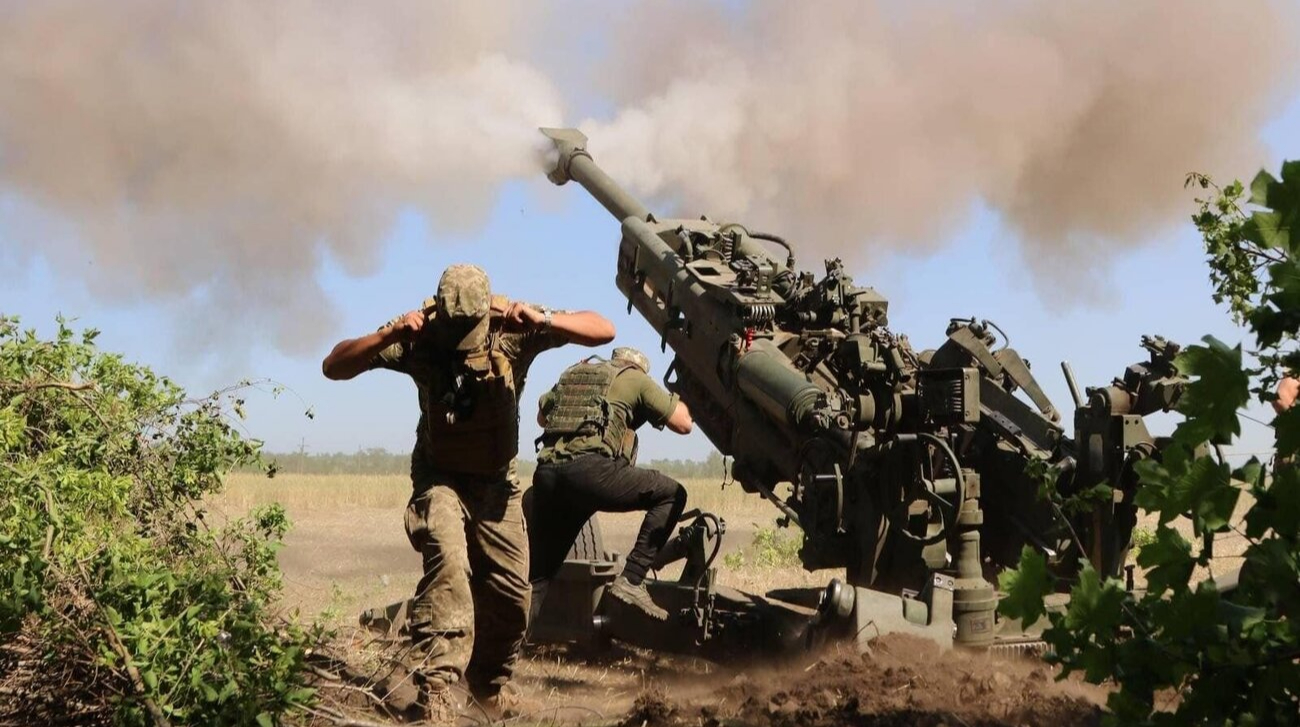
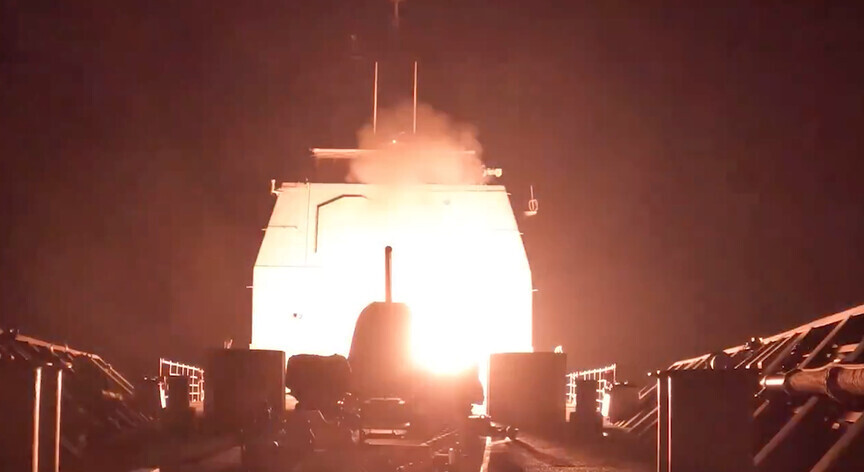
The war Iran has exacted a toll on US military resources, with ammunition stocks depleting amid the intense conflict involving Iran and Israel.[5] Reports indicate that Pentagon missile reserves are thinning, attributed to sustained operations under the Trump administration's oversight.[5] This depletion stems from the prolonged nature of the engagements, where high consumption rates of munitions have outpaced resupply efforts.[5] The scarcity poses challenges for sustained US involvement, potentially affecting operational tempo and strategic planning in the war.[5] While Iran proclaims victory, these resource constraints highlight vulnerabilities on the American side, complicating the path to any resolution.[4][5] The focus on ammunition shortages underscores broader logistical pressures in modern warfare, where precision-guided weapons are rapidly expended in high-stakes theaters like the Persian Gulf region.[5]
Current Status of Negotiations
Talks between the involved parties in the war Iran have demonstrated good progress, yet no deal has been finalized.[3] Iran's assessment of the discussions points to positive momentum, even as the Strait of Hormuz closure introduces fresh hurdles.[3] This interplay between diplomatic overtures and military posturing reflects the negotiations' delicate balance, where incremental advances have not yet bridged core divides.[3] The brief reprieve in the Hormuz deadlock prior to its recent return suggested potential for de-escalation, but the u-turn has tempered optimism.[3] Official updates frame the process as advancing constructively, though the absence of an agreement leaves the conflict's trajectory uncertain.[3] These talks occur against the backdrop of victory claims and resource strains, positioning them as a potential off-ramp, albeit one fraught with obstacles.[1][3]
What to watch next: Monitor the Strait of Hormuz for any further reopenings or enforcements, alongside negotiation updates for signs of a breakthrough, as Iran maintains its hardball stance amid dueling victory claims.[1][3]