
War in Iran Revives Stagflation Fears for Global Economy
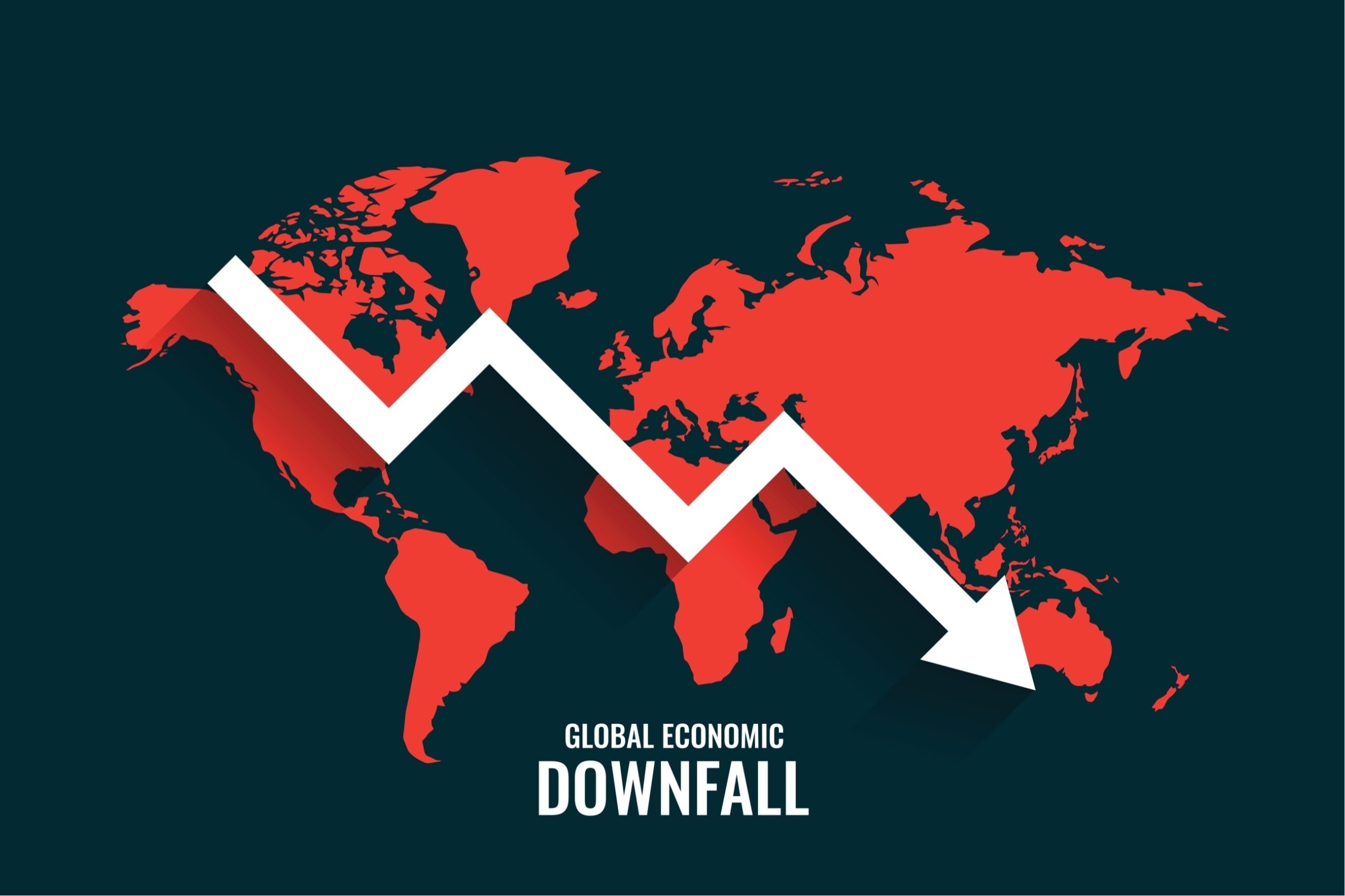
The Iran War is reviving stagflation dangers for the global economy.[1] As the conflict persists, Turkey has demanded an extension of the ceasefire,[2] while seven weeks into the war, economic damage is evident with global growth forecasts crumbling.[3] Referred to in some coverage as the US-Israel war on Iran and nearing two months, the situation also includes developments such as Argentine President Javier Milei set to receive an honorary medal in Israel.[4][5]
Economic Impacts of the Iran War
The ongoing war in Iran has brought stagflation fears back to the forefront of global economic discussions, with reports highlighting a darkening picture as data emerges.[1][3] Stagflation, characterized by stagnant growth combined with rising inflation, is a concern echoed in analyses from major outlets, directly linking the conflict to these pressures.[1] Specifically, seven weeks into the Iran conflict—placing it firmly in a phase where prolonged tensions are taking a toll—preliminary business surveys from economies as diverse as Australia and the United States are revealing early signs of economic damage.[3]
This damage is manifesting in crumbling global growth forecasts, as analysts and policymakers grapple with the implications.[3] The Straits Times has noted how the Iran War is reviving these stagflation dangers, underscoring the vulnerability of the world economy to geopolitical shocks of this magnitude.[1] Daily News Egypt provides further detail, explaining that the economic picture is worsening, with surveys rolling in that prompt unsettling questions about the proximity to stagflation.[3] These surveys span key regions, from Asia-Pacific powerhouses like Australia to North American giants like the United States, indicating a broad-based impact rather than isolated effects.[3]
In neutral terms, this revival of stagflation risks points to interconnected global supply chains disrupted by the war in Iran, where energy markets and trade routes are particularly sensitive.[1][3] Policymakers are now focused on these indicators, as the seven-week mark aligns with the point where initial disruptions begin to embed into broader forecasts.[3] The consistency across sources reinforces that the war's economic footprint is not speculative but grounded in incoming data, with global growth projections adjusting downward in response.[3] This scenario revives historical parallels to periods where conflicts fueled inflation without growth, though current reports emphasize the data-driven nature of the assessment.[1][3]
Further context from these reports suggests that the war's duration—now extending beyond initial expectations—is amplifying these effects, as businesses report challenges that feed into macroeconomic outlooks.[3] Analysts are uniformly asking how close the world stands to full stagflation, based on these preliminary signals.[3] The implications for central banks and fiscal authorities are significant, as they navigate this environment amid the Iran War's persistence.[1]
Ceasefire and International Demands
Turkey has issued a clear demand for the extension of the ceasefire in the Iran War, as reported in live updates from the conflict.[2] This call came at 14:45 in a Gdelt live ticker on the Iran Krieg (war), highlighting Turkey's position amid ongoing hostilities.[2] Published on April 19, 2026, at 13:30 UTC, the update underscores the timeliness of international diplomatic pressures seeking to prolong any pauses in fighting.[2]
Such demands reflect broader efforts to mitigate escalation, with Turkey positioning itself as a key voice calling for Verlängerung von Waffenruhe—extension of the truce.[2] In the context of the live coverage, this statement arrives as part of a sequence of developments, indicating active regional involvement.[2] Neutral reporting frames this as a straightforward international demand, aimed at stabilizing the situation without delving into partisan alignments.
The specificity of the timing—14:45 in the ticker—suggests real-time diplomatic maneuvering, potentially influencing negotiations as the war progresses.[2] Turkey's intervention adds to the chorus of global stakeholders monitoring the ceasefire's status, emphasizing the need for extension to prevent further intensification.[2]
Key International Developments
Amid the Iran War, Argentine President Javier Milei is set to receive an honorary medal in Israel, as noted in conflict live updates.[4] This development was reported at 12:55 in a Gdelt live ticker on the Iran Krieg, published on April 19, 2026, at 11:30 UTC.[4] The awarding of the Ehrenmedaille (honorary medal) occurs against the backdrop of the ongoing conflict, marking a notable international recognition.[4]
This event highlights cross-border ties strengthening during wartime, with Milei—known for his pro-Israel stance—receiving this honor in Jerusalem.[4] Live coverage positions it as a key moment, potentially signaling alliances or diplomatic gestures amid the war's challenges.[4] In a neutral lens, it represents one of several international threads weaving through the conflict narrative.[4]
The timing, shortly before other updates like Turkey's ceasefire call, illustrates the multifaceted nature of global responses to the war.[2][4] Such awards can serve as morale boosters or political statements, though reports stick to the factual announcement without speculation.[4]
Understanding War Terminology
Coverage of the war in Iran frequently employs specific terminology, with Al Jazeera breaking down 10 commonly used words and their meanings.[5] The outlet describes the conflict as the "US-Israel war on Iran," which is nearing two months, providing clarity on phrases dominating headlines and discussions.[5]
This explanation is crucial for contextualizing reports, as terms evolve with the conflict's progression.[5] By nearing the two-month mark, the war has entrenched certain lexical choices, such as "US-Israel war on Iran," which encapsulates the involved parties in public discourse.[5] Al Jazeera's focus on frequently used words ensures audiences grasp nuances, from military actions to diplomatic phrases.[5]
Neutral analysis views this as an essential journalistic tool, aiding comprehension in a fast-moving story.[5] The two-month timeline reinforces the conflict's duration, aligning with economic reports of seven weeks plus additional time.[3][5] Such breakdowns demystify coverage, grounding public understanding in precise definitions.[5]
Current Status of the Conflict
The Iran War, seven weeks in as of recent economic assessments, is now nearing two months according to terminology guides, with a fragile ceasefire drawing international attention.[2][3][5] Turkey's demand for extension at 14:45 underscores active diplomatic pushes,[2] while the US-Israel framing nears this milestone.[5]
Simultaneously, developments like Milei's honorary medal in Israel at 12:55 highlight ongoing international engagements.[4] Live tickers capture these in sequence, from awards to ceasefire calls, painting a picture of a conflict blending military, economic, and diplomatic fronts.[2][4] Economic damage from the seven-week point has led to crumbling forecasts,[3] compounded by the approach to two months.[5]
This status reflects persistence, with sources converging on duration and responses: stagflation risks,[1][3] truce extensions,[2] recognitions,[4] and lexical clarifications.[5] Neutral reporting emphasizes the live, evolving nature, grounded in dated updates from April 19, 2026.[2][4]
What to watch next: Monitor incoming business surveys for stagflation signals,[3] Turkey's ceasefire push outcomes,[2] and updates on conflict terminology as the US-Israel war on Iran extends beyond two months.[5]