
Lebanon Conflict: Israeli Soldier Killed in Southern Region
In the ongoing conflict Lebanon, another Israeli soldier has been killed in southern Lebanon, raising the total number of Israeli soldiers killed to 15 since March 2, even as a ceasefire remains in effect.[5] This latest incident underscores the persistent tensions along the border, where military operations continue amid fragile truce conditions.
Recent Military Developments
The Israeli army has taken significant steps to publicize its operational footprint in southern Lebanon, releasing a detailed map that outlines its "forward defense line" and current troop positions.[1] This disclosure provides a visual representation of Israel's military posture in the region, highlighting the extent of its incursion and strategic deployments. According to statements from Israeli defense officials, forces have advanced approximately 12 kilometers into Lebanese territory.[1] This push represents a notable deepening of Israel's presence beyond initial border engagements, positioning troops in areas that could serve as buffers against potential threats from the north.
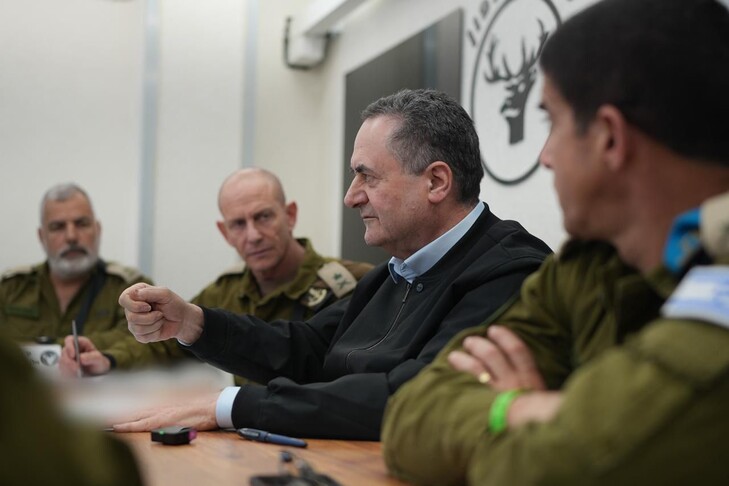
Israel's defense minister has explicitly stated that the military intends to maintain control over all areas it has occupied.[1] This commitment suggests a policy of consolidation rather than withdrawal, potentially aimed at securing long-term defensive advantages. The release of the map itself is a rare public acknowledgment of troop dispositions, which could serve multiple purposes: informing domestic audiences about operational progress, signaling resolve to adversaries, and possibly coordinating with international observers like UNIFIL forces patrolling the area. In the context of the broader conflict Lebanon, such actions indicate that Israel views southern Lebanon not merely as a theater of short-term clashes but as a zone requiring sustained military oversight.[1] The forward defense line, as depicted, likely incorporates elevated positions, observation points, and fortified emplacements to monitor and respond to any Hezbollah or other militant activities, reflecting lessons from previous escalations in the region.
This development aligns with patterns observed in prior cross-border exchanges, where territorial control has been a key objective for Israel to prevent rocket launches or infiltrations. By pushing 12 kilometers inward, Israeli forces have moved beyond the Litani River basin's immediate vicinity, potentially complicating Lebanon's internal security dynamics and straining relations with UN resolutions calling for a demilitarized zone south of the river.[1] The map's publication also invites scrutiny from international actors, as it formalizes positions that may influence future ceasefire negotiations or enforcement mechanisms.
Reported Casualties
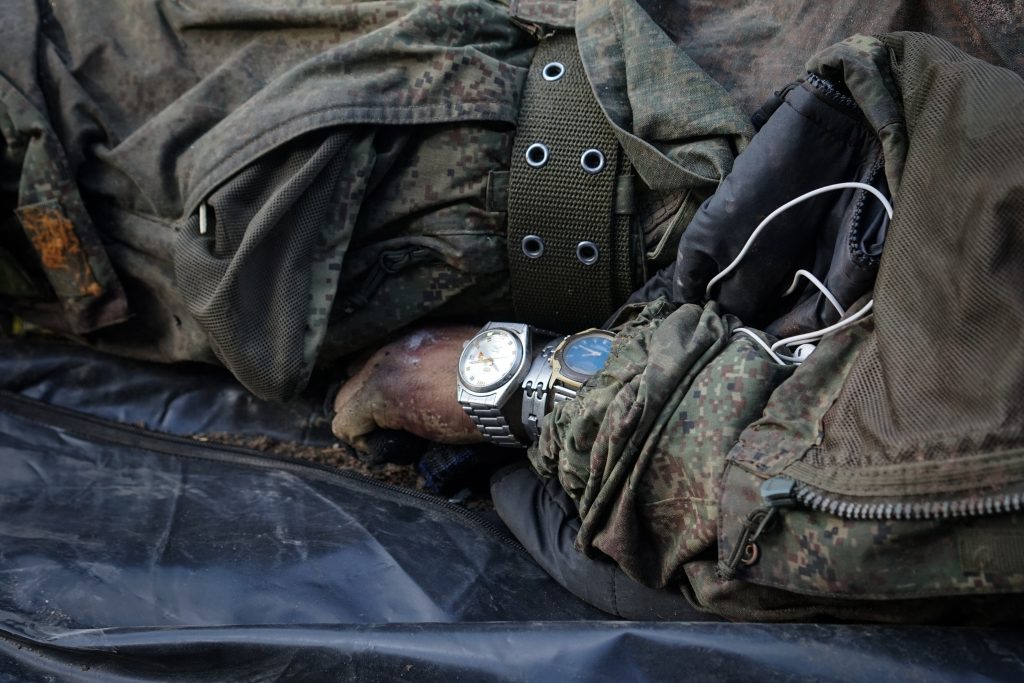
Casualties continue to mount in southern Lebanon, with the Israeli army confirming the death of a soldier in recent combat operations.[2] This incident marks yet another loss for Israeli forces operating in the area, highlighting the risks associated with ground engagements despite the prevailing ceasefire.[5] In a related report, another Israeli soldier was killed and nine others injured, bringing the cumulative toll to 15 soldiers killed since hostilities intensified on March 2.[5]
These figures paint a picture of sustained lethality on the battlefield, where even limited skirmishes result in significant personnel losses. The most recent fatality, as announced by the Israeli army, occurred amid operations that blur the lines between active combat and post-ceasefire stabilization efforts.[2][5] The nine injuries accompanying the latest death further strain Israel's military resources, necessitating medical evacuations, rehabilitation, and potential reinforcements to maintain operational tempo.[5] Since March 2, the steady accumulation of 15 deaths—averaging roughly one every few days—demonstrates the ceasefire's fragility, as sporadic exchanges persist.[5]
In the conflict Lebanon, such casualties are not isolated but part of a pattern where Israeli troops face ambushes, improvised explosive devices, or direct confrontations while securing advanced positions. The army's public statements on these losses serve to update the public and underscore the human cost of maintaining the forward defense line detailed in their recently released map.[1][5] Each incident prompts internal reviews of tactics, equipment, and intelligence, potentially influencing future deployments. The persistence of these deaths and injuries, even under ceasefire conditions, raises questions about enforcement mechanisms and the willingness of both sides to fully disengage.
Infrastructure Repairs in Lebanon
Lebanon is making tangible progress in restoring vital transport links in its southern regions, battered by the recent fighting.[3] The Lebanese Armed Forces have announced the full reopening of the Khardali-Nabatieh road, a critical artery connecting inland areas to coastal hubs.[3] Additionally, the Burj Rahal-Tyre bridge has been partially reopened, allowing limited traffic while repairs continue.[3] These efforts are part of a broader initiative by specialized army units to rehabilitate infrastructure damaged over the past weeks.
Ongoing work also targets the Tayr Falsay-Tyre bridge, conducted in cooperation with the National Authority for the Litani River, following damage attributed to Israeli actions.[3] The statement from the Lebanese Armed Forces emphasizes that restoration of key transport links remains a priority, aiming to alleviate disruptions for civilians reliant on these routes for daily movement, commerce, and access to services. In southern Lebanon, where conflict has repeatedly severed connections between villages and urban centers, such repairs are essential for economic recovery and population stability.
The partial reopening of the Burj Rahal-Tyre bridge, for instance, facilitates cautious passage but underscores the incomplete nature of recovery, as full structural integrity is still being addressed.[3] Similarly, the Khardali-Nabatieh road's complete accessibility marks a milestone, potentially boosting local agriculture and trade in Nabatieh, a stronghold area. These developments occur against the backdrop of Israeli military advances, which have strained Lebanon's ability to maintain sovereignty over its southern territories.[1][3] By prioritizing these projects, Lebanon signals resilience, but the collaboration with entities like the Litani River authority highlights inter-agency coordination challenges in a war-affected zone.[3]
International Reactions
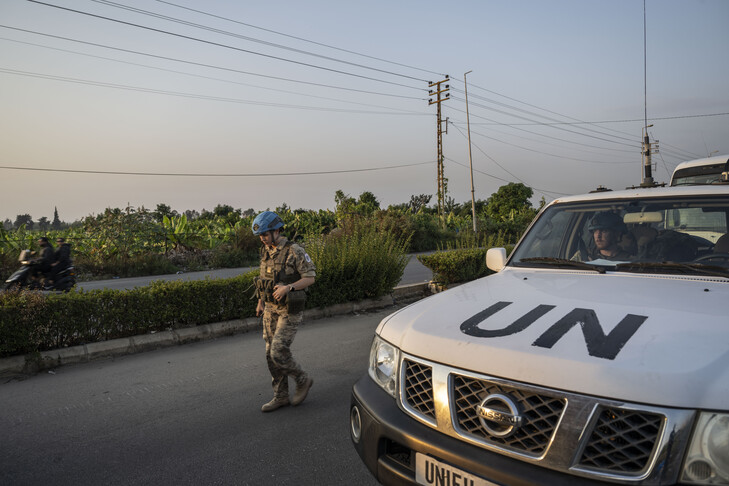
Indonesia has voiced its condolences to France over the death of a French peacekeeper serving with the UN Interim Force in Lebanon (UNIFIL).[4] This expression of sympathy reflects broader international concern for the safety of multinational forces deployed to monitor the fragile ceasefire along the Israel-Lebanon border.[4] UNIFIL's role, established under UN Security Council resolutions, involves patrolling southern Lebanon to prevent hostilities and support Lebanese government authority, making the loss of any peacekeeper a poignant reminder of the mission's hazards.
Indonesia's statement, as a nation contributing to global peacekeeping efforts, underscores a collective diplomatic solidarity amid the conflict Lebanon.[4] Such reactions often amplify calls for enhanced protection of blue-helmet troops and stricter adherence to ceasefire terms by all parties. The French peacekeeper's death adds to the toll on international personnel, potentially prompting reviews of UNIFIL's operational protocols and deployment strategies.
Overall Context of the Conflict
The conflict Lebanon encapsulates a complex interplay of military advances, human losses, and recovery efforts, as evidenced by recent disclosures from involved parties.[1][5] Israel's release of a map showing its forward defense line and 12-kilometer incursion, coupled with vows to hold occupied areas, frames a strategy of entrenched positioning.[1] This occurs alongside persistent casualties, including the latest soldier killed and nine injured, elevating the total to 15 deaths since March 2 despite the ceasefire.[5]
These elements tie into Lebanon's infrastructure rehabilitation, where reopened roads and bridges signal tentative normalcy amid ongoing risks.[3] International responses, such as Indonesia's condolences for the French UNIFIL peacekeeper, highlight global stakes in stabilizing the region.[4] Collectively, the sources reveal a scenario where ceasefire declarations have not halted kinetic activity, territorial assertions, or collateral impacts on civilians and infrastructure.[1][5] The 15 Israeli fatalities since early March illustrate the grinding nature of post-March 2 engagements, challenging the truce's efficacy.[5] Israel's mapped positions suggest preparations for prolonged vigilance, potentially setting the stage for diplomatic standoffs over withdrawal timelines.[1]
This overview situates individual events within a continuum of escalation and restraint, where military maps, casualty tallies, and repair announcements collectively narrate a border zone in flux.[1][5]
What to watch next: Observers should monitor Israeli intentions regarding control of occupied areas, potential further casualties despite the ceasefire, and progress on Lebanese infrastructure repairs like the Tayr Falsay-Tyre bridge.[1][3][5]