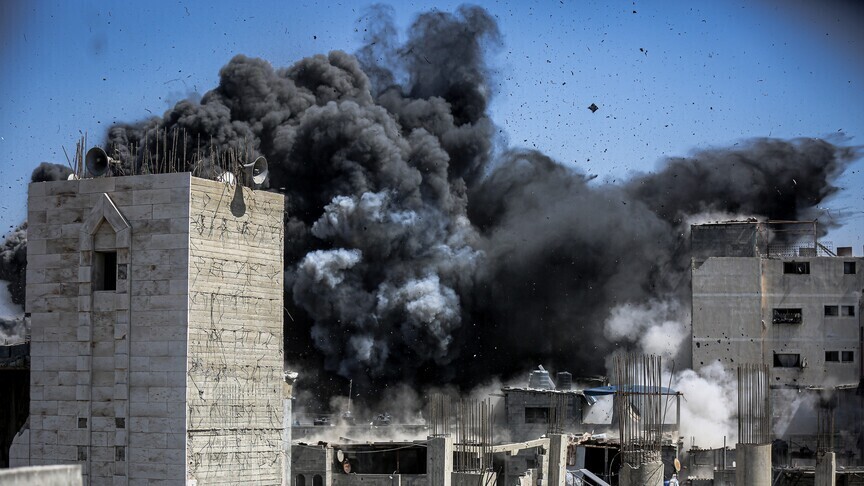
War in Iran: Over 415 US Troops Wounded in Conflict
On day 53 of the war in Iran, which has seen the United States and Israel engaged in conflict with Iran, the Pentagon has reported that over 415 US service members have been wounded.[3] This figure underscores the ongoing intensity of operations, with diplomatic efforts stalled and timelines for resolution repeatedly adjusted.[1][2]
Overview of the Conflict
The US-Israel conflict with Iran has reached day 53, marking more than seven weeks of sustained military engagement.[1] This duration highlights the protracted nature of the war in Iran, where initial operations have evolved into a complex confrontation involving multiple fronts. Al Jazeera's coverage on this specific day provides a snapshot of the situation, noting that the conflict continues amid stalled diplomatic initiatives.[1] The general context involves US and Israeli forces conducting operations against Iran, as referenced in Pentagon updates tied to the broader war effort.[3][4]
From the outset, the war in Iran has been characterized by its rapid escalation and the involvement of US military branches across various theaters. Day 53 represents a critical milestone, as the conflict shows no immediate signs of abating, with reports emphasizing the persistence of hostilities.[1] The Pentagon's tracking of casualties further illustrates the operational scope, linking back to the start of specific missions against Iran.[4] This overview captures the current status: a war in Iran that has endured for 53 days, with the US deeply committed alongside Israel, facing resistance that has resulted in significant personnel impacts.[1][3]
The context of day 53 also reflects broader military commitments, including the deployment of air assets and ground elements, as inferred from casualty distributions across services.[3] While the exact triggers of the conflict are not detailed in the latest updates, the ongoing nature on this day points to a sustained campaign, with diplomatic channels under severe strain.[1] This stage of the war in Iran has seen a convergence of military actions and failed peace overtures, setting the scene for continued uncertainty.[1][2]
Diplomatic Efforts and Challenges
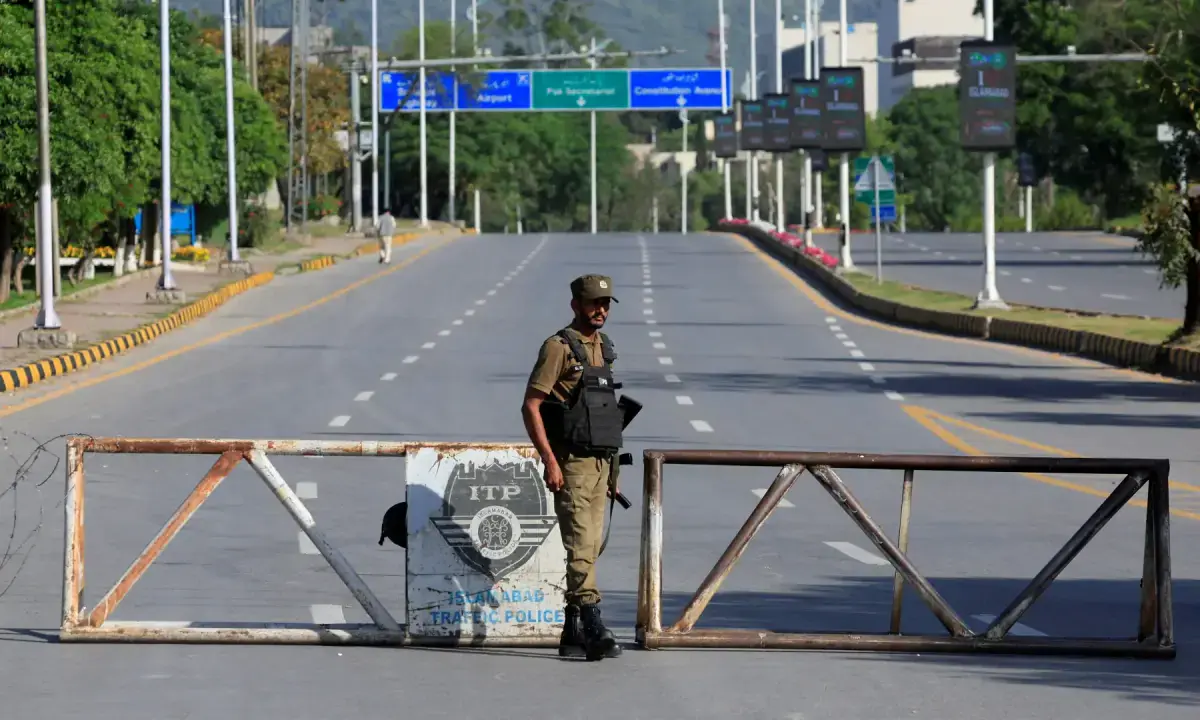
Diplomatic efforts to end the US-Israel war on Iran remain stalled, primarily due to Tehran's rejection of talks while under pressure.[1] This rejection has created a significant impasse, halting progress toward de-escalation on day 53 of the conflict.[1] Meanwhile, attention has shifted toward Islamabad as a potential venue for US-Iran negotiations, amid evolving expectations for a second round of talks.[2]
The role of Pakistan's capital, Islamabad, has emerged as central to these fragile diplomatic prospects.[2] As Washington navigates internal pressures, the focus on Islamabad underscores a pivot in strategy, possibly leveraging regional dynamics to facilitate dialogue.[2] However, the ceasefire remains under strain, complicating these initiatives.[2] Tehran's stance against engaging in talks under duress has been a recurring theme, directly impeding multilateral or bilateral resolutions.[1]
These challenges are compounded by the parallel conduct of military operations, which continue to overshadow negotiation attempts.[2] The stalled efforts highlight the difficulties in achieving a breakthrough, with Iran's position firm amid ongoing hostilities.[1] Islamabad's prominence in this context suggests that third-party mediation could play a key role, though success remains uncertain given the entrenched positions.[2]
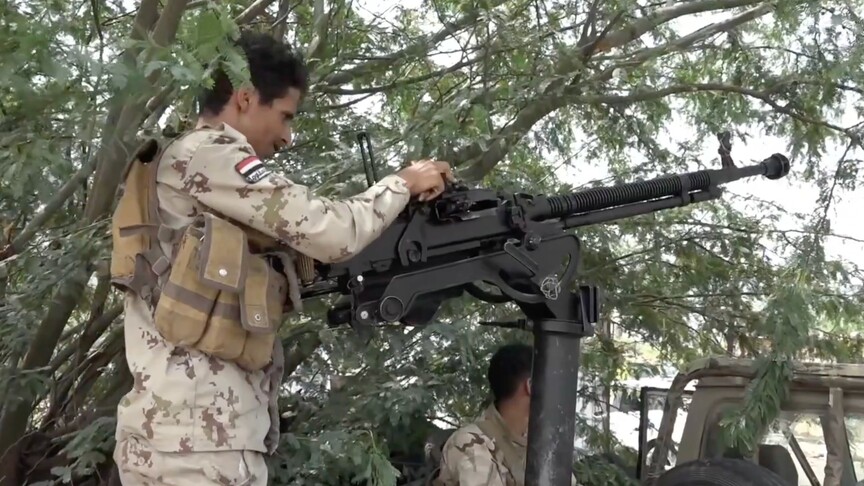
US troops wounded in the Iran conflict as the war continues. — Source: dawn
President Trump's Shifting Timelines
President Donald Trump has repeatedly adjusted the projected timeline for concluding the war with Iran, moving from initial predictions of "days" to "weeks," then "five weeks," and most recently to simply "soon."[2] These shifts reflect the fluid nature of the conflict's trajectory as communicated from Washington.[2] The evolving rhetoric comes at a time when diplomatic focus has turned to Islamabad, adding layers to the expectations surrounding resolution.[2]
This pattern of timeline adjustments underscores the challenges in forecasting an end to the war in Iran, with each revision indicating prolonged engagement.[2] Trump's statements, reported in the context of mounting pressures, have influenced perceptions of the conflict's duration, now extending well beyond initial estimates into day 53.[1][2] The move to a vague "soon" suggests flexibility in strategy, potentially tied to diplomatic overtures via Islamabad.[2]
The implications of these changes are evident in the strained ceasefire dynamics and regional tensions, where military actions persist alongside calls for talks.[2] Such shifts maintain public and international attention on the war in Iran, while highlighting the administration's adaptive approach amid operational realities.[2]
Military Casualties and Updates
The Pentagon has updated its figures, stating that 415 US service members have been wounded in the war involving Iran.[3] This total includes a breakdown across branches: 271 from the Army, 63 from the Navy, 62 from the Air Force, and 19 Marines.[3] These numbers reflect casualties reported as the conflict continues, demonstrating the multi-branch involvement in operations against Iran.[3]
Additionally, Pentagon data indicates that 13 US service members have been killed since the start of Operation Epic Fury against Iran.[4] Reports also reference over 410 wounded, aligning closely with the more precise 415 figure provided in recent updates.[4][3] The inclusion of Air Force assets landing at bases like Pakistan's Nur Khan military airbase in Rawalpindi illustrates the logistical support underpinning these operations.[3]
These casualty statistics provide a grim measure of the war in Iran's toll on US forces, with the breakdown revealing the Army bearing the heaviest losses.[3] The Pentagon's ongoing updates emphasize the sustained pace of engagements, linking back to the initiation of Operation Epic Fury.[4] As day 53 unfolds, these figures serve as a barometer of the conflict's intensity across services.[3][4]
Escalating Tensions and Regional Dynamics
Tensions in the war in Iran are escalating, with military signaling occurring alongside economic volatility and strain on ceasefire efforts, particularly in the Strait of Hormuz.[2] The Strait of Hormuz has become a focal point of concern, where disruptions threaten global trade routes amid the conflict.[2] This regional dynamic amplifies the risks, as military posturing continues in parallel with diplomatic maneuvers.[2]
The ceasefire's fragility is evident in these areas, where actions in the Strait of Hormuz could precipitate further confrontations.[2] Economic volatility tied to the war in Iran affects markets sensitive to energy flows through this chokepoint.[2] Military signaling from involved parties serves to deter escalation while maintaining pressure, creating a tense balance.[2]
Islamabad's role in potential talks intersects with these dynamics, as regional actors monitor developments in the Strait of Hormuz.[2] The combination of these factors illustrates how local flashpoints contribute to the broader war in Iran, challenging containment efforts.[2]

A US Air Force C-17 aircraft prepares to land at a Pakistani military airbase. — Source: middleeasteye
Broader Implications
The war in Iran has given rise to sharply diverging political narratives in Washington and Tehran, complicating resolution paths.[2] These narratives reflect entrenched positions, with diplomacy unfolding in parallel to military actions.[2] The strain on ceasefire efforts and focus on venues like Islamabad highlight the multifaceted nature of the conflict.[2]
Political divergences underscore the challenges in aligning stakeholders, as economic and military pressures mount.[2] This parallel track of talks and operations defines the current phase, with implications for regional stability.[2] The broader context on day 53 reveals a conflict where narrative battles rival battlefield ones.[1][2]
What to watch next: Keep an eye on developments in Islamabad for potential US-Iran talks, President Trump's next update on the "soon" timeline for ending the war, and Pentagon casualty reports amid ongoing operations in the Strait of Hormuz.[2][3][4]