:quality(30):format(webp):focal(0.5x0.5:0.5x0.5)/surabaya/foto/bank/originals/Trump-Kehabisan-Amunisi-Selama-Perang-Iran-Israel-Ini-Penyebab-Stok-Rudal-Pentagon-Menipis.jpg)

War in Iran: Hormuz Strait Shut Again Amid Ongoing Tensions
Iran has shut the Hormuz Strait again, escalating tensions in the ongoing war iran initiated by the US and Israel.[2] This move follows a brief reprieve in the deadlock, reimposing restrictions on this critical energy choke point and injecting fresh uncertainty into the conflict.[2] As updates continue to emerge, the situation underscores the volatile dynamics at play in the war iran, with diplomatic efforts stalling and military challenges mounting for involved parties.[2][3]
Current Developments in the Iran War
The reclosure of the Hormuz Strait marks a significant escalation in the current phase of the war iran, coming just after Iran had issued an order to reopen the vital waterway.[2] This u-turn by Iran on Saturday has returned the region to a state of deadlock, heightening concerns over global energy supplies and maritime security in the Persian Gulf.[2] The Hormuz Strait, long recognized as a chokepoint for oil shipments, now stands shut once more, amplifying the strategic pressures on all sides engaged in the war iran.[2]
In the broader context of recent developments, this action adds layers of complexity to the ongoing hostilities. Iran's decision disrupts previous momentum toward de-escalation, even if temporary, and signals a hardening of positions amid the protracted war iran.[2] Military and naval movements in the area have likely intensified as a result, though specific operational details remain tied to the live updates tracking the conflict's progression.[2] The brief reprieve had offered a glimpse of potential stabilization, but its swift reversal underscores the fragility of any progress in the war iran.[2]
Analysts monitoring the situation note that such maneuvers at Hormuz are not isolated but part of a pattern of tactical responses in the war iran, where control over sea lanes serves as leverage in both military and economic domains.[2] The shutdown's timing aligns with other pressure points in the conflict, potentially aimed at influencing negotiations or countering perceived aggressions from the US and Israel.[2] As live updates from the war iran continue to roll in, the international community watches closely for ripple effects on shipping routes and energy markets, though immediate impacts are still unfolding.[2]
This development fits into a sequence of back-and-forth actions that have characterized the war iran since its outset. The reimposition of the blockade revives immediate risks of confrontation in the strait, where naval forces from multiple nations patrol amid heightened alert levels.[2] Iran's move, described in real-time coverage, emphasizes the ongoing uncertainty that defines the war iran, with each closure threatening to prolong the stalemate.[2]
Background of the US-Iran Conflict
The war iran traces its origins to February 28, when the US and Israel launched operations against Iran, setting the stage for the current confrontation.[2] This initiation marked a pivotal shift, transforming longstanding tensions into open hostilities that have since defined regional geopolitics.[2] The involvement of these key parties—the US, Israel, and Iran—has shaped the conflict's trajectory, with strategic objectives centered on security, influence, and deterrence in the Middle East.[2]
From the outset, the war iran has been framed as a direct response by Iran to the actions of the US and Israel, leading to a cycle of retaliatory measures.[2] The February 28 launch point serves as a critical timeline marker, after which escalations have included naval restrictions and military engagements.[2] Historical animosities between the US and Iran, compounded by Israel's security concerns, provided the backdrop, but the explicit start date anchors the conflict's modern phase.[2]
Understanding the background requires recognizing the roles of the primary actors. The US and Israel's coordinated initiation on February 28 positioned them as aggressors in Iran's narrative, prompting defensive and counteroffensive strategies.[2] This framing has persisted throughout the war iran, influencing diplomatic rhetoric and military posturing.[2] The conflict's roots, while deep, crystallized in that late-February action, leading to the Hormuz-related tensions that persist today.[2]
The war iran's background also highlights the interconnected nature of alliances and rivalries. Iran's responses, such as the Hormuz maneuvers, directly counter the initial US-Israel offensive, creating a tit-for-tat dynamic.[2] Coverage of the war iran consistently references this origin point, underscoring how early decisions continue to reverberate through subsequent developments.[2]
Status of Negotiations
Iran has reported good progress in talks with the US amid the war iran, yet no deal has been reached, leaving diplomatic channels open but unresolved.[2] This assessment from Iranian statements comes even as military tensions, like the Hormuz reclosure, persist, illustrating the parallel tracks of dialogue and confrontation in the war iran.[2]
The negotiations represent a potential off-ramp from escalation, with Iran's acknowledgment of progress suggesting some alignment on key issues.[2] However, the absence of a finalized agreement indicates persistent gaps, possibly over terms related to the war iran's conduct, sanctions, or territorial concessions.[2] Live updates on the war iran emphasize this limbo state, where optimism is tempered by the lack of concrete outcomes.[2]
Iran's position in the talks appears firm, leveraging battlefield developments like the Hormuz shutdown to strengthen its bargaining power.[2] Despite the reported advancements, the stalled deal underscores the challenges of bridging divides forged since the February 28 initiation.[2] Stakeholders in the war iran continue to monitor these discussions closely, as any breakthrough could alter the conflict's course, though current indications point to ongoing impasse.[2]
The status quo in negotiations reflects broader patterns in the war iran, where diplomatic overtures coexist uneasily with military actions.[2] Iran's public comments on good progress serve to signal flexibility, but the no-deal reality keeps pressures elevated.[2]
Military Aspects and Shortages
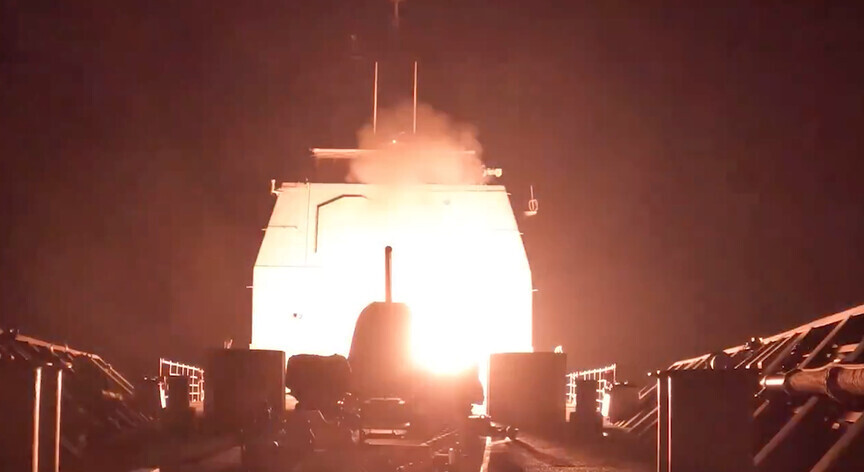
Trump's administration encountered ammunition shortages during the Iran-Israel war, contributing to depleted Pentagon missile stocks.[3] This revelation highlights logistical vulnerabilities that have plagued US operations in the war iran, where sustained missile usage has strained resources.[3]
The shortages stem from the intensity of engagements in the Iran-Israel war phase, which overlaps with the broader war iran narrative.[3] Pentagon stocks of missiles have notably thinned, impacting the ability to maintain pressure on Iranian positions.[3] During Trump's tenure, these deficiencies became evident, forcing adaptations in tactical planning amid the war iran.[3]
Military aspects of the war iran thus include not just frontline clashes but also supply chain pressures. The depletion of missile inventories points to overreliance on precision strikes, a hallmark of US strategy against Iran.[3] This has ripple effects, potentially slowing offensive tempo and giving Iran breathing room in the Hormuz theater.[3]
Reports detail how the Iran-Israel war's demands exhausted reserves, with Trump's administration scrambling to replenish amid ongoing needs.[3] In the context of the war iran, such shortages underscore the high costs of prolonged conflict, affecting deterrence credibility.[3]
Recent Reports on the War
Recent publications have shed light on multifaceted elements of the war iran, including temporal analyses and military setbacks.[1][3] One report, titled "Ba chiếc đồng hồ trong cuộc chiến Iran" or "Three Clocks in the Iran War," published on April 19, 2026, offers a unique perspective on timing and phases within the war iran, though specifics remain encapsulated in its evocative framing.[1] Complementing this, coverage of Trump's ammunition woes during the Iran-Israel war details the causes behind the Pentagon's missile stock depletion, published just prior on April 18, 2026.[3]
These reports collectively paint a picture of a war iran marked by chronological intricacies and resource strains.[1][3] The "three clocks" metaphor suggests layered timelines—perhaps operational, diplomatic, or strategic—in the war iran, inviting deeper scrutiny of event sequencing.[1] Meanwhile, the ammunition crisis reveals practical limits on US capabilities, with the Iran-Israel war's ferocity as the culprit.[3]
In synthesizing recent reports, the war iran's narrative emerges as one of endurance testing both sides.[1][3] Trump's era shortages, tied to missile overuse, align with Hormuz escalations, amplifying operational challenges.[3] Such insights from April 2026 publications keep the war iran in sharp focus, documenting its evolving dimensions.[1][3]
What to watch next: Monitor for any shifts in Hormuz status or breakthroughs in US-Iran talks, as Iran's reports of progress remain unfulfilled amid the reimposed deadlock and ongoing ammunition concerns.[2][3]