
War in Iran Drives Up Fossil Fuel Prices, Boosting Green Hydrogen Viability
The war in Iran has caused soaring fossil fuel prices, making green hydrogen economically viable in Asia and disrupting global supply chains.[1][3] Soaring oil and gas prices triggered by the conflict have narrowed the cost gap between green hydrogen and fossil fuels, potentially spurring greater adoption across Asia.[1] Meanwhile, the war has led to higher medicine prices and shortages in rural Sudan, complicating access to essential supplies for residents.[2] Companies in sectors ranging from consumer goods to aviation report elevated costs, supply chain interruptions, and waning consumer confidence due to the war in Iran.[3] Debate persists over whether US-Israeli actions amount to a Pyrrhic victory, as Iran's resilience amid the fighting raises questions about long-term outcomes.[4]
Overview of the Iran War and Its Immediate Triggers
The war in Iran erupted in late February, marking a significant escalation in Middle East tensions.[1][3] Described as an eight-week US-Israeli military campaign against Iran, the conflict quickly disrupted key energy infrastructure and trade routes.[1] A pivotal trigger was Tehran's decision to close the Strait of Hormuz, a critical chokepoint for global oil shipments, which immediately propelled fuel prices upward.[1] This closure compounded pressures on international markets already strained by prior economic challenges.
Iranian responses further intensified the situation, including strikes on Qatar's Ras Laffan liquefied natural gas (LNG) complex, which hampered LNG exports and contributed to volatility in Asian fuel markets.[1] These actions sent shockwaves through energy supply networks, with oil and gas prices soaring as a direct result.[1] President Donald Trump has prematurely claimed victory in the war, citing the killing of Iran's leader and the severe degradation of its military capabilities.[4] However, analysts argue that Iran's ability to endure the onslaught has paradoxically strengthened the Islamic Republic's position, fostering a narrative of survival against overwhelming odds.[4]
The conflict's rapid progression—from outbreak to sustained hostilities—has overshadowed other global issues, drawing intense focus to the region.[5] Sources highlight how these immediate triggers, including naval blockades and targeted strikes, have not only prolonged the fighting but also embedded economic ripple effects from the outset.[1][4] The US-Israeli operations, while achieving tactical successes like leadership decapitation, face scrutiny for potentially empowering Iran's domestic resolve.[4] This overview underscores the war's foundation in direct military confrontations and strategic retaliations, setting the stage for widespread repercussions.[1][4]
Economic and Energy Impacts
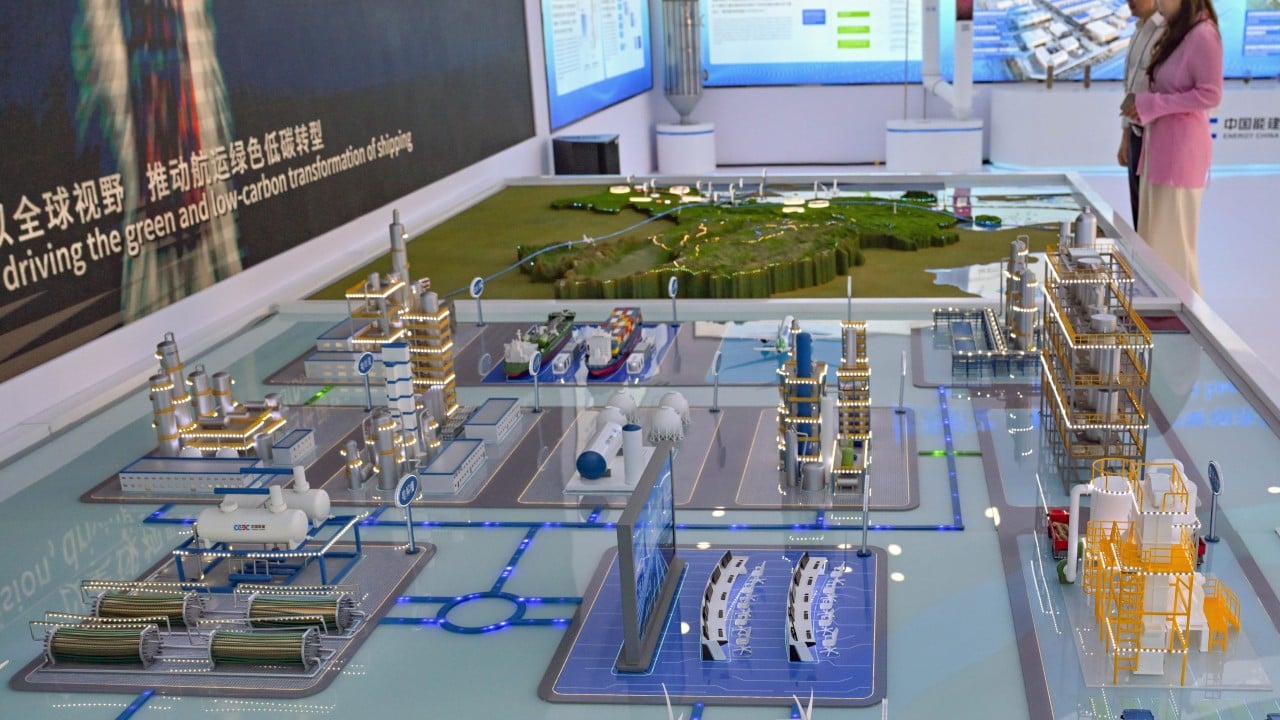
The war in Iran has fundamentally altered energy economics, particularly by driving fossil fuel prices to unprecedented heights.[1] Since the February outbreak, oil and gas markets have experienced sharp surges, attributed to the closure of the Strait of Hormuz and attacks on Qatar's LNG facilities.[1] These disruptions have narrowed the longstanding cost disparity between green hydrogen—a zero-emission alternative—and traditional fossil fuels, rendering it economically competitive for the first time in many Asian markets.[1]
What took years of climate policy incentives to achieve, the war accomplished in just two months: positioning green hydrogen as a viable option for broader adoption.[1] Asian importers, heavily reliant on Middle Eastern energy, now face sustained high prices that incentivize shifts toward cleaner technologies.[1] The eight-week duration of the US-Israeli campaign has entrenched these trends, with executives noting persistent pressures on input costs.[3]
Beyond energy, the conflict has amplified broader economic strains. Companies across industries report that the war is lifting operational expenses, from raw materials to logistics.[3] This comes atop pre-existing headwinds like US tariffs and softening demand, darkening financial projections amid the earnings season.[3] Fuel price volatility has forced businesses to reassess supply strategies, with some maintaining full-year forecasts but issuing cautious warnings.[3] The interplay of military actions and market reactions illustrates how the war in Iran is reshaping economic landscapes, particularly in energy-dependent regions like Asia.[1][3]
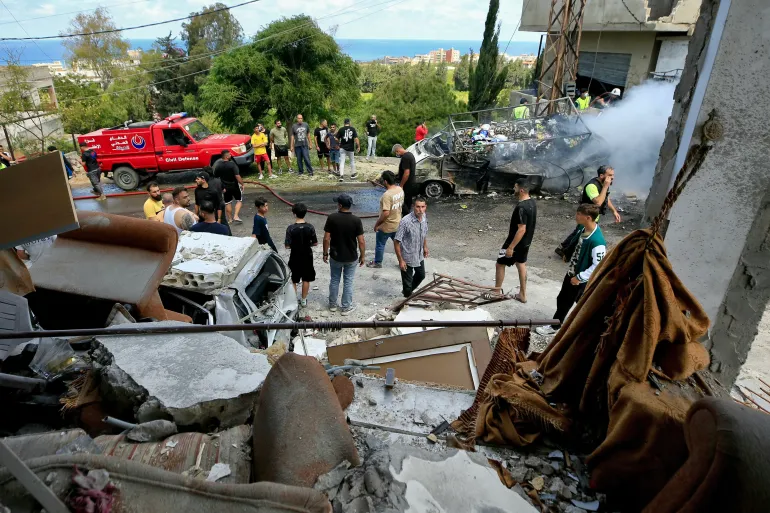
Residents in rural Sudan struggle with medicine shortages caused by the Iran war. — Source: newsmax
Global Supply Chain Disruptions
The war in Iran has inflicted severe disruptions on global supply chains, affecting companies from manufacturing to services.[3] Firms in sectors as diverse as paint production, aviation, and mining have flagged interruptions stemming directly from the conflict.[3] These issues compound earlier challenges, including higher input costs and tariffs, leading to clouded outlooks during the current earnings reporting period.[3]
Executives emphasize that the US-Israeli war with Iran is not only elevating costs but also eroding supply reliability.[3] Travel and consumer goods companies, in particular, note logistical bottlenecks that hinder operations.[3] While some have held steady on annual guidance, the pervasive caution reflects deep uncertainty injected by the hostilities.[3] The war's impact extends to international trade flows, mirroring patterns seen in prior geopolitical shocks but amplified by energy chokepoints like the Strait of Hormuz.[1][3]
These chain reactions underscore the interconnectedness of modern commerce, where a Middle East conflict reverberates worldwide.[3] Businesses warn that without resolution, these disruptions could persist, further straining profitability and investment plans.[3]
Humanitarian Effects in Affected Regions
Far from the frontlines, the war in Iran has exacerbated humanitarian challenges in distant areas like rural Sudan.[2] Residents report that medicine access, already difficult, has worsened dramatically since the conflict began.[2] In villages outside Sudan's capital, individuals like Abbas Awad face skyrocketing prices and empty pharmacy shelves.[2]
The Middle East war's far-reaching effects have spiked costs for essential drugs and triggered widespread shortages.[2] Local pharmacies in affected rural zones are frequently out of stock, leaving communities vulnerable to health risks.[2] This situation highlights how global disruptions from the war—such as shipping delays and inflated commodity prices—trickle down to vulnerable populations.[2][3]
Compounded by supply chain woes reported by international firms, these shortages illustrate the human cost of economic fallout.[3] Sudan's rural dwellers, dependent on fragile import networks, bear the brunt as the war indirectly tightens medicine availability.[2]

The Iran war raises costs for industries from paint to aviation. — Source: korea-herald
Political and International Repercussions
The war in Iran carries profound political implications, fueling debates over its ultimate success.[4] President Trump's assertion of victory—premised on eliminating Iran's leader and crippling its forces—contrasts with arguments portraying it as a Pyrrhic win.[4] Iran's survival through the onslaught is seen by some as bolstering the regime, enhancing its legitimacy despite military setbacks.[4]
Internationally, the conflict has diverted global attention from other crises, notably Russia's war in Ukraine.[5] Ukrainian President Volodymyr Zelenskyy warns that efforts to halt Moscow's aggression risk stalling until the Iran war concludes.[5] This redirection of focus poses serious threats to Ukraine's diplomatic momentum.[5]
The resilience narrative around Iran complicates US-Israeli strategies, potentially prolonging engagements.[4] Zelenskyy's call for immediate Ukraine talks underscores the war's broader geopolitical shadow, straining resources and priorities worldwide.[4][5]
Broader Implications for Businesses and Markets
Companies worldwide are grappling with the war in Iran's expansive fallout on operations and sentiment.[3] From consumer goods to heavy industry, warnings abound of cost escalations and supply fractures.[3] The conflict's timing—erupting amid weak demand—has intensified pressures, prompting executives to temper expectations.[3]
Aviation and mining sectors highlight disrupted chains, while paint manufacturers cite raw material hikes.[3] Consumer confidence erosion further dims prospects, as households cut back amid uncertainty.[3] Earnings calls reveal a unified caution, with firms navigating layered threats from the war.[3]
These dynamics signal prolonged market turbulence, as businesses adapt to a redefined risk environment shaped by the hostilities.[3]
What to watch next includes monitoring green hydrogen project announcements in Asia amid persistent fuel price highs,[1] company earnings updates on war-related cost pressures,[3] and Zelenskyy's push for Ukraine talks despite the distraction.[5]