
Strike in Lebanon: Five UN Peacekeepers Killed Since March Offensive
Five UN peacekeepers have been killed since Israel's offensive in Lebanon began on March 2, with UNIFIL calling for a permanent ceasefire and recognizing only the Blue Line.[1] The strike in Lebanon continues to escalate, marked by ambushes on UN personnel, widespread destruction of housing despite a ceasefire, upcoming diplomatic talks, and statements from religious leaders highlighting repeated violations.[1][2][5]
Overview of Recent Events
The ongoing strike in Lebanon has seen significant developments since Israel's offensive launched on March 2, resulting in the deaths of five UN peacekeepers.[1] UNIFIL has described the situation as a "dangerous escalation," emphasizing its recognition solely of the Blue Line as the relevant border demarcation and urging a permanent ceasefire to halt the violence.[1] This call comes amid continued military actions, including demolitions in southern Lebanon that have persisted even after a ceasefire took effect last week.[5]
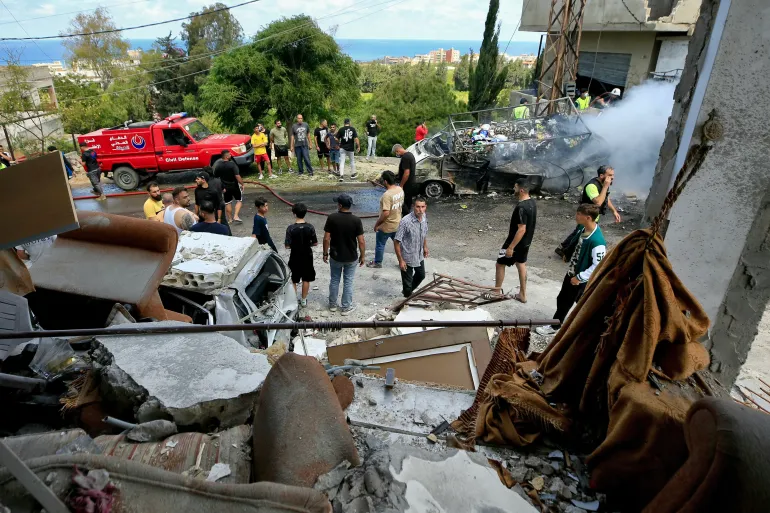
Reports indicate that the offensive has led to extensive physical damage, with the Israeli army destroying 428 housing units in Lebanese towns and cities south of the country over the past three days.[5] Lebanon's National Council for Scientific Research documented an additional 50 housing units damaged during the same period.[5] Prior to the ceasefire, the toll was even more substantial: 17,756 housing units completely destroyed and 32,668 others damaged over 46 days of conflict.[5] These figures underscore the scale of destruction in southern Lebanon, where operations have continued unabated despite the agreement.[5]
UNIFIL's interview highlights the precarious position of peacekeeping forces in this environment, where five personnel have lost their lives since the offensive began.[1] The force's insistence on the Blue Line reflects its operational boundaries, and the plea for a permanent ceasefire points to the instability threatening its mandate.[1] Meanwhile, incidents involving ambushes and strikes have compounded the challenges, drawing international attention to the need for de-escalation.[1][5]
The combination of personnel casualties and infrastructural devastation paints a picture of unrelenting conflict dynamics.[1][5] As talks loom between Israel and Lebanon, the recent events serve as a stark backdrop to diplomatic efforts aimed at addressing these breaches and losses.[5] The persistence of demolitions post-ceasefire raises questions about compliance, with 428 units razed in just three days signaling ongoing military activity in the region.[5]
Incidents Involving UN Peacekeepers
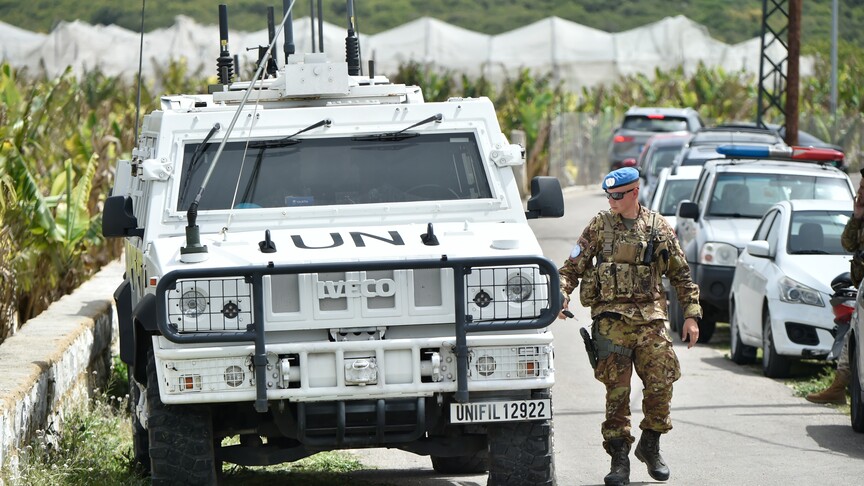
Attacks on UN peacekeepers have intensified since Israel's offensive in Lebanon started on March 2, with a total of five killed.[1] A particularly tragic development involved French soldiers serving with UNIFIL, where a second peacekeeper died on Wednesday from wounds sustained in a weekend ambush blamed on Hezbollah.[2] President Emmanuel Macron confirmed the death, noting it followed an incident on Saturday in which the first soldier, staff sergeant Florian Montorio, was shot dead.[2]
Hezbollah has denied responsibility for the ambush, which targeted UN peacekeepers in Lebanon.[2] This event marks the second French casualty from the same attack, highlighting the vulnerability of multinational forces operating in the area.[2] The loss of these soldiers contributes to the broader tally of five UN peacekeepers killed since the offensive began, as reported by UNIFIL.[1]
These incidents occur against the backdrop of UNIFIL's characterization of the situation as a "dangerous escalation."[1] The peacekeeping mission, tasked with monitoring the volatile border region, has faced direct threats that undermine its efforts to maintain stability.[1][2] The ambush's attribution to Hezbollah, despite denials, adds a layer of complexity to the conflict, intertwining non-state actors with military operations.[2]
Details of the Saturday ambush reveal the immediacy of the danger: staff sergeant Florian Montorio killed outright, and a second soldier succumbing to injuries days later.[2] Such events not only deplete UNIFIL's ranks but also strain international resolve, prompting renewed calls for protective measures and adherence to peacekeeping protocols.[1][2] The five deaths since March 2 illustrate a pattern of violence targeting those seeking to enforce calm amid the strike in Lebanon.[1]
{IMAGE_2}
Ceasefire Violations and Destruction
Despite a ceasefire coming into effect last week, the Israeli army has continued demolitions in southern Lebanon, destroying 428 housing units over the past three days.[5] Lebanon's National Council for Scientific Research reported that an additional 50 housing units sustained damage during this period.[5] These actions represent clear breaches of the ceasefire agreement, exacerbating the humanitarian impact in the region.[5]
The scale of destruction prior to the ceasefire was already immense: 17,756 housing units completely destroyed and 32,668 others damaged across 46 days.[5] The recent demolitions in Lebanese towns and cities south of the country indicate that military operations have not fully abated, with 428 units razed in a short span post-ceasefire.[5] This ongoing activity has left communities grappling with displacement and rebuilding challenges.[5]
The focus on southern Lebanon underscores the strategic nature of these demolitions, targeting areas near the border as defined by UNIFIL's Blue Line recognition.[1][5] The persistence of such violations despite the ceasefire agreement highlights enforcement difficulties and the fragility of truce terms.[5] Reports from the National Council for Scientific Research provide precise tallies, emphasizing the methodical documentation of losses.[5]
In the context of the broader offensive since March 2, these 428 destructions add to a cumulative toll that has reshaped southern Lebanon's landscape.[1][5] The additional 50 damaged units further compound recovery efforts, as families and authorities assess the full extent of harm.[5] UNIFIL's observations of dangerous escalation align with this pattern of post-ceasefire activity, reinforcing the need for verifiable compliance mechanisms.[1][5]
Diplomatic Efforts and Talks
Israel and Lebanon are scheduled for a second round of talks in Washington, set to start on Thursday amid ongoing tensions.[3] This development occurs as prospects for separate Iran-U.S. talks appear uncertain, with the Islamic Republic accusing the Americans of a "lack of good faith" in negotiations.[3] The bilateral meeting between Israel and Lebanon represents a key diplomatic avenue to address the conflict's escalation.[3]
The timing of these talks is critical, following the deaths of five UN peacekeepers and continued demolitions in southern Lebanon.[1][3][5] Washington's role as host underscores international involvement in seeking resolutions to the strike in Lebanon.[3] While details of the agenda remain focused on Israel-Lebanon dynamics, the limbo surrounding Iran-U.S. discussions provides contextual pressure.[3]
This second round builds on prior engagements, aiming to navigate ceasefire violations and border security issues.[3][5] The accusations of bad faith in parallel talks highlight broader regional strains influencing the Israeli-Lebanese dialogue.[3] Stakeholders will likely reference UNIFIL's positions, including its Blue Line recognition and ceasefire pleas.[1][3]
{IMAGE_3}
Statements from Officials and Leaders
The Orthodox Archbishop has stated that Israel's attacks on religious sanctities in Lebanon are "not surprising," citing the Israeli army's long record of violations.[4] Elias Kfoury conveyed this view in an interview with Anadolu, emphasizing a pattern of disregard for sacred sites.[4]
This perspective from religious leadership adds a cultural and historical dimension to the conflict's reporting.[4] Kfoury's remarks align with documented escalations, including those affecting peacekeeping and civilian infrastructure.[1][4][5] The archbishop's observation of repeated violations frames current events within a continuum of military conduct.[4]
Such statements from figures like Kfoury provide insight into local sentiments amid the offensive since March 2.[1][4] They resonate with UNIFIL's warnings of dangerous escalation and calls for permanent measures.[1][4]
UNIFIL's Position and Calls for Ceasefire
UNIFIL has firmly stated that it recognizes only the Blue Line, calling for a permanent ceasefire in response to the dangerous escalation.[1] This position was articulated in an interview, directly linking the plea to the deaths of five peacekeepers since Israel's offensive began on March 2.[1]
The peacekeeping force's stance emphasizes operational clarity amid ambushes and violations.[1][2] By recognizing solely the Blue Line, UNIFIL delineates its monitoring scope, rejecting alternative boundaries in the strike in Lebanon.[1] The demand for permanence in any ceasefire reflects concerns over repeated breaches, such as the post-truce demolitions.[1][5]
This interview underscores UNIFIL's role as a mediator caught in crossfire, with five casualties illustrating the risks.[1] The "dangerous escalation" label encapsulates the convergence of attacks on personnel and infrastructure.[1]
What to watch next: Observers should monitor the second round of Israel-Lebanon talks in Washington starting Thursday,[3] alongside UNIFIL's push for a permanent ceasefire recognizing only the Blue Line.[1] Continued reporting on ceasefire compliance, including any further demolitions or ambushes, will be crucial.[2][5]