
War in Iran Depletes U.S. Missile Stockpiles Amid Rebuild Concerns
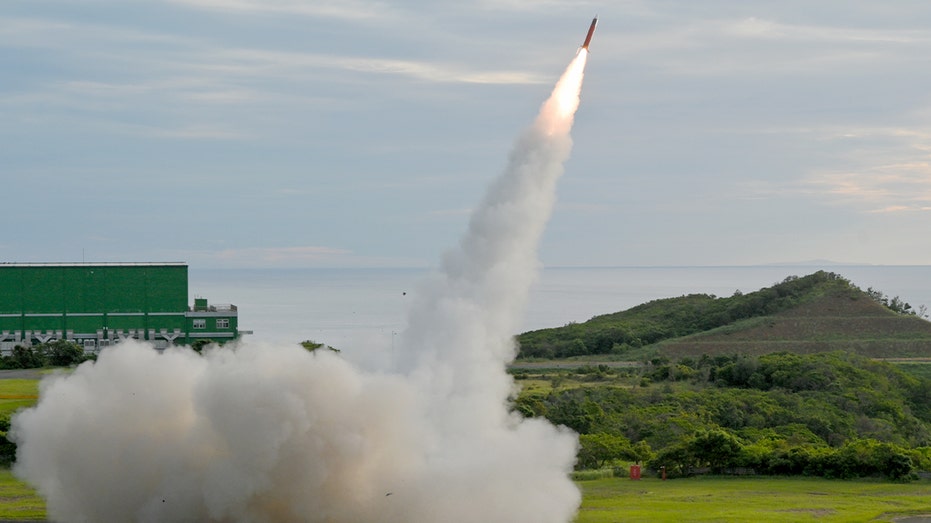
The U.S. has depleted roughly half of its Patriot missile stockpile during the Iran war, potentially requiring years to rebuild, as reported in a CSIS analysis.[1] This significant drawdown highlights the intense munitions consumption in the ongoing conflict, raising concerns about future defense readiness.
Key Global Impacts of the War in Iran
The war in Iran has triggered a cascade of effects across military, economic, humanitarian, and strategic domains. One major development is the depletion of critical U.S. missile stockpiles, with the Patriot systems bearing much of the burden.[1] Economically, the conflict has caused soaring oil and gas prices, which have unexpectedly made green hydrogen economically viable in Asia by narrowing the cost gap with fossil fuels.[2]
Humanitarian repercussions are evident far from the battlefield, as residents in rural Sudan report increased challenges in accessing medicines due to price spikes and shortages directly linked to the war.[3] Globally, the conflict is driving up costs for companies, disrupting supply chains, and darkening financial outlooks across industries such as consumer goods, travel, and mining.[4] Strategically, despite U.S. actions including the killing of Iran's leader, the war's outcome remains debated, with some arguing it has potentially strengthened Iran through its mere survival.[5]
These impacts underscore the war's far-reaching influence, originating from hostilities that erupted in late February and have persisted for about eight weeks.[2][4] The closure of the Strait of Hormuz by Tehran and strikes on Qatar's Ras Laffan liquefied natural gas complex have exacerbated energy market volatility, contributing to broader economic pressures.[2] Meanwhile, pre-existing challenges like U.S. tariffs and weak demand have compounded the strain on businesses.[4] In military terms, the high rate of munitions use signals a prolonged recovery period for U.S. stockpiles.[1] Humanitarian stories, such as those from rural Sudan, illustrate how distant conflicts can amplify local vulnerabilities.[3] Debates over Pyrrhic victories further complicate assessments of success.[5]
Overview of Military Impacts
The military dimensions of the Iran war have placed unprecedented strain on U.S. resources, particularly air defense systems. A CSIS analysis indicates that the U.S. may have expended approximately half of its Patriot missile stockpile during the conflict, a depletion described as draining critical inventories.[1] This rapid consumption looms over prospects for a yearslong rebuild, potentially leaving gaps in defensive capabilities against aerial threats.
Key developments include the U.S.-Israeli operations against Iran, which have involved intense engagements necessitating heavy munitions use.[2] President Donald Trump has claimed victory even before the conflict concludes, pointing to the killing of Iran's leader and the serious degradation of its military as achievements.[5] These actions represent significant blows to Iranian leadership and capabilities, yet the overall trajectory remains fluid.
However, the analysis extends beyond immediate losses. The survival of the Islamic Republic amid such pressures has fueled arguments that Iran could emerge stronger, having weathered the assault.[5] This perspective frames the conflict's military toll as potentially counterproductive, echoing concerns of a Pyrrhic victory where gains come at excessive cost. The Patriot stockpile drawdown exemplifies this, as replenishing advanced interceptors requires not only production ramp-ups but also sustained funding and industrial capacity.[1] The war's eight-week duration has already tested limits, with ongoing operations likely prolonging the challenge.[2]
U.S. involvement, alongside Israeli forces, has centered on countering Iranian responses, including disruptions to key maritime chokepoints.[2] The combination of leadership decapitation and military degradation underscores tactical successes, but the endurance of Iran's regime raises questions about long-term strategic outcomes.[5] As earnings from defense-related sectors might reflect indirectly through broader economic warnings, the focus remains on the direct munitions burnout.[1][4]

An ancient depiction of Pyrrhus's war elephants. — Source: asiatimes
Economic Effects on Energy Markets
The Iran war has profoundly reshaped energy markets, particularly in Asia, where fossil fuel price surges have altered the competitive landscape for alternative energies. What years of climate policy failed to achieve, the conflict accomplished in two months: rendering green hydrogen economically viable.[2] Soaring oil and gas prices since the February outbreak have narrowed the cost gap between this zero-emission fuel and its fossil rivals, opening pathways for wider adoption across the region.
Specific triggers include Tehran's closure of the Strait of Hormuz, a vital artery for global oil transit, and Iranian strikes on Qatar's Ras Laffan LNG complex.[2] These actions, part of the eight-week U.S.-Israeli war on Iran, have sent Asian fuel prices skyrocketing, disrupting supplies and inflating costs.[2] The result is a market shift where green hydrogen, previously hindered by higher production expenses, now competes more favorably.
This viability stems from the intensified hostilities that began in late February, amplifying supply risks in a region heavily reliant on Middle Eastern imports.[2] Policymakers and investors in Asia now see accelerated uptake potential, as the economic calculus tilts toward renewables amid fossil fuel volatility. The war's energy disruptions extend beyond immediate pricing, influencing investment decisions and infrastructure planning for hydrogen projects.
Broader implications tie into global financial pressures, where elevated fuel costs ripple through industries.[2][4] For Asian markets, this represents a pivotal moment, potentially hastening the transition to cleaner energy sources despite the conflict's origins in geopolitical tensions.
Global Supply Chain Disruptions
The war in Iran is exerting widespread pressure on global businesses, from consumer goods to travel and mining sectors, as costs rise and supply chains fracture.[4] Companies have warned that the U.S.-Israeli conflict with Iran, erupting in late February, is driving up expenses, disrupting logistics, and eroding consumer confidence, thereby clouding financial outlooks.[4]
A Reuters report from London highlights this cautious tone during earnings season, with executives flagging the war's role in exacerbating pre-existing headwinds like U.S. tariffs, higher input costs, and weak demand.[4] The impact spans diverse areas—from paint production to airplane manufacturing—illustrating the breadth of vulnerabilities.[4] Firms in consumer goods face elevated raw material prices tied to energy surges, while travel operators grapple with fuel hikes and reduced demand amid uncertainty.[4]
Mining companies, too, report darkened prospects as supply chain interruptions delay shipments and inflate operational costs.[4] Although some have maintained full-year forecasts, the overall sentiment underscores mounting challenges. The conflict's timing, overlaying earlier economic strains, has intensified scrutiny on profitability and resilience.
These disruptions manifest in tangible ways: longer lead times for components, inventory shortages, and hedging against further volatility.[4] The war's ripple effects on global trade underscore interconnectedness, where Middle Eastern instability reverberates through manufacturing hubs and service industries alike.
{IMAGE_3}
Humanitarian Consequences
Humanitarian fallout from the Iran war extends to unexpected regions, including rural Sudan, where access to essential medicines has deteriorated sharply.[3] Residents like Abbas Awad, from a village outside Sudan's capital, have long faced challenges in obtaining pharmaceuticals, but the conflict has intensified these difficulties.[3]
Prices have spiked, and local pharmacies report widespread out-of-stock situations since the war's onset.[3] This Newsmax account portrays a direct link between Middle Eastern hostilities and African hardships, with the latest war amplifying far-reaching consequences.[3] Shortages disrupt treatment for common ailments, straining already vulnerable communities.
The mechanism involves global supply chain strains and inflated import costs, funneled through conflict-driven inflation.[3][4] Rural areas, dependent on distant distribution networks, suffer most as urban shortages cascade outward. Personal stories like Awad's highlight the human cost, where daily survival hinges on reliable medicine access now imperiled.[3]
Analysis of War Outcomes
Perspectives on the Iran war's results remain sharply divided, with claims of victory juxtaposed against notions of strategic setback.[5] President Trump has declared success prematurely, citing the elimination of Iran's leader and substantial military degradation as pivotal.[5] These accomplishments have weakened Tehran's command structure and operational capacity.
Yet, an Asia Times analysis questions whether this constitutes a Pyrrhic victory, arguing the Islamic Republic has grown stronger simply by surviving the onslaught.[5] Endurance amid U.S. and Israeli assaults bolsters Iran's narrative of resilience, potentially rallying domestic support and deterring future aggression.[5] The post notes this paradox: heavy losses inflicted, but regime intact and possibly fortified politically.
U.S. actions, including the leader's killing, represent high-profile escalations, but the unfinished conflict tempers celebrations.[5] Debates center on whether short-term tactical wins translate to enduring strategic gains, especially with Iran's persistence.[5] This framing draws on historical precedents of costly triumphs that fail to achieve decisive ends.
What to watch next: Monitoring U.S. efforts for a yearslong Patriot stockpile rebuild amid ongoing operations,[1] evolving corporate financial outlooks as supply disruptions persist,[4] and assessments of Iran's post-war strength following its survival.[5]