
War in Iran Depletes Half of US Patriot and THAAD Stockpiles
The war in Iran has depleted half of the US's Patriot and THAAD missile stockpiles, marking a significant strain on American defensive capabilities amid ongoing hostilities.[1] President Donald Trump has extended the ceasefire with Iran until it presents a proposal and talks conclude, though this move leaves peace negotiations in doubt without confirmed agreement from Iran or Israel.[2][4] Analysts point to the potential for a frozen conflict involving the US, Israel, and Iran due to unresolved core issues, as the current ceasefire remains shaky with little progress in discussions.[3] Meanwhile, the war in Iran is driving up jet fuel prices, exerting pressure on the aviation sector and raising concerns about potential shortages.[5]
Depletion of US Missile Stockpiles in the War in Iran
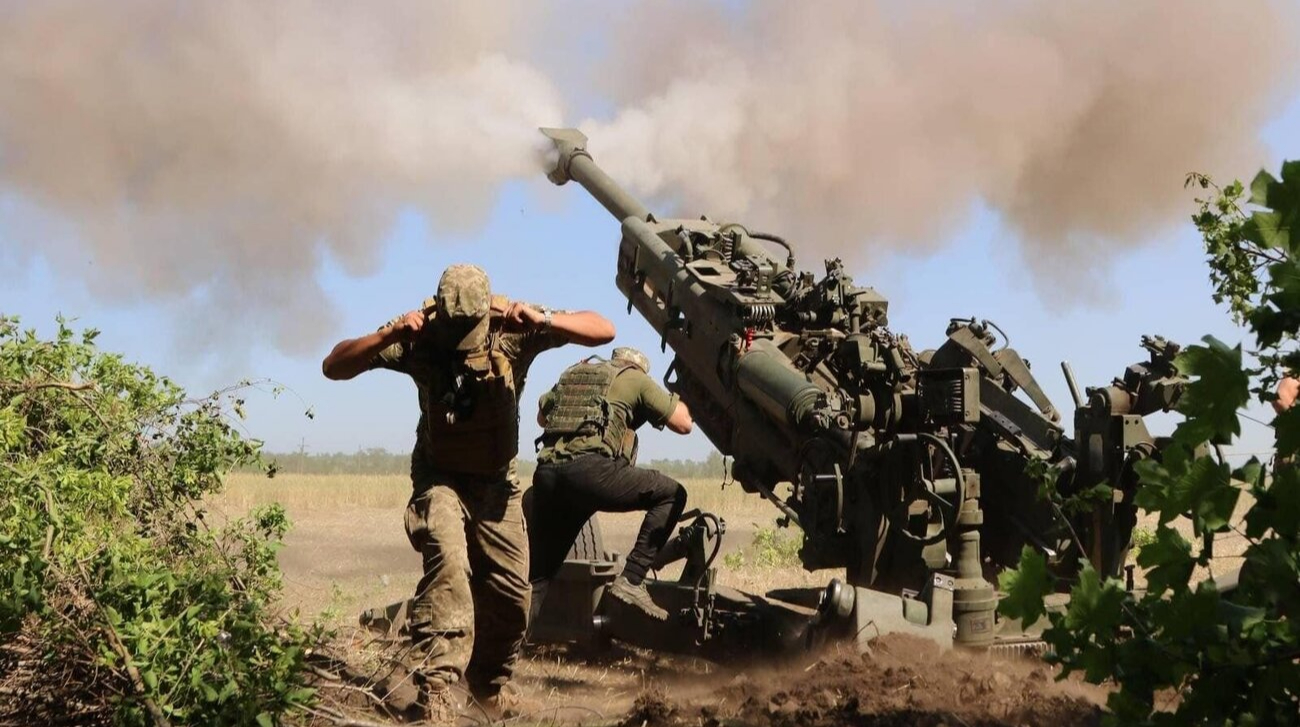
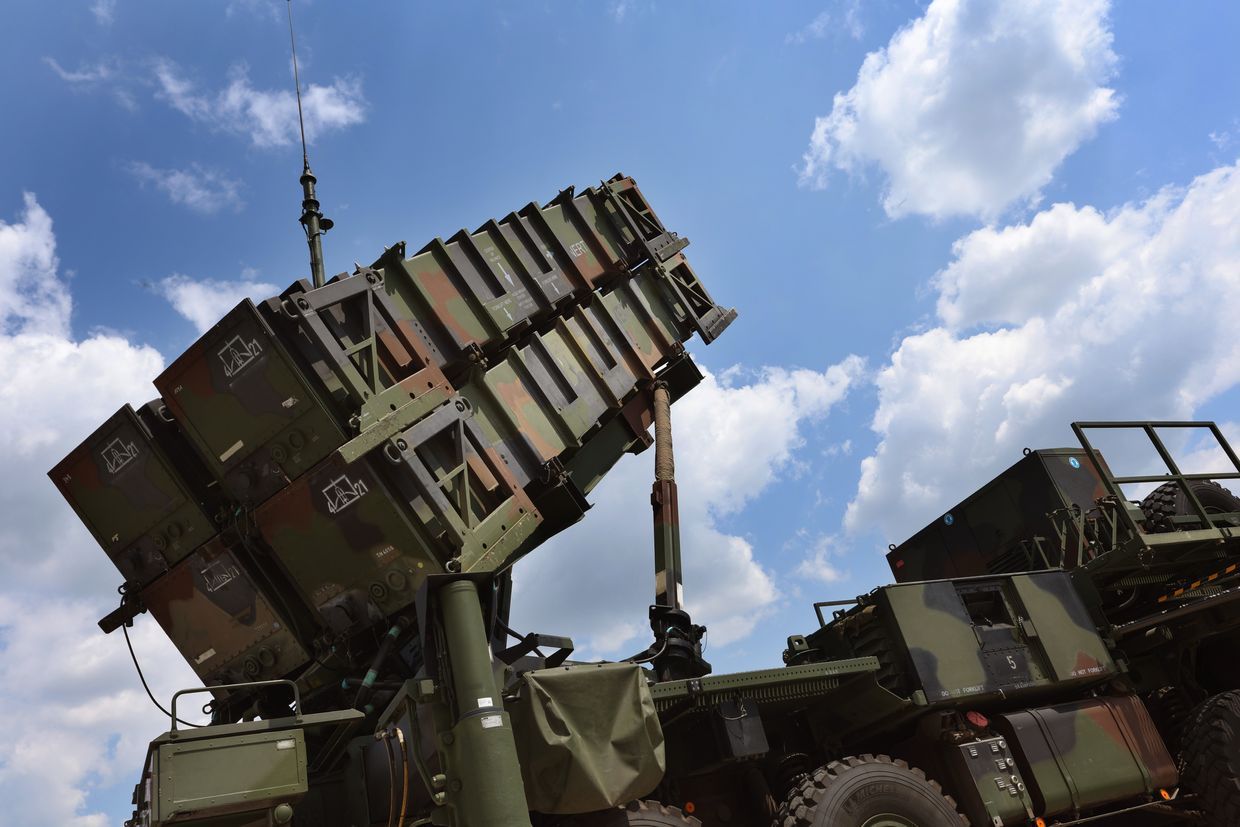
The ongoing war in Iran has exacted a heavy toll on US military resources, particularly its advanced air defense systems. Reports indicate that half of the United States' Patriot and THAAD missile stockpiles have been used up in the conflict.[1] This depletion underscores the intensity of engagements that have required extensive deployment of these critical interceptors to counter aerial threats from Iranian forces. Patriot systems, known for their role in defending against ballistic missiles, aircraft, and cruise missiles, alongside the Terminal High Altitude Area Defense (THAAD) systems designed for high-altitude intercepts, represent key pillars of US and allied defense strategies in the region.
The scale of consumption highlights the sustained nature of the war in Iran, now stretching into its second month with no immediate end in sight.[1] Such a drawdown not only diminishes immediate availability for frontline operations but also poses challenges for replenishment efforts, given the complex manufacturing and deployment timelines associated with these sophisticated munitions. While exact figures on remaining stockpiles remain undisclosed, the revelation of a 50% reduction signals a pivotal shift in the balance of defensive postures.[1] This development comes at a time when US forces, alongside Israeli allies, continue to navigate a volatile theater where missile exchanges have been frequent.
Furthermore, the depletion raises broader questions about sustainability in prolonged conflicts. The war in Iran has demanded continuous interception capabilities, likely in response to barrages targeting US bases, Israeli positions, and regional infrastructure.[1] Military planners must now contend with reduced buffers against potential escalations, potentially influencing tactical decisions on the ground. The Kyiv Independent's reporting emphasizes the direct link between the war's progression and this resource exhaustion, framing it as a core consequence of day-to-day combat operations.[1] As the conflict evolves, the halved stockpiles could compel shifts toward alternative defense measures or accelerated production ramps, though no specific timelines for resupply have been detailed in available accounts.
This situation also intersects with the broader military landscape, where the US has been compelled to commit significant assets to support operations.[1] The Patriot and THAAD systems have proven indispensable in mitigating threats, yet their rapid usage rate illustrates the ferocity of Iranian missile campaigns. Analysts observing the war in Iran note that such depletions could alter force deployment strategies, prioritizing conservation of remaining interceptors for high-priority targets.[1] Overall, this milestone in resource consumption serves as a stark indicator of the war's demands on American military readiness.
Current Status of the Ceasefire
{IMAGE_2}
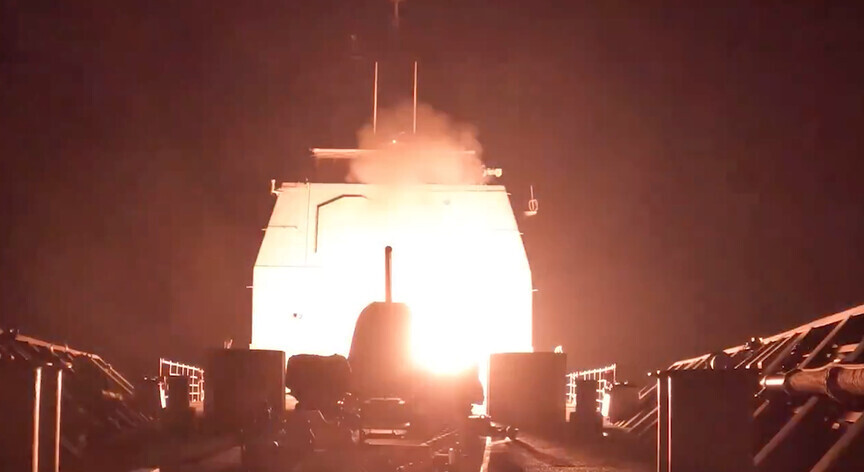
President Donald Trump has announced an extension of the ceasefire with Iran, framing it as a pathway toward resolution but amid considerable uncertainty.[2][4] On day 54 of the war in Iran, Trump stated that the US would prolong the truce until Iran presents a formal proposal and substantive talks conclude.[2] This indefinite extension aims to facilitate further peace negotiations, yet it remains unclear whether Iran or Israel, the key US ally in the two-month conflict, will concur with the arrangement.[4]
The declaration follows a request reportedly agreed to by the US from Pakistani intermediaries, adding a layer of diplomatic maneuvering to the process.[4] Trump's social media statement underscores the American commitment to de-escalation on its terms, but the lack of immediate endorsements from adversarial parties casts doubt on the ceasefire's durability.[2][4] Al Jazeera's coverage on day 54 highlights the precarious timing, as hostilities have persisted despite prior truce efforts.[2] Similarly, reports from Cyprus Mail emphasize the ambiguity, noting that while the US has moved forward unilaterally, reciprocal agreements are pending.[4]
Implications for ongoing talks are profound, with the extension serving as a provisional measure rather than a definitive halt to fighting. The war in Iran, now marked by this prolonged pause, hinges on Iran's willingness to engage constructively.[2] Without synchronized commitments, the ceasefire risks unraveling, potentially reigniting missile exchanges or ground operations. Trump's approach positions the US as the primary broker, yet the absence of confirmed buy-in from Israel—deeply invested in countering Iranian threats—and Iran itself introduces volatility.[4]
This development occurs against a backdrop of exhaustive combat, where defensive systems have been heavily taxed.[1] The ceasefire's status thus represents a critical juncture, balancing diplomatic overtures with military necessities. Observers note that day 54 encapsulates the war's grueling pace, with extensions like this one offering breathing room but no guarantees.[2] As talks loom, the focus sharpens on whether proposals from Iran can address underlying grievances, such as territorial disputes or proxy involvements, though specifics remain elusive in current reporting.[4]
Military Impacts of the Conflict
The war in Iran continues to impose substantial military burdens on the United States, most notably through the depletion of half its Patriot and THAAD missile stockpiles.[1] This reduction directly affects operational capacities, as these systems form the backbone of layered air and missile defense architectures deployed in the region. The Kyiv Independent's account details how intensive combat has consumed these resources at an unprecedented rate, reflecting the volume and sophistication of threats encountered.[1]
Potential effects on the war's trajectory are significant, with diminished stockpiles constraining the US ability to sustain high-intensity interception operations indefinitely.[1] In scenarios involving massed missile launches, the halved reserves could necessitate rationing or reliance on supplementary defenses, potentially exposing vulnerabilities in protected zones. This strain is particularly acute given the conflict's duration, now exceeding 50 days, during which defensive batteries have been active continuously.[2]
The interplay between resource exhaustion and ceasefire dynamics adds complexity. While Trump's extension provides a temporary reprieve, the underlying depletion persists as a latent risk should talks falter.[1][2] Military commanders face the challenge of reallocating assets, possibly drawing from global inventories or prioritizing key installations. The war in Iran's demands have thus not only eroded stockpiles but also highlighted dependencies on rapid resupply chains, which may lag behind consumption paces.[1]
Broader ramifications extend to allied coordination, as Israel relies on integrated US systems for its defense umbrella.[3][4] A compromised US inventory could ripple into joint operations, prompting adjustments in engagement rules. Reports frame this as a direct outcome of the war's escalation phases, where Iranian offensives tested limits of available interceptors.[1] Ultimately, the military impacts underscore a pivot point, where defensive sustainability influences both tactical postures and strategic negotiations.
Prospects for a Frozen Conflict
{IMAGE_3}
The US, Israel, and Iran appear headed toward a frozen conflict, characterized by an unresolved war state rather than outright peace or victory.[3] With a shaky ceasefire in place and minimal advancement in talks addressing the war's core issues, this scenario emerges as the most probable path forward.[3] Asia Times analysis describes a frozen conflict as dynamic yet stagnant, where hostilities simmer without formal conclusion, perpetuating tensions indefinitely.[3]
Unresolved complexities at the heart of the war in Iran—ranging from territorial claims to influence over proxies—undermine prospects for comprehensive settlement.[3] The current truce, extended by Trump, offers no resolution to these disputes, fostering an environment conducive to periodic flare-ups.[2][3][4] Israel's steadfast alliance with the US amplifies the tripartite dynamic, as mutual distrust with Iran hinders de-escalation.[3]
This frozen state implies ongoing military alertness, with depleted stockpiles exacerbating readiness concerns.[1][3] Ceasefire fragility, evident in the lack of universal agreement, sustains a powder keg atmosphere.[4] Projections suggest that without breakthroughs in proposals or dialogues, the conflict could entrench along current lines, mirroring historical precedents of protracted standoffs.[3]
Diplomatic inertia compounds the outlook, as day 54 reporting reveals persistent gaps in negotiation momentum.[2] The potential for frozen conflict thus looms large, with implications for regional stability and resource allocation. Stakeholders must navigate this limbo, where incomplete truces preserve the status quo but forestall lasting security.[3]
Broader Economic Effects
The war in Iran is fueling sharp increases in jet fuel prices, cascading into wider repercussions for the aviation sector.[5] France 24 reports describe prices as "flying sky high," attributing the surge directly to conflict disruptions in energy markets and supply chains.[5] Airlines face mounting operational costs, squeezing margins and prompting concerns over profitability amid sustained high demand.
Pressure extends to potential shortages, as volatility in Iranian-related oil flows tightens global fuel availability.[5] Europe, including France, is actively seeking mitigative solutions to avert crises, such as diversified sourcing or stockpiling initiatives.[5] This economic ripple underscores the war's interconnectivity with commerce, where aviation—a linchpin of travel and logistics—bears acute strain.
The escalation in costs correlates with the conflict's prolongation, now into day 54, amplifying market uncertainties.[2][5] Carriers may pass expenses to consumers via higher fares, dampening travel volumes and economic activity. Broader implications include supply chain delays for goods reliant on air freight.[5]
Regional efforts in Europe highlight proactive responses, yet the war in Iran's persistence ensures ongoing volatility.[5] As fuel dynamics evolve, aviation stakeholders monitor ceasefire developments closely, recognizing their pivotal role in price stabilization.[2][5]
Uncertainties Surrounding Peace Talks
Peace talks remain in doubt following Trump's ceasefire extension, lacking explicit confirmation from Iran or Israel.[4] The US initiative, while indefinite, hinges on external alignments that have yet to materialize.[2][4] This ambiguity perpetuates a tentative calm, vulnerable to breakdowns over differing interpretations.
Diplomatic channels, including Pakistani mediation, introduce variables but no certainties.[4] Day 54 marks a threshold where stalled progress risks reversion to active combat.[2] Core issues demand resolution, yet current postures suggest protracted haggling ahead.[3]
The war in Iran's military toll amplifies stakes, with stockpile depletions underscoring urgency for viable accords.[1] Negotiators face pressure to bridge divides, though unilateral US steps highlight power asymmetries.[4]
What to watch next
Key developments to monitor include whether Iran submits a formal proposal amid the extended ceasefire,[2] progress or breakdowns in tripartite talks that could solidify a frozen conflict,[3] and responses from Israel to the truce terms.[4] Jet fuel market fluctuations will also signal the war's economic persistence.[5]