
War in Iran Causes $50 Billion Loss in Crude Oil Production
The war in Iran has resulted in the loss of over $50 billion worth of crude oil production, as reported by analysts and Reuters calculations.[2][3] This significant economic hit underscores the broad repercussions of the conflict, which has disrupted global energy markets, prompted mass border crossings, and influenced international travel amid surging fuel costs.[1][2][5] Reports from multiple sources highlight the scale of these impacts over the roughly 50 days since the war began.[2][3]
Overview of the Iran War Situation
The ongoing war in Iran has generated multifaceted impacts across humanitarian, economic, and global spheres, as documented in recent reports.[1][2][3][4][5] From large-scale population movements at border crossings to substantial losses in crude oil output and ripple effects on aviation fuel prices, the conflict's reach extends far beyond its epicenter.[1][2][5] Analysts have quantified the oil production shortfall at over $50 billion in value since the war started nearly 50 days ago, a figure derived from Reuters calculations that captures the unproduced crude during this period.[2][3] This loss alone signals deep disruptions in global supply chains, with aftershocks expected to linger for months and even years.[2][3]
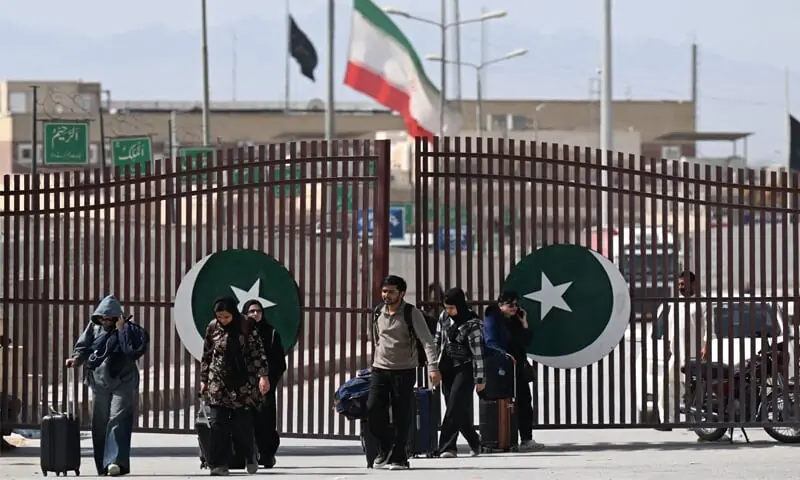
Humanitarian data from the International Organization for Migration (IOM), a United Nations migration agency, reveals significant cross-border activity triggered by the war.[1] Over 13,000 people have crossed into Pakistan from Iran in the past six weeks, reflecting the immediate pressures on civilians.[1] Similarly, 170,153 individuals entered Afghanistan from Iran during the same timeframe, indicating widespread displacement.[1] These movements occurred at key border points, including Taftan-Mirjaveh and Gabd-Kumb-Rimdan, where daily averages reached 296 people.[1]
Economic fallout has been pronounced, particularly in energy sectors. The $50 billion oil loss represents a direct hit to global production capacity, attributed entirely to the war's onset and continuation.[2][3] Meanwhile, jet fuel prices have surged to record highs due to the war in Iran, more than doubling and forcing operational changes in international aviation.[5] A related development involves a ceasefire in Lebanon, where the warring parties—identified as the USA and Iran—have moved closer to further peace negotiations.[4] This pause has coincided with increased returns of people to Iran, suggesting early signs of stabilization.[1]
Collectively, these reports paint a picture of a conflict with immediate and protracted effects. The IOM's tracking of border flows provides granular insight into human mobility,[1] while energy market analyses emphasize the financial toll.[2][3] Aviation disruptions further illustrate how the war in Iran reverberates through everyday global operations.[5] The ceasefire announcement marks a potential pivot, though its linkage to broader peace talks remains a focal point.[4] As these elements interconnect, the situation demands close monitoring for evolving trends in migration, energy recovery, and diplomatic progress.[1][2][4][5]
Migration Patterns and Border Movements
Detailed tracking by the International Organization for Migration (IOM) documents substantial outflows from Iran amid the war.[1] Over 13,000 people crossed into Pakistan from Iran over the past six weeks, a period aligned with the conflict's intensity.[1] This figure translates to a daily average of 296 people specifically at the Taftan-Mirjaveh and Gabd-Kumb-Rimdan border crossings, highlighting concentrated pressure points along the frontier.[1]
The scale of movement underscores the war's role in driving displacement, with these crossings serving as primary escape routes for those fleeing instability.[1] The IOM, as the UN's migration agency, has emphasized the war as the catalyst for this surge, providing real-time data on daily averages to illustrate the steady flow.[1] Beyond Pakistan, the same period saw 170,153 individuals enter Afghanistan from Iran, expanding the scope of regional migration patterns.[1] These numbers reflect not isolated incidents but sustained trends tied directly to the ongoing conflict.[1]
Border dynamics reveal logistical challenges at these entry points. Taftan-Mirjaveh and Gabd-Kumb-Rimdan, key conduits between Iran and Pakistan, have borne the brunt of the influx, with the 296 daily average signaling consistent humanitarian needs.[1] The IOM's reporting from Islamabad provides a reliable snapshot, capturing the war's human toll through verifiable counts over six weeks.[1] This period roughly overlaps with the war's early phases, as noted in parallel economic reports spanning nearly 50 days.[2] Such migration data serves as a barometer for the conflict's severity, with high volumes indicating acute risks within Iran.[1]
Trends in these movements offer insights into civilian responses to the war. The concentration at specific crossings suggests organized or familiar routes, potentially influenced by geography and existing infrastructure.[1] The IOM's focus on these metrics aids in coordinating aid, underscoring the agency's role in monitoring war-induced displacement.[1] As the conflict evolves, these patterns could shift, but current figures firmly attribute the outflows to the war in Iran.[1]
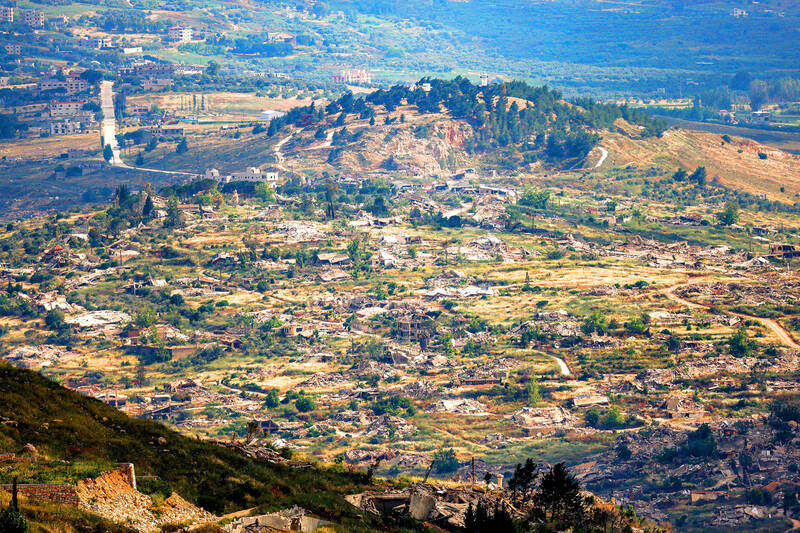
A graph illustrating the $50 billion loss in crude oil production from 50 days of the Iran war. — Source: newsmax
Economic Impacts on Oil Production
The war in Iran has inflicted a staggering $50 billion loss in crude oil production value, according to analysts and Reuters calculations.[2][3] This shortfall stems from over 50 days of disrupted output since the conflict began nearly 50 days ago, marking a direct economic consequence of the war.[2][3] The figure encapsulates the global loss of unproduced crude, with implications rippling through energy markets worldwide.[2][3]
Breaking down the timeline, the title of reports frames it as "50 Days of the Iran War," aligning the $50 billion wipeout precisely with this duration.[2][3] Reuters' involvement in the calculations lends credibility, as their methodologies typically account for market prices, production baselines, and war-related halts.[2][3] Analysts echo this assessment, projecting aftershocks that will persist for months and years, due to lingering supply constraints and recovery timelines.[2][3]
The magnitude of the loss—over $50 billion—equates to a profound hit on the world economy, centered on crude oil that simply has not been produced.[2][3] This unproduced volume affects refineries, pricing, and downstream industries, all tethered to Iran's role in global supply.[2][3] The war's disruption is portrayed as total in these accounts, with no partial offsets mentioned, emphasizing the crisis's depth.[2][3]
Longer-term, the aftershocks signal challenges in rebuilding production capacity. Analysts foresee extended timelines for restoration, as infrastructure damage, security issues, and market adjustments compound the initial 50-day gap.[2][3] Reuters calculations likely factor in daily production rates multiplied by prevailing oil prices, yielding the $50 billion total—a metric that quantifies the war's tangible cost.[2][3] This economic lens complements humanitarian data, illustrating how the war in Iran intertwines human and financial dimensions.[1][2]
Ceasefire and Peace Developments
A ceasefire in Lebanon has brought the warring parties, the USA and Iran, a significant step closer in further peace negotiations.[4] This development, reported under the heading "Dette betyr våpenhvilen i Libanon" (This means the ceasefire in Lebanon), positions the pause as a diplomatic milestone amid broader tensions.[4]
The agreement marks progress between the identified parties, USA and Iran, suggesting de-escalation potential linked to the regional conflict.[4] Peace negotiations are described as advancing, with the ceasefire serving as a foundational step toward wider talks.[4] This comes in context with increased returns to Iran following a ceasefire announcement, as noted in migration data.[1]
Implications include stabilized fronts in Lebanon, potentially easing pressures tied to the war in Iran.[4] The phrasing "et stort steg nærmere hverandre" (a big step closer to each other) conveys optimism for reconciliation.[4] While focused on Lebanon, the involvement of USA and Iran ties it to the larger war framework.[4]
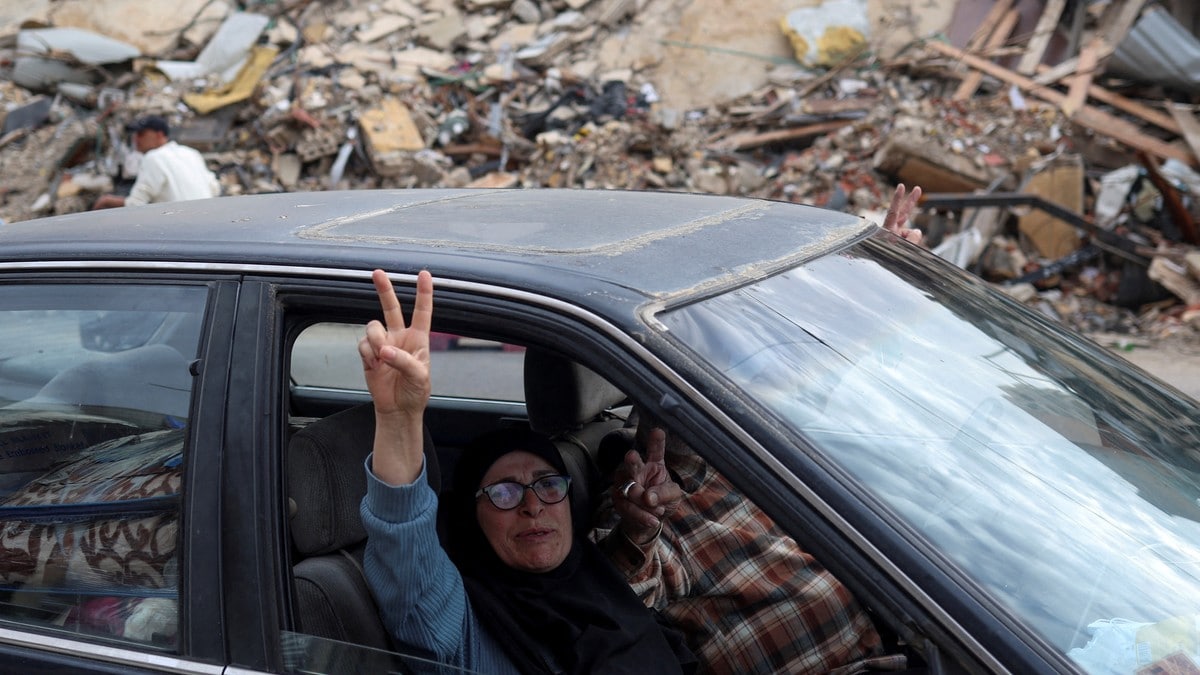
The war in Iran disrupts crude oil production and prompts mass border crossings. — Source: nrk
Global Effects on Travel and Fuel Prices
The war in Iran has driven global jet fuel prices to record highs, more than doubling and prompting cancellations by Chinese airlines on routes to and from Singapore.[5] These disruptions coincide with China's Golden Week holiday, from late April to early May, severely impacting travel plans.[5]
Several Chinese airlines have axed flights during this peak period, directly attributing the decision to skyrocketing fuel costs fueled by the war.[5] The record-high prices represent a more than twofold increase, squeezing airline margins and operational feasibility.[5] Singapore, a major hub, bears the brunt of these cancellations, affecting both outbound and inbound traffic.[5]
This ripple effect demonstrates how the Iran war's energy shocks extend to aviation, a sector highly sensitive to fuel volatility.[5] Golden Week, a high-demand holiday, amplifies the inconvenience, with travelers facing widespread disruptions.[5] The linkage to jet fuel surges underscores the war's global footprint, beyond regional borders.[5]
Returns and Recovery Indicators Post-Ceasefire
Following the ceasefire announcement, people's returns to Iran have increased, signaling early recovery amid ongoing war effects.[1] This trend contrasts with prior outflows, such as the 13,000 crossings into Pakistan and 170,153 to Afghanistan over six weeks.[1] The IOM notes this uptick post-announcement, tying it to perceived stabilization.[1]
In tandem with the Lebanon ceasefire advancing USA-Iran talks,[4] these returns suggest humanitarian shifts. Daily averages at borders like Taftan-Mirjaveh may adjust accordingly, reflecting reduced flight risks.[1] While oil losses persist with long-term aftershocks,[2][3] migration reversals offer a counterpoint.[1]
This pattern, documented by the UN agency, provides a nuanced view of war dynamics.[1] Combined with aviation strains from fuel hikes,[5] it highlights interconnected recovery paths.
What to watch next: Monitor increased returns to Iran post-ceasefire,[1] prolonged oil production aftershocks for months to years,[2][3] advancing USA-Iran peace talks,[4] and potential easing of jet fuel-driven flight disruptions.[5]