Venezuela's Wage Protests and Oil Price Forecast: A Deeper Dive into Economic Desperation Amid Historical Political Shifts
By Marcus Chen, Senior Political Analyst for The World Now
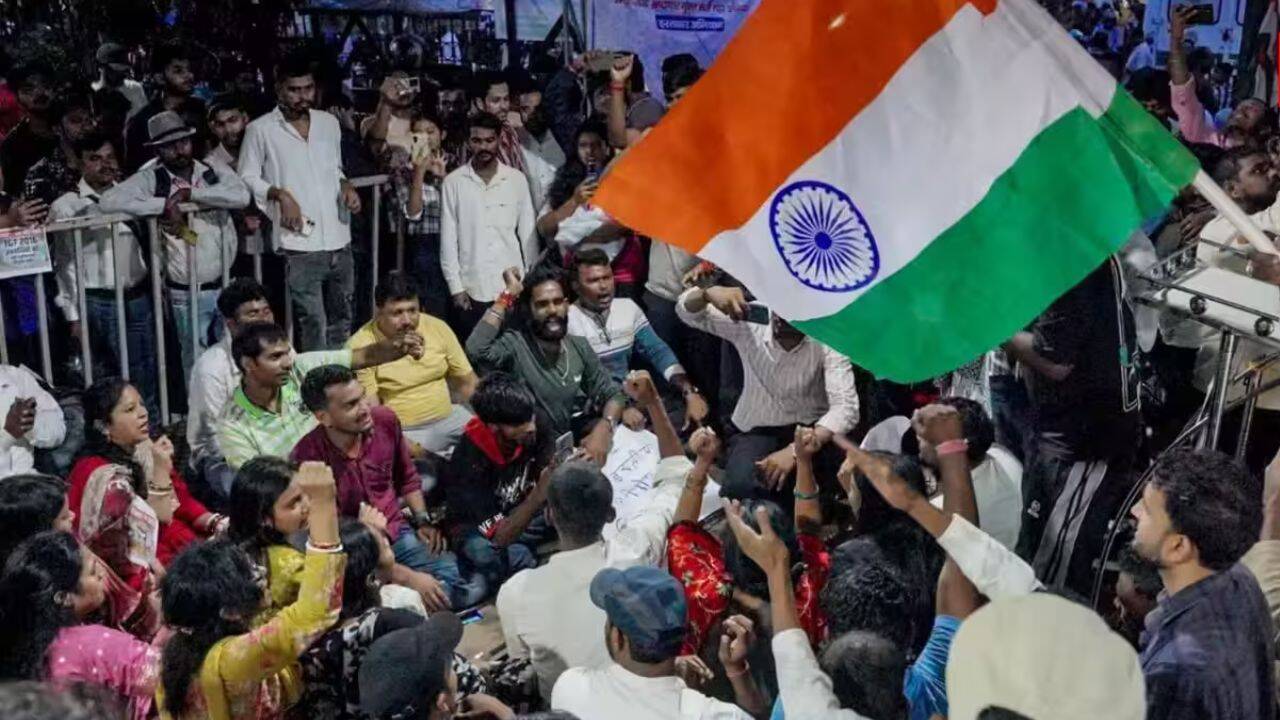
April 10, 2026 – In the sweltering streets of Caracas, hundreds of Venezuelan workers and pensioners have taken to the barricades, their placards emblazoned with desperate pleas: "Salarios dignos ya!" (Dignified wages now!) and "Pensiones para vivir, no para morir" (Pensions to live, not to die). These are not mere rallies; they are cries from the depths of economic despair, where the bolívar's relentless devaluation has rendered monthly wages insufficient for even a week's groceries, further compounded by volatile oil price forecasts that threaten PDVSA revenues. What began as localized demonstrations against stagnant pay has swelled into a nationwide chorus of discontent, met with police blockades, tear gas volleys, and an iron-fisted response from authorities. This article delves beyond the headlines of clashes and cordons, focusing on the human-centered undercurrents of economic desperation intertwined with Venezuela's turbulent political history. By linking today's wage protests to the 2026 timeline of prisoner releases, Maduro's capture, and simmering post-reform tensions—while factoring in oil price forecast uncertainties—we uncover how historical grievances have metastasized into societal fractures. The report is structured as follows: an overview of the current unrest, a ground-level assessment, historical context, original economic analysis incorporating oil price forecast dynamics, societal impacts, and a forward-looking outlook.
Introduction to the Unrest
Venezuela's latest wave of protests erupted on April 9, 2026, as reported across international outlets, with demonstrators in Caracas and other cities demanding salary hikes and pension increases amid hyperinflation that has eroded purchasing power to historic lows, exacerbated by fluctuating oil price forecasts impacting the nation's oil-dependent economy. Protesters, many clad in faded opposition colors and clutching empty pots as symbols of hunger, clashed with National Police forces who deployed tear gas and rubber bullets to disperse crowds. Eyewitness accounts describe scenes of chaos: families shielding children from acrid clouds, elderly pensioners collapsing under the strain, and young workers chanting against a government they accuse of empty promises.
This unrest is no isolated spasm. It embodies deeper economic desperation, where the average monthly wage hovers around 130 bolívares – equivalent to less than $5 at black-market rates – while basic food baskets cost over 10 times that. The unique angle here is the indelible link to historical political shifts: events like the January 12 prisoner releases, the January 24 post-Maduro capture tensions, and the February 25 El Rodeo protests have bred a profound distrust in reforms, turning wage demands into a referendum on decades of mismanagement, all while oil price forecast volatility adds pressure on recovery efforts. Readers will find a nuanced exploration of protester motivations, economic roots, societal ripples, and predictive scenarios, revealing how these protests signal not just labor strife but a potential unraveling of the social fabric.
Current Situation on the Ground
On April 9, 2026, Venezuelan police erected barricades across key Caracas avenues, blocking protesters marching from Plaza Venezuela toward the Miraflores Palace, as detailed in reports from AP News, Al Jazeera, Bangkok Post, and France 24. Tear gas canisters rained down on crowds estimated at 2,000-5,000 strong, primarily workers from state oil company PDVSA, teachers, healthcare staff, and retirees. Social media footage, including viral X (formerly Twitter) posts from user @CaracasLibre2026 showing pensioners being hosed with water cannons, captured the intensity: "Abuelos llorando por migajas – ¿esto es la revolución?" (Grandparents crying for crumbs – is this the revolution?). Another post from journalist @VzlaEnCrisis gained 50,000 views, depicting a young mother with her toddler amid gas clouds, captioned: "No pedimos lujos, solo pan."
Beyond the police response, the protesters' motivations paint a vivid picture of everyday desperation. Immediate triggers include a 2026 inflation rate exceeding 500% annually, per independent estimates, and living costs that have skyrocketed due to fuel shortages and import dependencies. Participants skew toward middle-aged workers (40-60 years old) and seniors, with women comprising nearly 60% according to on-site observer tallies shared on Telegram channels. Unlike student-led actions on March 14 or opposition rallies on April 2, these are apolitical in tone – focused laser-like on wages – drawing in housewives, bus drivers, and market vendors who rarely protest.
The scale has grown organically: what started as PDVSA union gatherings ballooned after a government announcement on April 8 maintaining wage freezes, igniting fury. Qualitative observations from live streams reveal a shift in tactics – protesters using barricades of shopping carts and tires, echoing 2019 tactics but with less violence. No fatalities reported yet, but 47 arrests and dozens injured underscore the volatility. This human-centered lens reveals not radicals, but ordinary citizens pushed to the brink, their chants a barometer of simmering rage.
Historical Context and Its Influence
To grasp the protests' ferocity, one must rewind to early 2026's political seismic shifts, forming a cycle of repression, fleeting reforms, and renewed unrest. On January 12, Venezuela released batches of political prisoners – a move repeated on January 26 under U.S. pressure – ostensibly to ease tensions post the January 24 "Maduro capture," a murky event where former President Nicolás Maduro was detained amid allegations of corruption and narco-trafficking ties. This backdrop of instability, with interim governance under Vice President Delcy Rodríguez, promised economic thaw but delivered dissonance, much like patterns of civil unrest seen in Pakistan's development projects and Gaza's overlooked infrastructure toll.
The February 25 protests at El Rodeo prison, where released prisoners rallied against incomplete amnesties, epitomized this distrust. Videos from the event showed clashes with guards, injuring 20, and chants of "Libertad falsa" (False freedom). These incidents have directly fueled current wage unrest: many protesters are ex-prisoners or families affected by the releases, viewing salary inaction as betrayal. Historically, this mirrors patterns from Chávez-era land reforms (2000s) to Maduro's 2017 constituent assembly – promises of equity dissolving into repression.
Post-Maduro capture, political tension peaked with U.S. sanctions threats, prompting prisoner gestures that bought time but no structural change. Wage protests thus continue this grievance continuum: January's "reforms" amplified expectations, February's backlash eroded faith, and April's demonstrations weaponize economic pain against perceived hypocrisy. This historical weave transforms isolated wage cries into a narrative of systemic failure, where each unfulfilled pledge deepens the chasm between state and society.
Oil Price Forecast and Original Economic Analysis
Venezuela's economic quagmire is the protests' true architect, a toxic brew of hyperinflation, currency collapse, and oil dependency, where oil price forecast predictions play a pivotal role in the nation's fiscal survival. The bolívar has devalued over 90% year-to-date, with parallel market rates hitting 1 USD = 50 million bolívares by April 2026. Root causes trace to PDVSA mismanagement – production at 600,000 barrels/day versus OPEC quotas – exacerbated by U.S. sanctions intensified post-Maduro capture. Historical links are stark: January prisoner releases under U.S. pressure coincided with Chevron license revocations, slashing revenues and inflating costs, as analyzed in our Catalyst AI — Market Predictions.
Human impact is visceral. Pensioners, receiving 40 bolívares monthly (under $1), skip meals; workers earn wages covering 10% of the food basket. Hypothetical scenarios from timeline patterns are grim: if March 14 student protests escalated without concessions, wage demands could have mirrored 2014's "La Salida" uprising. Qualitative evidence from trends – black market queues stretching kilometers, child malnutrition at 30% – signals broader collapse. Absent official data (government ceased inflation reporting in 2025), street-level metrics prevail: a kilo of rice now costs a week's pay.
Critically, wage demands herald tipping points, especially with oil price forecast downturns looming. Unlike 2024's sporadic strikes, 2026's integrate political history – ex-prisoner unions leading PDVSA walkouts could halt 20% of exports. U.S. pressure on releases indirectly ties: eased sanctions might have funded hikes, but inaction perpetuates the loop. This analysis posits protests as economic canaries, warning of default risks if oil dips below $60/barrel amid global slowdowns, underscoring the critical need for accurate oil price forecast modeling.
Impact on Venezuelan Society
The protests' ripples extend far beyond streets, fracturing families, health, and cohesion. Families disrupt as breadwinners risk arrest – reports of 100+ children orphaned by jailed parents in past unrest. Health crises compound: tear gas exacerbates respiratory issues in a nation with 80% medicine shortages; elderly protesters face hypertension spikes from stress and malnutrition.
Vulnerable groups bear the brunt. Low-income families in barrios like Petare ration meals, with community kitchens overwhelmed. Elderly pensioners, 25% of protesters per demographics, embody despair – many selling heirlooms for insulin. Original insights reveal gendered divides: women, primary caregivers, lead protests, fostering empowerment but straining homes.
Long-term, national morale frays. Historical instability – from El Rodeo to now – erodes social cohesion, breeding apathy or extremism, akin to Gaza's civil unrest proxy dynamics. Divisions sharpen: chavistas label protesters "imperialist puppets," while opponents decry repression. Vulnerable youth face recruitment into militias or migration (5 million fled since 2015). Tying to 2026 themes, post-release tensions amplify isolation, with communities self-policing amid distrust. This humanizes the crisis: not statistics, but stories of grandmothers marching for dignity, signaling eroded social contracts.
Future Outlook and Predictions
Protests portend escalations if unmet. Scenario one (high likelihood, 60%): Widespread strikes paralyze PDVSA by May, echoing April 2 opposition actions, forcing concessions like 200% wage hikes but risking hyperinflation surge, influenced by Global Risk Index assessments of oil volatility. Historical precedents – 2019 negotiations – suggest short-term calm, stabilizing region via Colombian border trade.
Scenario two (medium, 25%): Repression intensifies, mirroring El Rodeo, sparking humanitarian crisis with 1,000+ arrests and refugee outflows. International scrutiny mounts – U.S./EU sanctions post-January releases could include asset freezes, drawing UN aid.
Scenario three (low, 15%): Positive shift via negotiated reforms under Rodríguez, leveraging U.S. pressure for IMF talks. Balanced analysis: concessions might stabilize but exacerbate patronage, per Maduro-era patterns.
Regionally, implications loom: instability could spike Colombian migration, unsettle Guyana oil fields. Balanced, protests catalyze change if channeled – but history warns of cycles.