Venezuela's Geopolitical Crisis Escalates: Maduro's Capture, US Blockade, and Oil Struggles Amid International Tensions

Latest from X
Venezuela's Geopolitical Crisis Escalates: Maduro's Capture, US Blockade, and Oil Struggles Amid International Tensions
In a dramatic escalation of Venezuela's long-standing geopolitical tensions, President Nicolás Maduro has signaled openness to U.S. talks on drug trafficking, even as U.S. military operations and an oil blockade continue to strain the nation's economy and international relations. These developments, unfolding amid reports of Maduro's capture and the arrival of oil tankers in Venezuelan ports, highlight the complex interplay of domestic politics, resource control, and global alliances.
The events began intensifying in late December 2025 and early January 2026, with U.S. actions targeting Maduro's regime. According to reports, Maduro and his wife, Cilia Flores, were captured in a U.S. military operation and are now facing charges of narco-terrorism in New York. This operation, reportedly involving Delta Force personnel, has drawn sharp reactions from Venezuelan officials and international observers. U.S. President Donald Trump commented on the incident, stating that the injured American soldiers involved are "in good shape," underscoring the administration's resolve in its hardline stance against Maduro.
Simultaneously, the U.S. blockade on Venezuelan oil exports—aimed at pressuring the regime economically—has faced unexpected challenges. Oil tankers have continued to arrive at Venezuelan ports, managed by the state-run oil company PDVSA, indicating efforts to sustain crude sales despite the restrictions. This development suggests potential workarounds, possibly through alliances with nations like China and Russia, which have historically supported Maduro. Posts on X from verified accounts, including those associated with geopolitical analysis, reflect sentiments of international backing for Venezuela, with references to external powers opposing the U.S. measures as a means to protect their interests in the region's vast oil reserves.
International reactions have been swift and varied. The Economic Community of West African States (ECOWAS) expressed concern over the U.S. military operation, urging respect for Venezuela's sovereignty in a statement that emphasized the need for peaceful resolutions. This response underscores broader global unease about unilateral actions in Latin America, where historical U.S. interventions have often fueled anti-imperialist sentiments. Meanwhile, Venezuela's interim president has indicated a willingness to "collaborate" with the U.S., particularly following Trump's warnings of potential further strikes, signaling a possible shift toward dialogue on issues like drug trafficking.
The backdrop to these events is Venezuela's enduring struggle with economic collapse and political instability, exacerbated by its vast oil wealth. For years, the country has been at the center of geopolitical rivalries, with the U.S. viewing Venezuela's oil reserves—one of the largest globally—as a strategic asset in its backyard. Maduro's administration has faced accusations of corruption and human rights abuses, while critics argue that U.S. policies, including sanctions and blockades, have deepened the humanitarian crisis, affecting millions of Venezuelans. Posts on X from verified sources, such as journalists and experts, have highlighted the oil sector's desperation, with mentions of stalled exports and the regime's pivot toward alternative markets, though these accounts remain inconclusive and should be treated as reflective of ongoing debates rather than definitive evidence.
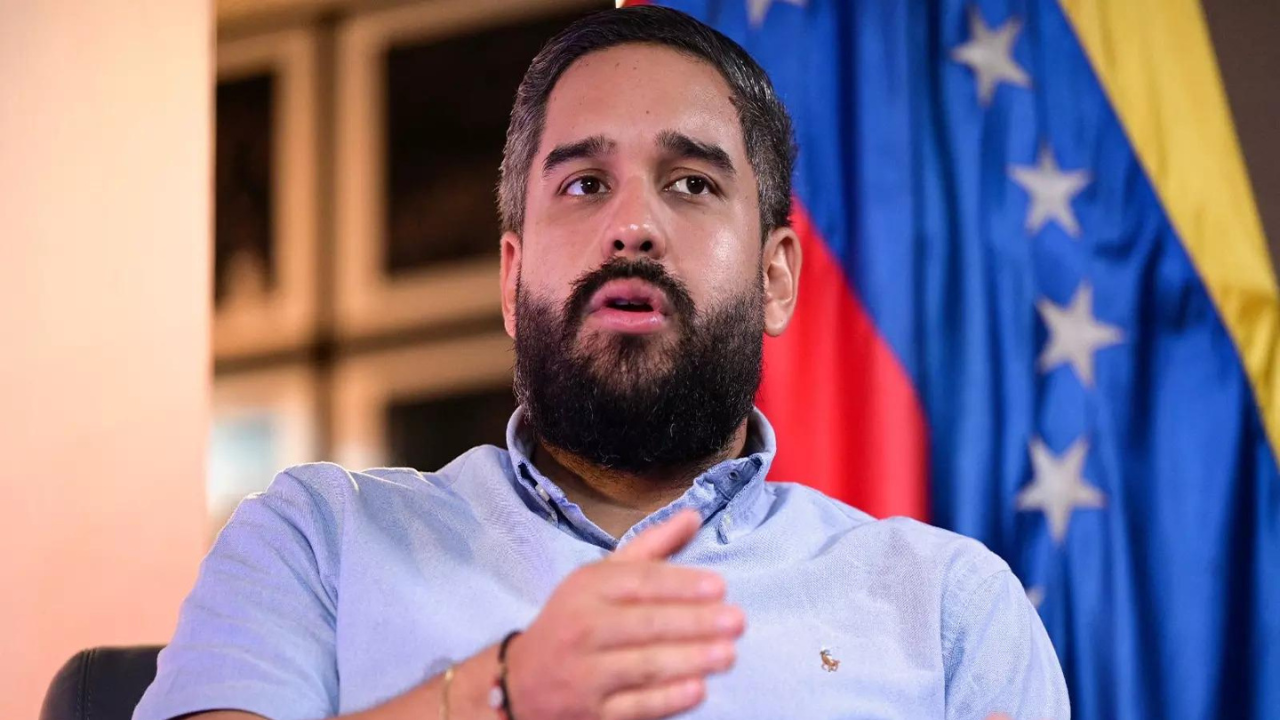
Maduro's son, Nicolás Maduro Guerra, a lawmaker implicated in related investigations, has publicly warned of internal betrayals and called for mobilizations against what he described as "external aggression." This rhetoric points to potential fractures within the Venezuelan government, even as the president expresses openness to discussions on drug trafficking—a key U.S. concern that has been a flashpoint in bilateral relations. The U.S. has long accused Maduro's regime of facilitating drug trafficking networks, a claim that Maduro has dismissed as politically motivated.
Looking ahead, these developments could lead to either de-escalation through negotiations or further confrontation. The interim president's offer to collaborate with the U.S. might open a pathway for dialogue, potentially easing the oil blockade and addressing humanitarian needs. However, Trump's warnings of additional actions suggest that any progress will depend on concrete concessions from Maduro's allies. As Venezuela navigates this precarious moment, the involvement of global players like China and Russia—evident in discussions on X from verified geopolitical commentators—complicates efforts toward resolution, raising the stakes for regional stability and international energy markets.
In summary, Venezuela's current crisis encapsulates the broader challenges of resource-driven geopolitics, with oil at the heart of the conflict. As the world watches, the balance between U.S. pressure and calls for sovereignty will likely shape the nation's future trajectory. (Word count: 652)
Track this story live
Live World Map
Monitor global events in real time with a live activity map and hotspot summaries.
Markets
Connect live events to Catalyst market signals across crypto, commodities, indices, and forex.
Geopolitical Risk
Live geopolitical risk index tracking conflict zones, sanctions, and global threat levels.
Original Sources
- •
- •
- •
- •
Editorial process: This article was synthesized from the original sources cited above using The World Now's AI editorial system, with byline accountability from our editorial team. We grade every story for source grounding, factual coherence, and on-topic match before publication. Read more about our editorial standards and contributors. Spot something inaccurate? Let us know.
Last updated: March 7, 2026






