Venezuela-US Tensions Escalate: Maduro’s Arrest, Oil Blockades, and Calls for Dialogue

Latest from X
Venezuela-US Tensions Escalate: Maduro’s Arrest, Oil Blockades, and Calls for Dialogue
Caracas, Venezuela - In a dramatic escalation of geopolitical tensions, the United States has asserted unprecedented control over Venezuela following the arrest of President Nicolás Maduro, while oil tankers defy a US blockade and interim leadership signals a potential opening for talks. These developments, unfolding over the past week, have plunged the South American nation into a state of uncertainty, with global implications for energy markets, regional stability, and US foreign policy in Latin America.
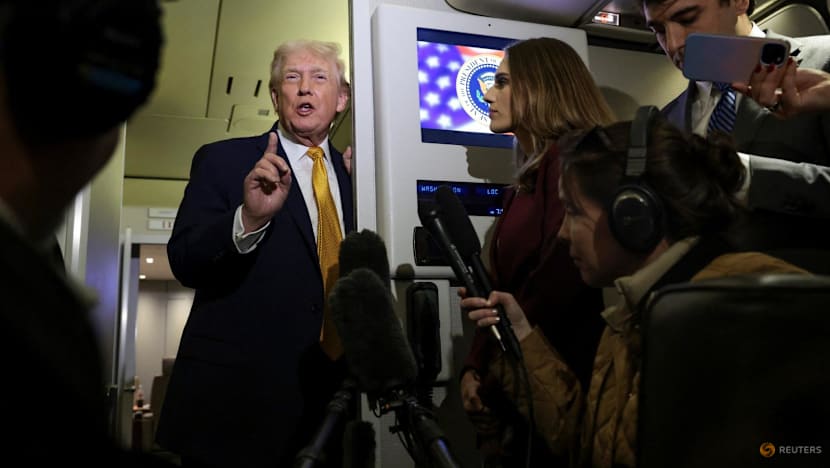
On January 2, 2026, reports emerged of US military actions targeting Venezuelan infrastructure linked to drug trafficking, a move that President Donald Trump has since tied to broader efforts to curb illicit drug flows into the United States. Maduro, now in US custody, had expressed willingness to engage in dialogue with Washington on drug trafficking issues just hours before his capture, though he avoided addressing the specific US-claimed attack, according to Channel News Asia. This openness to talks came amid spiraling tensions, but it was swiftly overshadowed by his arrest, which Trump described as a pivotal moment, stating the US is now “in charge” of Venezuela, as reported by Fox News and Newsmax.
Adding to the complex situation, oil tankers have continued to arrive in Venezuelan ports despite a US-imposed blockade aimed at crippling the country’s crude exports. Since December 30, 2025, state-run oil company PDVSA has managed to sustain sales, defying Washington’s economic stranglehold, a move seen as both a lifeline for the beleaguered Venezuelan economy and a direct challenge to US policy, per recent updates on the ground. This persistence in oil trade underscores Venezuela’s determination to maintain financial inflows amid political chaos, even as Trump has reiterated US dominance over the nation’s future, according to Newsmax.
Interim Leadership and US Threats
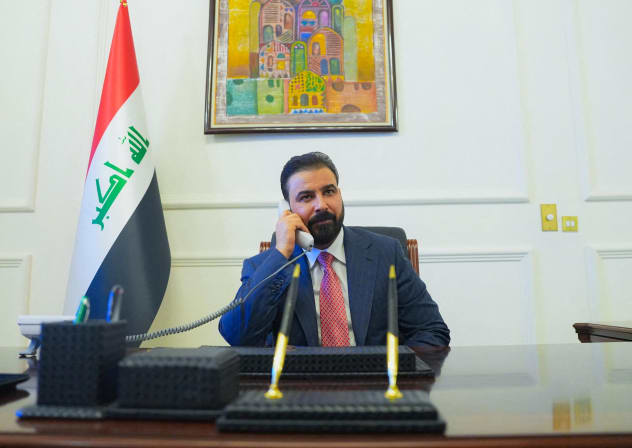
In the wake of Maduro’s arrest, interim leader Delcy Rodríguez has emerged as a key figure in Caracas. Initially defiant, labeling the Trump administration as “extremists” on January 3, Rodríguez softened her stance by January 5, calling for a “balanced and respectful” relationship with the United States, as reported by Channel News Asia. This shift suggests a potential window for diplomacy, though Trump has revealed no direct communication with Rodríguez and continues to assert US control, vowing to delay Venezuelan elections until economic recovery is achieved, per Fox News.
Trump has also raised the specter of further military action, warning of a possible second strike on Venezuela if the interim government fails to cooperate. Beyond Venezuela, he extended threats to Colombia and Mexico, indicating potential military interventions if they do not stem drug trafficking into the US, according to Channel News Asia. This aggressive posture marks one of the most direct US interventions in Latin America in decades, raising concerns among regional allies and international observers about broader destabilization.
Community Reactions and Historical Context
The arrest of Maduro has elicited strong emotional responses from Venezuelan communities abroad. Rep. Maria Salazar, speaking to Newsmax, described Venezuelan Americans in South Florida shedding “tears of joy” over the ousting of the longtime strongman, whose rule has been marked by economic collapse, hyperinflation, and widespread human rights abuses. For many in the diaspora, this moment represents a long-awaited turning point, though skepticism remains about US intentions and the path forward.
Background: A History of Tensions
US-Venezuela relations have been strained for over two decades, dating back to the rise of Hugo Chávez, Maduro’s predecessor, whose socialist policies and anti-American rhetoric set the stage for ongoing conflict. Maduro, in power since 2013, faced US sanctions, accusations of electoral fraud, and indictments for drug trafficking by the US Department of Justice. The recent US actions follow years of economic pressure through sanctions on Venezuelan oil exports, a critical revenue source, and diplomatic efforts to isolate Maduro’s regime.
Outlook: Uncertainty and Global Implications
As Venezuela navigates this unprecedented crisis, the international community watches closely. The arrival of oil tankers amid a blockade signals resilience but also risks further US retaliation, while Rodríguez’s call for dialogue offers a faint hope of de-escalation. Trump’s insistence on US control, coupled with threats of additional strikes, suggests that tensions are far from resolved. The ripple effects could impact global oil prices, already sensitive to disruptions in major producing nations like Venezuela, and strain US relations with other Latin American countries wary of interventionist policies.
For now, the future of Venezuela hangs in a delicate balance between confrontation and potential cooperation, with the world awaiting the next moves from both Caracas and Washington.
Track this story live
Live World Map
Monitor global events in real time with a live activity map and hotspot summaries.
Markets
Connect live events to Catalyst market signals across crypto, commodities, indices, and forex.
Geopolitical Risk
Live geopolitical risk index tracking conflict zones, sanctions, and global threat levels.
Original Sources
- •Trump says second Venezuela strike possible if government does not cooperate— Channel News Asia
- •
- •
- •
- •
Editorial process: This article was synthesized from the original sources cited above using The World Now's AI editorial system, with byline accountability from our editorial team. We grade every story for source grounding, factual coherence, and on-topic match before publication. Read more about our editorial standards and contributors. Spot something inaccurate? Let us know.
Last updated: January 26, 2026