Venezuela-US Tensions Escalate Amid Calls for Dialogue and Ongoing Oil Disputes

Latest from X
Venezuela-US Tensions Escalate Amid Calls for Dialogue and Ongoing Oil Disputes
In a volatile mix of diplomatic outreach and military posturing, Venezuela has signaled willingness to engage in talks with the United States, even as a US blockade on oil exports persists and President Donald Trump asserts American control over the country. These developments, unfolding in early January 2026, highlight the deepening geopolitical rift between the two nations, rooted in longstanding disputes over drug trafficking, economic sanctions, and resource control.
The situation intensified over the past week, with Venezuelan President Nicolás Maduro expressing openness to discussions on drug trafficking, while US officials, including Trump, have maintained a hardline stance. On January 2, 2026, Maduro indicated a desire for dialogue amid accusations of US military actions against Venezuelan drug operations, as reported by multiple sources. This comes shortly after the US imposed a blockade on Venezuelan oil tankers, aimed at curbing the country's crude exports, yet reports confirm that some tankers have still managed to reach Venezuelan ports. The blockade, initiated in late December 2025, underscores Washington's strategy to pressure the Venezuelan government economically, but it has not fully halted operations by the state-owned oil company, PDVSA.
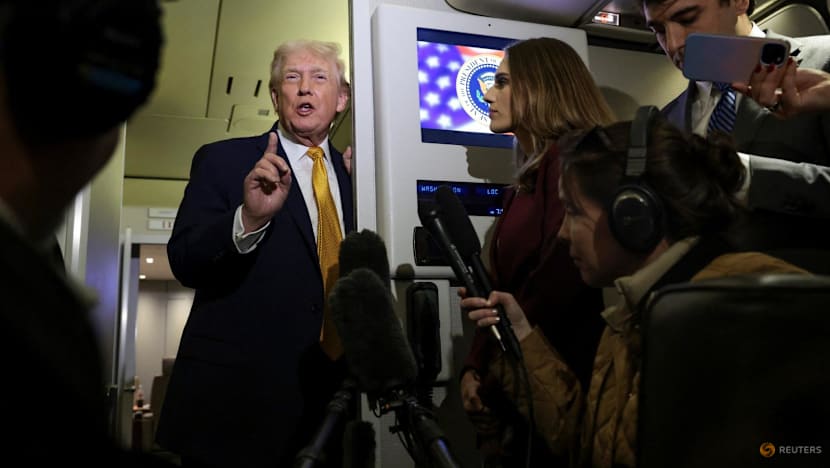
Trump has been vocal in his administration's position, warning of potential further military action if Venezuela does not cooperate. In statements covered by Channel News Asia on January 5, 2026, Trump suggested that a second strike could be on the table, extending threats to neighboring countries like Colombia and Mexico if they fail to stem drug flows to the US. Additionally, Trump has repeatedly claimed that the US is "in charge" of Venezuela following Maduro's arrest, as detailed in reports from Fox News and Newsmax. In an interview published on January 5, Trump outlined plans to rebuild Venezuela's economy and delay elections until stability is achieved, a move that has drawn mixed reactions internationally.
Venezuela's interim leader, Delcy Rodríguez, has countered with calls for a "balanced and respectful" relationship with the US, according to Channel News Asia. However, she has stopped short of full cooperation, labeling the US administration as "extremists." This rhetoric reflects the broader challenges in thawing relations, with Maduro's statements on drug trafficking—made on January 2—appearing to sidestep direct acknowledgment of recent US-claimed attacks. The arrest of Maduro, reported on January 3, 2026, has elicited strong emotions among Venezuelan Americans, with US Representative Maria Salazar describing "tears of joy" in South Florida communities, as noted in a Newsmax article from January 5.
To provide context, US-Venezuela relations have been strained for over a decade, stemming from Venezuela's vast oil reserves and its alignment with countries like Russia and China. The US has imposed sanctions on Venezuelan oil exports since 2019, aiming to isolate the Maduro regime amid accusations of human rights abuses and corruption. These measures have exacerbated Venezuela's economic crisis, leading to hyperinflation and mass emigration. The current blockade represents an escalation, with oil tankers' arrivals—despite US efforts—indicating resilience in Venezuela's export capabilities, possibly through alternative routes or diplomatic maneuvers.
Social media platforms have amplified global sentiments around these events, with posts from verified accounts highlighting international concerns. For instance, discussions on X reflect unease over the US blockade, including mentions of support from nations like China and Russia for Venezuela's position. While these posts underscore a broader geopolitical divide, they remain inconclusive and should be viewed as expressions of opinion rather than verified facts.
Looking ahead, the potential for dialogue offers a glimmer of hope amid the tensions. Maduro's willingness to discuss drug trafficking could pave the way for negotiations, but Trump's insistence on US oversight complicates matters. Analysts suggest that any resolution will depend on de-escalation from both sides, with the oil sector remaining a critical flashpoint. As Venezuela navigates this crisis, the international community watches closely, wary of the implications for global energy markets and regional stability in Latin America.
(Word count: 612)
Track this story live
Live World Map
Monitor global events in real time with a live activity map and hotspot summaries.
Markets
Connect live events to Catalyst market signals across crypto, commodities, indices, and forex.
Geopolitical Risk
Live geopolitical risk index tracking conflict zones, sanctions, and global threat levels.
Original Sources
- •
- •
- •
- •
- •
Editorial process: This article was synthesized from the original sources cited above using The World Now's AI editorial system, with byline accountability from our editorial team. We grade every story for source grounding, factual coherence, and on-topic match before publication. Read more about our editorial standards and contributors. Spot something inaccurate? Let us know.
Last updated: January 17, 2026






