
Venezuela Transfers Vast Oil Reserves to US After Maduro's Capture, as Tensions Persist with 'Dark Fleet' Evasions
Caracas/Washington, January 7, 2026 – In a dramatic geopolitical shift, Venezuela has agreed to transfer between 30 and 50 million barrels of oil to the United States, President Donald Trump announced this week, following the U.S. capture of longtime leader Nicolás Maduro. The move comes amid heightened military tensions, including reported U.S. actions against Venezuelan drug trafficking infrastructure and a separate incident involving a Venezuelan oil tanker evading U.S. interception by reflagging under Russia.
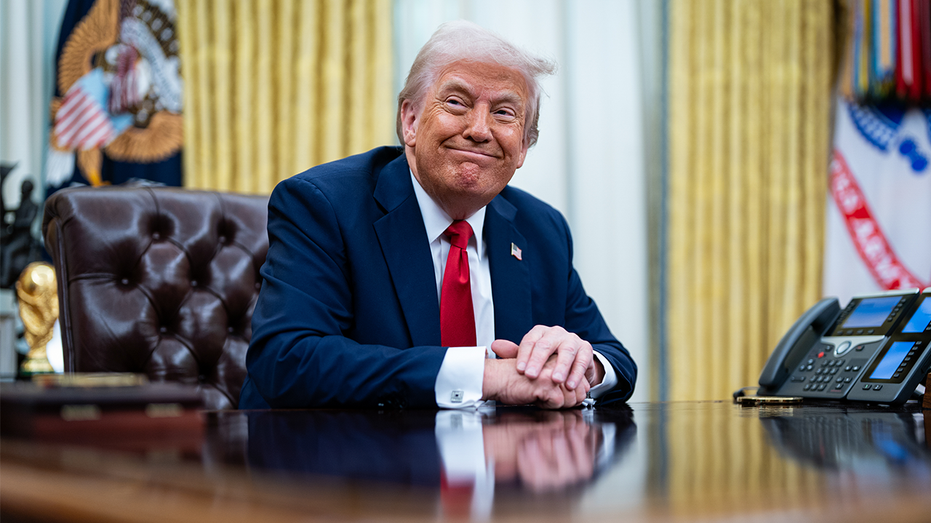
Trump, speaking on the matter, stated that the oil handover would occur "immediately," with the proceeds from sales at market prices controlled by the U.S. government and intended to benefit both Americans and the Venezuelan people. "Venezuela is turning over 30 million to 50 million barrels of oil to the United States," Trump said Tuesday, according to reports from Fox News, Channel News Asia, and Newsmax. The announcement follows Maduro's capture by U.S. forces over the weekend, an event described by Florida Republican Sen. Rick Scott as a "great day for Venezuelans" during an appearance on Newsmax's "The Record With Greta Van Susteren."
The capture has rattled Caracas residents, exacerbating economic strains in the oil-dependent nation. Al Jazeera reported long queues and price hikes in the capital, with shoppers stocking up on supplies amid fears of further instability after what locals described as U.S. bombing and Maduro's abduction. "Residents of the capital Caracas remain rattled after the US abduction of Maduro, leading some to stock up on supplies," the report noted, highlighting unease over immediate shortages.
This development caps weeks of escalating frictions. Just days earlier, on January 2, Venezuelan officials signaled openness to U.S. talks amid military tensions. President Maduro expressed willingness to discuss drug trafficking with Washington, even as he sidestepped questions about a recent U.S.-claimed attack on Venezuelan drug infrastructure. Rated as critical and high severity events by monitoring services, these overtures hinted at potential de-escalation. However, the rapid sequence of U.S. military actions appears to have preempted negotiations, leading to Maduro's detention.
Parallel to the oil transfer, maritime incidents underscore ongoing challenges with Venezuela's so-called "dark fleet" – aging tankers used to evade international sanctions on its oil exports. Fox News reported that the Venezuelan tanker Marinera escaped U.S. Coast Guard interception in the Caribbean, adopting a Russian identity and fleeing toward the Irish coast. Russia formally requested the U.S. halt its pursuit, highlighting Moscow's continued support for Venezuelan oil shipments despite Western pressure. This evasion tactic has been a hallmark of Venezuela's strategy since tightened U.S. sanctions under previous administrations limited PDVSA, the state oil company, from using conventional shipping.
Background on Venezuela's Crisis
Venezuela's geopolitical turmoil traces back over a decade, rooted in economic collapse under Maduro's socialist policies, hyperinflation, and U.S. sanctions imposed since 2017 over human rights abuses, election fraud, and ties to drug cartels. The U.S. withdrew recognition of Maduro after the disputed 2018 election, backing opposition leader Juan Guaidó as interim president until 2023. Oil, once the backbone of Venezuela's economy with the world's largest proven reserves, has been weaponized in the standoff: sanctions froze assets and barred imports, prompting the dark fleet's emergence with help from allies like Russia, China, and Iran.
Recent U.S. claims of strikes on drug trafficking sites – amid Maduro's openness to talks on January 2 – fit a pattern of designating Venezuela as a narcostate. The Biden administration had pursued limited dialogues, but Trump's return has accelerated confrontation, culminating in Maduro's capture. Sen. Scott's comments reflect bipartisan U.S. hawkishness, particularly from Florida's Cuban-American community opposed to Maduro's regime.
Outlook Amid Uncertainty
The oil transfer could inject liquidity into Venezuela's battered economy while bolstering U.S. energy security, though details on logistics, interim governance, and distribution remain unclear. Proceeds are to be managed by Trump, potentially funding relief or reconstruction. However, the Marinera incident signals persistent sanction-busting efforts, with Russia intervening directly.
In Caracas, public anxiety lingers. Shoppers face rising prices for basics, evoking the 2010s shortages that drove millions to emigrate. As Venezuela navigates post-Maduro transition, international actors – including the UN, EU, and regional powers like Brazil and Colombia – watch closely. Whether this marks stabilization or further volatility depends on U.S.-Venezuela coordination and responses from Maduro allies.
The events underscore a volatile U.S.-Latin America dynamic, where energy resources, narcotics, and regime change intersect. Further U.S. statements on Maduro's status and oil mechanics are anticipated soon.
(Word count: 712)






