
Venezuela Tensions Simmer After US Military Operation, as Maduro Signals Openness to Drug Talks Amid Oil Blockade Challenges
Caracas, Venezuela – Venezuelan President Nicolás Maduro has expressed willingness to engage in discussions with the United States on drug trafficking issues, even as he sidesteps questions about a recent US-claimed military attack in the country. This comes amid ongoing US efforts to curb Venezuela's oil exports through a blockade, with state-run oil company PDVSA continuing to receive tankers. International reactions have poured in following the US operation, including condemnations from regional powers and support from Russia, while the Trump administration prepares meetings with US oil executives.
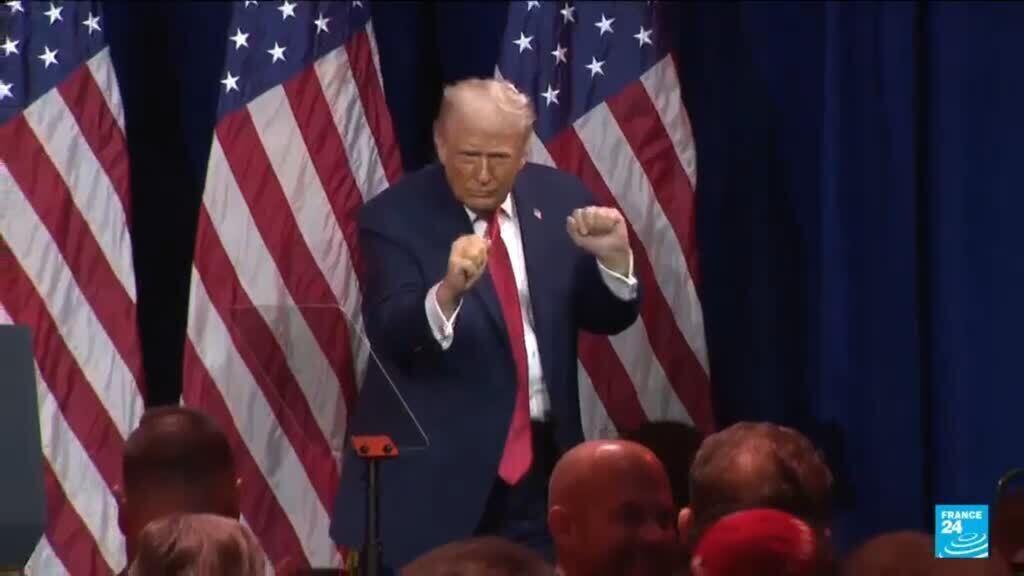
The developments mark a volatile period in US-Venezuela relations, exacerbated by a US military operation over the weekend prior to January 6, 2026. According to reports, the action prompted an emergency meeting of the Organization of American States (OAS), where Brazil, Mexico, and Colombia condemned the US intervention. FRANCE 24 correspondent Monte Francis highlighted the "stunning series of events" in Venezuela that preceded US President Donald Trump's announcement of meetings with American oil executives. These consultations, set for this week, signal potential shifts in US policy toward Venezuela's vital energy sector.
Maduro's overture on drug trafficking emerged on January 2, 2026, when he indicated openness to talks with Washington. However, he avoided direct commentary on the US-claimed attack, which has heightened geopolitical friction. This stance aligns with broader efforts by Caracas to navigate sanctions and isolation, particularly as Venezuela grapples with economic pressures from restricted oil sales—its primary revenue source.
Parallel to diplomatic signals, Venezuela's oil infrastructure remains active despite a US blockade aimed at reducing crude exports. On December 30, 2025, oil tankers were reported arriving at Venezuelan ports, underscoring PDVSA's determination to sustain operations. The blockade, part of longstanding US measures against Maduro's government, has sought to limit funding for the regime amid allegations of human rights abuses, election irregularities, and narco-trafficking ties. Yet, the persistence of tanker arrivals suggests workarounds, possibly involving third-party shipping or allied nations, though specific details on destinations or buyers remain undisclosed in available reports.
Russia has firmly positioned itself behind Venezuela, with Moscow affirming Caracas's "sovereignty" and right to determine its future "without external interference," as stated in a January 6 Anadolu Agency report. Russian officials urged dialogue as the preferred path forward, echoing a pattern of Kremlin support for Maduro dating back to deepened ties during the tenure of his predecessor, Hugo Chávez. This backing includes military and economic aid, which has helped Venezuela weather US sanctions imposed since 2017.
Background on Venezuela's Geopolitical Standoff
Venezuela's crisis traces roots to a 2014 economic collapse triggered by plummeting oil prices, mismanagement, and US sanctions intensified under both Trump and Biden administrations. Maduro, who won a disputed 2018 election, has faced opposition claims of authoritarianism, including the 2024 presidential vote widely viewed internationally as fraudulent. The US has recognized opposition figure Edmundo González as the legitimate winner, while maintaining secondary sanctions on PDVSA to choke oil revenues estimated at over 90% of exports.
The recent US military operation—details of which are sparse beyond claims of responsibility—represents an escalation from economic pressure to direct action. Regional condemnation at the OAS underscores Latin America's wariness of US interventionism, reminiscent of past incursions in the region. Brazil under President Lula da Silva, Mexico's Claudia Sheinbaum, and Colombia's Gustavo Petro have prioritized multilateralism, advocating de-escalation.
Trump's oil executive meetings could foreshadow renewed "maximum pressure" tactics from his incoming administration, which begins its term on January 20, 2026. During his first presidency (2017-2021), Trump orchestrated sanctions that halved Venezuela's oil production and prompted a humanitarian exodus of over 7 million people.
Outlook Amid Uncertainty
As Maduro tests waters for drug-related dialogue, the US operation and blockade persist as flashpoints. PDVSA's tanker arrivals indicate resilience, but sustained pressure could exacerbate Venezuela's hyperinflation and shortages. Russia's call for talks offers a counterbalance, potentially drawing in other actors like China, a major PDVSA creditor.
Analysts will watch Trump's oil meetings for clues on easing or tightening sanctions. With OAS divisions exposed and Maduro balancing defiance with outreach, Venezuela remains a tinderbox in hemispheric geopolitics, where economic levers and military posturing collide.
(Word count: 612)






