
Venezuela Signals Diplomatic Thaw with US Amid Reports of Russian Geopolitical Overture
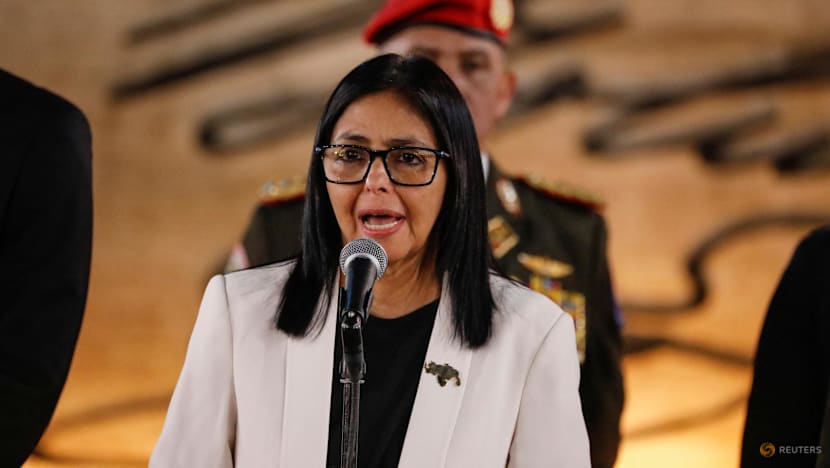
Caracas, Venezuela – In a potential shift in long-strained relations, Venezuela's government under interim President Delcy Rodríguez has initiated exploratory talks with the United States to restore full diplomatic ties, including the re-establishment of missions in both countries. The announcement comes just days after claims surfaced that Russia offered the US a "free hand" in Venezuela in exchange for concessions on Ukraine, highlighting intensifying geopolitical maneuvering in the South American nation.
Venezuela's Foreign Minister announced the decision on Saturday, January 10, 2026, stating that the administration of interim President Delcy Rodríguez – a key figure in the ruling United Socialist Party of Venezuela (PSUV) and sister to longtime Vice President Diosdado Cabello – has authorized an "exploratory diplomatic process" with Washington. This move aims to normalize relations severed since 2019, when the US withdrew its diplomatic personnel from Caracas amid escalating tensions over the Venezuelan political crisis.
The development follows a claim made on January 6, 2026, by a former adviser to US President Donald Trump, who asserted that Russia had proposed granting the United States unrestricted influence over Venezuela in return for flexibility in negotiations over Ukraine. While unverified by official channels, the allegation underscores Russia's historical role as a staunch ally to Venezuela's leadership, providing military, economic, and diplomatic support amid Western sanctions.
Details of the Diplomatic Initiative
According to the Channel News Asia report, the Venezuelan foreign minister emphasized the exploratory nature of the talks, which could pave the way for resuming embassy operations and addressing longstanding issues such as oil sanctions and migration. Rodríguez's interim presidency emerged from Venezuela's protracted political standoff, where President Nicolás Maduro's disputed 2024 reelection victory was rejected by the opposition and much of the international community, leading to widespread protests and US non-recognition of his mandate.
Delcy Rodríguez, previously sanctioned by the US for alleged corruption and human rights abuses, assumed the interim role amid internal PSUV negotiations and opposition pressure. Her administration has signaled pragmatism, including limited economic reforms to attract investment in Venezuela's vast oil reserves – the world's largest proven reserves – which have been crippled by sanctions imposed since 2017.
No immediate response from the US State Department was available as of publication, but the timing aligns with the Trump administration's foreign policy priorities, including energy security and countering Chinese and Russian influence in the Western Hemisphere.
The Russian Offer Claim
The reported Russian overture, described as offering the US a "free hand" in Venezuela, was publicized by the unnamed former Trump adviser on January 6. This claim arrives against a backdrop of Russia's deepened ties with Caracas since 2014, when Moscow stepped in with loans, arms deals, and wheat shipments to offset US-led isolation efforts. Venezuela has repaid this support by providing discounted oil and serving as a platform for Russian geopolitical projection in Latin America.
Such a deal, if true, would represent a rare instance of Moscow conceding ground in a proxy sphere to gain leverage elsewhere. Russia has faced its own sanctions over Ukraine since 2022, and Venezuela's oil has helped circumvent some Western restrictions. Analysts note that any US concessions on Ukraine – potentially involving territorial or sanctions relief – would fit into ongoing, albeit stalled, peace talks.
Historical Context and Background
US-Venezuela relations have deteriorated sharply since Hugo Chávez's era (1999-2013), when socialist policies nationalized oil assets and aligned Caracas with anti-US powers like Russia, China, and Iran. Tensions peaked in 2019 when the US recognized opposition leader Juan Guaidó as interim president, prompting the full embassy closure.
Subsequent years saw partial thaws: In 2022-2023, the Biden administration eased some oil sanctions in exchange for electoral guarantees, but Maduro's opposition crackdown ahead of the July 2024 vote reversed progress. Opposition figure Edmundo González Urrutia claimed victory based on tally sheets, fleeing to Spain amid arrest threats. The US, EU, and others withheld recognition, imposing fresh sanctions.
Russia's involvement escalated post-2022 Ukraine invasion, with Venezuelan jets escorted by Russian Sukhoi fighters and joint military exercises. China, holding much of Venezuela's $60 billion debt, has also urged stability.
Venezuela's crisis has humanitarian dimensions: Hyperinflation, food shortages, and 7.7 million emigrants since 2014 have strained neighbors like Colombia and Brazil.
Implications and Outlook
The diplomatic overture could signal Venezuela's pivot toward pragmatism to alleviate economic woes, with GDP contracting over 70% since 2013. Restored ties might unlock Chevron-led oil production, currently at 800,000 barrels per day – a fraction of pre-crisis peaks – benefiting US energy markets amid global supply concerns.
Geopolitically, it intersects with great-power competition. A US "free hand" via Russian acquiescence could diminish Moscow's Latin American foothold, while Ukraine talks gain urgency under Trump's second term.
However, challenges persist: Opposition demands free elections, and Maduro loyalists retain influence. Success hinges on verifiable progress, with risks of renewed impasse if talks falter.
As Venezuela navigates this crossroads, the world watches whether diplomacy can bridge divides forged over decades of confrontation.
(Word count: 712)






