
Venezuela Plunges into Chaos: State of Emergency Declared Amid Maduro Ouster and Alleged U.S. Military Strikes
Caracas, Venezuela – Venezuela's government has declared a state of emergency, mobilizing supporters for protests against what it calls U.S. "imperialist" military strikes, as the nation grapples with the dramatic ousting of longtime President Nicolás Maduro and the swearing-in of Vice President Delcy Rodríguez as interim leader. The high-severity crisis, which began on January 3, 2026, underscores deepening political divisions and risks escalating civil unrest in the oil-rich South American country already strained by years of economic collapse and international sanctions.
The declaration of the state of emergency came on Saturday, January 3, at 09:05 GMT, amid reports of U.S. military actions targeting Venezuelan infrastructure or leadership—details of which remain unverified by independent sources. Venezuelan authorities framed the move as a defensive response to external aggression, urging loyalists to take to the streets in a show of national unity. This call to action has heightened tensions, with opposition groups and international observers warning of potential violence as pro-government rallies clash with demonstrators demanding democratic reforms.
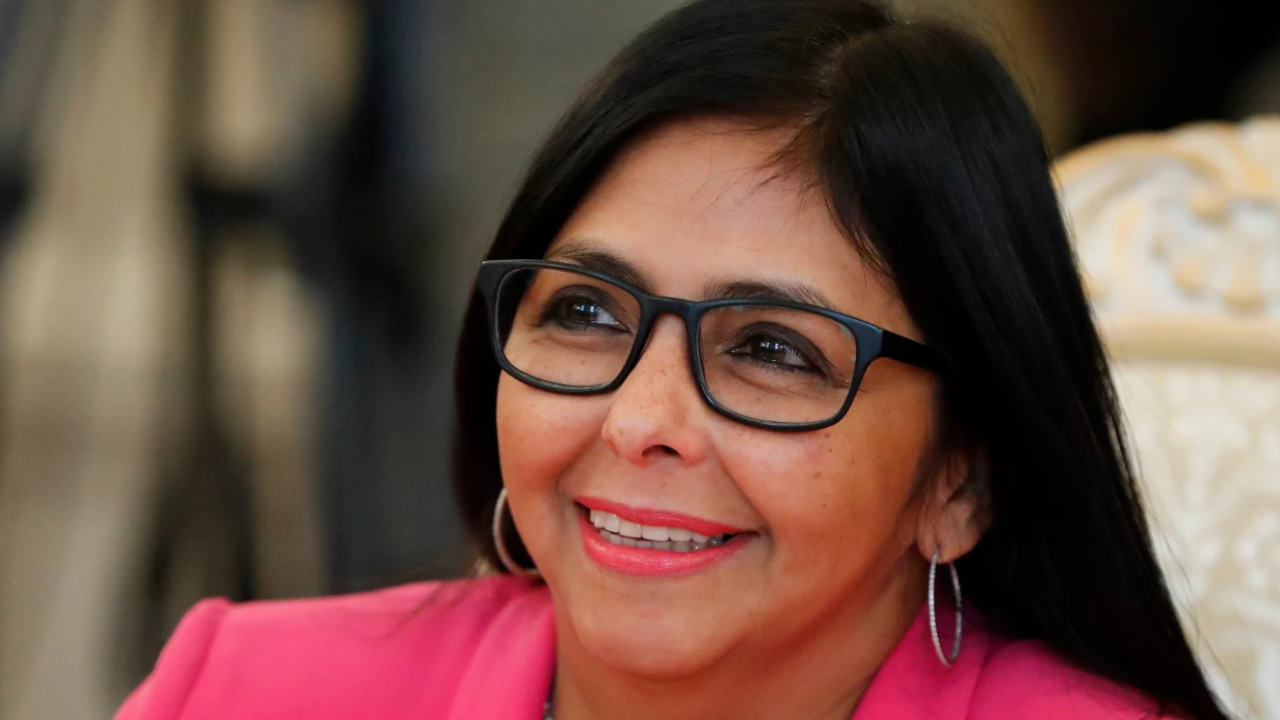
Just two days later, on Monday, January 5, Delcy Rodríguez—Maduro's longtime vice president and a key figure in the ruling United Socialist Party of Venezuela (PSUV)—was sworn in as interim president following Maduro's abrupt ouster. According to reports from the Times of India, the transition marks a significant upheaval in Venezuela's leadership, though the circumstances of Maduro's removal remain opaque. Neither the source nor official statements have clarified whether the ouster resulted from internal military pressure, popular uprising, or external intervention, fueling speculation across global media.
Rodríguez's ascension comes at a precarious moment. As interim president, she now oversees a government invoking emergency powers, which could include curfews, media restrictions, and military deployments—standard measures in Venezuela's history of political crises. The move echoes past declarations, such as the 2019 nationwide emergency amid widespread protests against Maduro's disputed re-election.
Escalating Civil Unrest and Fractured Loyalties
The call for protests against U.S. strikes has already sparked scattered demonstrations in Caracas and other major cities, blending pro-government fervor with underlying discontent. Supporters of the PSUV, clad in red party colors, have gathered in plazas waving Venezuelan flags and decrying "Yankee imperialism," a narrative long employed by chavismo—the political movement founded by Hugo Chávez and continued by Maduro. However, these mobilizations risk colliding with opposition strongholds, where citizens frustrated by hyperinflation, food shortages, and electoral fraud allegations have staged intermittent unrest for years.
Venezuela's opposition, led by figures like María Corina Machado and exiled presidential candidate Edmundo González Urrutia from the 2024 disputed elections, has not issued a unified response. Historical patterns suggest they may view Rodríguez's interim role as a continuation of PSUV dominance rather than genuine transition, potentially galvanizing counter-protests. Security forces, including the Bolivarian National Guard, have been placed on high alert, with reports of roadblocks and increased patrols in the capital.
International reactions have been swift but divided. The United States, through the State Department, has historically recognized opposition leaders as Venezuela's legitimate representatives during past crises, such as Juan Guaidó's 2019 self-proclamation as interim president. No official confirmation of military strikes has emerged from Washington, but U.S. officials have long imposed sanctions on Maduro allies, including Rodríguez herself, whom the U.S. Treasury designated in 2019 for alleged narco-trafficking ties. Russia and China, key Maduro backers providing loans and military aid, have condemned any perceived U.S. involvement, while Brazil and Colombia—neighbors hosting millions of Venezuelan refugees—called for dialogue to avert a refugee surge.
Background: A Decade of Crisis
Venezuela's turmoil traces back to the death of Hugo Chávez in 2013, after which Maduro assumed power amid falling oil prices that devastated the economy reliant on petroleum exports. Hyperinflation peaked at over 1 million percent in 2018, prompting mass emigration—over 7.7 million Venezuelans have fled since 2014, according to United Nations data. Disputed elections in 2018 and 2024 triggered massive protests, with security forces accused by Human Rights Watch of over 300 killings during 2017-2019 unrest.
The 2024 presidential vote, where opposition polls showed González defeating Maduro, was marred by fraud claims after the National Electoral Council declared Maduro the winner without releasing precinct-level tallies. This fueled ongoing civil unrest, international isolation, and economic sanctions totaling billions from the U.S. and EU. Maduro's ouster represents a potential inflection point, but Rodríguez's PSUV roots suggest continuity in socialist policies and anti-Western rhetoric.
Outlook: Brink of Wider Conflict
As Venezuela navigates this emergency, the risk of broader civil unrest looms large. Pro-government protests could swell into sustained mobilizations, while economic woes—exacerbated by any conflict—threaten further instability. Regional leaders and the United Nations have urged restraint, with the Organization of American States scheduling an emergency session. Whether Rodríguez can stabilize the nation or if her tenure sparks renewed opposition defiance remains uncertain, but the convergence of internal power shifts and alleged foreign intervention has placed Venezuela at a volatile crossroads.
(Word count: 712)






