
Venezuela Oil Tankers in 'Dark Mode' Return Amid U.S. Seizures and Reports of Russian Geopolitical Overture
Caracas/Washington, Jan. 11, 2026 – Sanctioned Venezuelan oil tankers operating in "dark mode" to evade detection have returned to port just as the United States ramps up enforcement against Nicolás Maduro's regime, seizing vessels and eyeing the country's vast oil reserves. The developments coincide with claims of a surprise Russian diplomatic proposal granting the U.S. a "free hand" in Venezuela in exchange for Ukraine concessions, highlighting escalating great-power rivalries over Latin America's energy powerhouse.
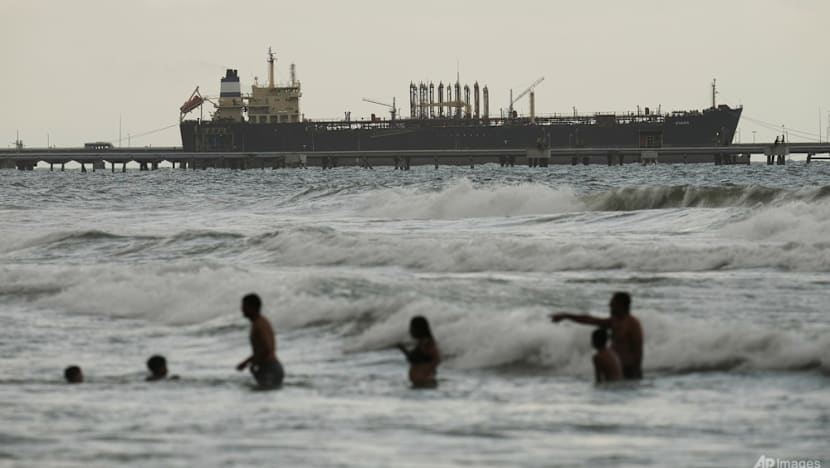
Analysts tracking maritime data reported that several sanctioned tankers departed Venezuelan waters earlier this week, only for at least four to reverse course and return. According to Channel News Asia, the movements signal potential disruptions in Venezuela's shadowy oil trade, long sustained by a "shadow fleet" of vessels that disable their Automatic Identification Systems (AIS) – known as "dark mode" – to dodge U.S. and international sanctions. Fox News detailed how these four tankers, which had sailed in this clandestine manner, turned back toward Venezuelan ports amid heightened U.S. naval scrutiny.
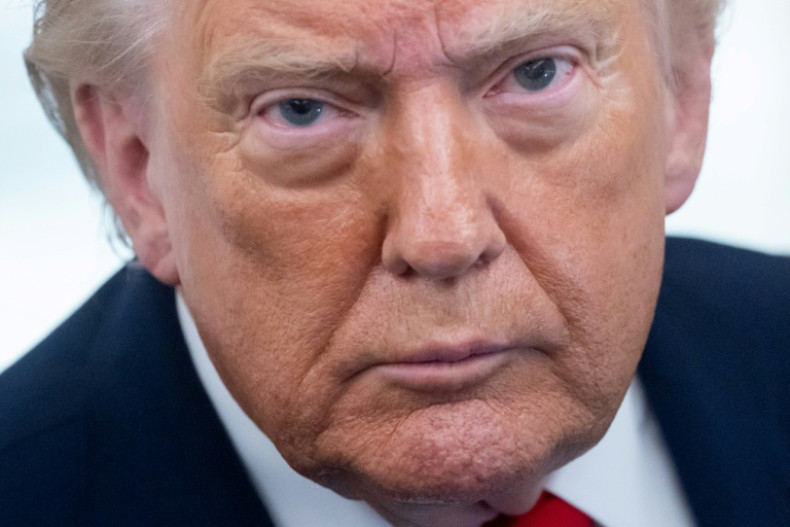
The U.S. actions form part of a broader crackdown under President Donald Trump's administration, which has vowed aggressive measures against Maduro's government. Reports indicate American authorities have already seized multiple vessels involved in illicit Venezuelan oil shipments. Trump's rhetoric has grown bolder, with public statements pushing for U.S. acquisition of Venezuelan oil assets to counter both Maduro's authoritarianism and reliance on adversarial powers like Russia and China. "Venezuela's oil is there for the taking if we enforce our sanctions properly," a senior U.S. official told Fox News, underscoring the strategic imperative as global energy prices fluctuate.
These tanker incidents underscore Venezuela's precarious position in global geopolitics. The South American nation holds the world's largest proven oil reserves – estimated at over 300 billion barrels by OPEC – but production has plummeted from 3 million barrels per day in the early 2000s to around 800,000 bpd today, crippled by U.S. sanctions imposed since 2017. Washington targets Maduro over election fraud allegations, human rights abuses, and suppression of opposition leader María Corina Machado and her protégé Edmundo González following the disputed July 2024 presidential vote, which Maduro claimed to win amid widespread international condemnation.
Background: Sanctions, Shadow Fleets, and Great-Power Proxy Battles
U.S. sanctions, intensified after Maduro's contested re-election, aim to starve the regime of revenue while pressuring it toward democratic reforms. However, Venezuela has circumvented restrictions through alliances with Russia, China, Iran, and Cuba. Russia, in particular, has provided military support, including Wagner Group mercenaries (now Africa Corps) and Su-30 fighter jets, while helping refine and ship oil via a fleet of aging, often uninsured tankers.
The shadow fleet tactic – turning off AIS transponders – allows these vessels to transfer cargoes at sea, reflag under obscure jurisdictions, or deliver to buyers in Asia and elsewhere willing to overlook sanctions. Analysts from TankerTrackers.com, cited in both reports, noted the recent departures from Venezuelan terminals like Jose and La Ceiba, with returns possibly triggered by U.S. Coast Guard interceptions or logistical issues.
Adding a dramatic layer, a former adviser to President Trump claimed on January 6 that Russia privately offered the U.S. a "free hand" in Venezuela – effectively standing down its support for Maduro – in exchange for concessions in the Ukraine conflict. This alleged proposal, if true, would mark a seismic shift in Moscow-Washington dynamics, where Venezuela has served as a proxy battleground. Russia has invested billions in PDVSA joint ventures and uses Venezuelan oil to fund its war economy, while the U.S. views Maduro's ouster as key to regional stability and energy security.
Experts caution that such claims remain unverified, with no official confirmation from the Kremlin or White House. Nonetheless, they reflect intensifying diplomatic jockeying. U.S. Secretary of State Marco Rubio has repeatedly linked Venezuela to broader threats, including Iranian drone shipments and Chinese infrastructure loans totaling $60 billion.
Outlook: Escalation Risks in Oil-Rich Flashpoint
The tanker returns could presage further U.S. seizures, potentially escalating tensions. Venezuela's oil minister, Malena Vásquez, dismissed the developments as "imperialist harassment," vowing continued exports to "friendly nations." Chevron, the sole major U.S. firm still operating under a limited license expiring in May, pumps about 200,000 bpd but faces uncertainty.
As Trump pushes for Chevron's expansion or outright U.S. control – echoing his past calls to "take their oil" like in Iraq – Maduro's allies may double down. Russia and China, holding $10 billion and $20 billion in PDVSA debt respectively, have little incentive to cede ground without ironclad deals.
International observers, including the UN and EU, urge dialogue via the Barbados Agreement framework, but prospects dim. With global oil markets volatile amid Middle East strife and winter demand, Venezuela's maneuvers could ripple worldwide, amplifying geopolitical stakes from Caracas to Kyiv.
(Word count: 712)