Venezuela Holds Mass Funeral for Dozens of Soldiers Killed in US Military Operation Targeting Maduro
Caracas, Venezuela – Venezuela's military conducted a somber mass funeral in the capital on Wednesday for dozens of soldiers killed during a U.S. military operation over the weekend aimed at capturing former President Nicolás Maduro, highlighting a dramatic escalation in tensions between Washington and Caracas.
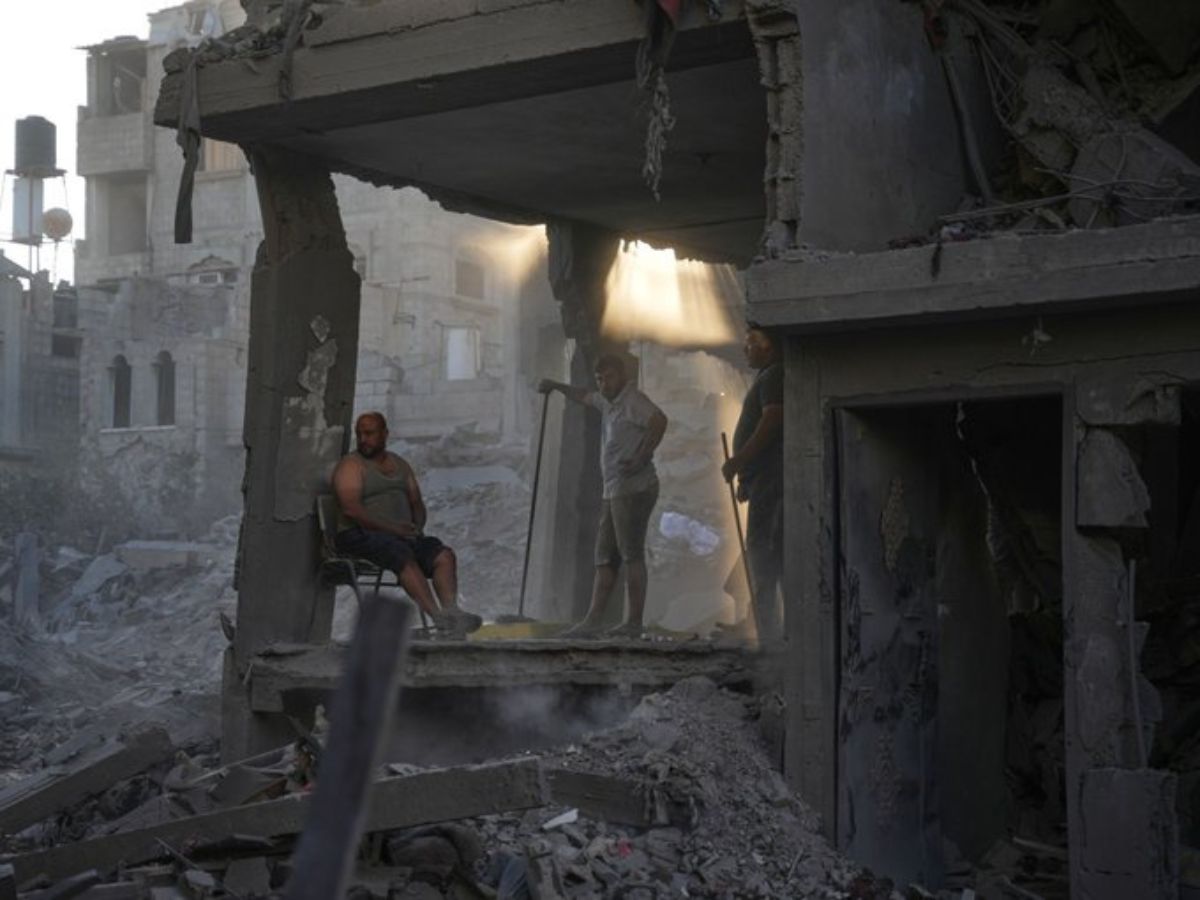
The ceremony, held in the heart of Caracas, saw Venezuelan service members carry wooden caskets draped in the national flag past grieving families and officials, marking a public display of mourning amid reports of significant casualties. The funerals underscore the human cost of the U.S. action, which began on Saturday, January 3, 2026, and represents a bold shift in American foreign policy under President Donald Trump.
According to reports, the operation targeted Maduro, who is now referred to as the former president, suggesting either a successful capture or displacement. Venezuelan state media and military spokespersons described the incursion as an unprovoked aggression, with the funerals serving as both a commemoration and a rallying point for national unity against external interference.
Details of the US Operation and Immediate Aftermath
The U.S. military action commenced early on January 3, catching Venezuelan forces off guard and leading to intense clashes. While specific details on the scope of the operation remain limited, it involved direct efforts to apprehend Maduro, resulting in the deaths of numerous Venezuelan soldiers. Newsmax reported that "dozens" were slain, with the mass burial on January 7 providing the first public visuals of the fallout.
Images from the funeral showed rows of flag-draped coffins, carried by fellow soldiers in dress uniforms, as crowds gathered in reverence. Venezuelan military leaders used the event to vow retaliation and resilience, framing the losses as sacrifices in defense of sovereignty. No official U.S. confirmation of Maduro's capture has been detailed in available reports, but the operation's objective aligns with longstanding U.S. calls for regime change in Venezuela.
Casualty figures from the Venezuelan side have not been independently verified, but the scale prompted a national day of mourning. International observers noted the operation's precision, likely involving special forces, though broader U.S. military involvement has sparked global concern over potential wider conflict.
Historical Context and US Policy Shift
The U.S.-Venezuela rift dates back over two decades, rooted in the Bolivarian Revolution under Hugo Chávez and intensified under Maduro's rule since 2013. Chronic economic collapse, hyperinflation, and allegations of electoral fraud led to mass protests and a humanitarian crisis, displacing millions. The U.S. responded with sanctions starting in 2017, culminating in recognition of opposition leader Juan Guaidó as interim president in 2019 during Trump's first term.
Trump's return to the White House in 2025 has revived aggressive rhetoric toward Maduro's government. Campaign promises included intensified pressure for regime change, viewing Venezuela as a hub for illicit activities tied to Iran, Russia, and drug cartels. The January 3 operation marks the first overt U.S. military intervention, diverging from previous strategies of economic isolation and diplomatic isolation.
Maduro's tenure has been marked by disputed elections, including the contested 2018 vote boycotted by opposition parties, and crackdowns on dissent. Russia and China have provided economic and military support, complicating U.S. efforts. The recent action risks drawing in these allies, with Moscow condemning it as "imperialist aggression" in early statements.
International Reactions and Regional Implications
Latin American nations expressed alarm, with Brazil and Colombia bolstering border security amid fears of refugee surges. The United Nations called for restraint, urging dialogue over force. European Union foreign ministers scheduled emergency talks, while China warned of "severe consequences" for U.S. actions.
In the U.S., the operation drew partisan divides. Trump administration officials defended it as necessary to end Maduro's "dictatorship," citing intelligence on human rights abuses and narco-trafficking. Critics, including some Democrats, questioned the legality and potential for quagmire, evoking parallels to past interventions in Iraq and Libya.
Outlook Amid Escalation
As Venezuela buries its fallen, the path forward remains uncertain. The success of the U.S. objective—Maduro's capture—could accelerate regime transition but risks insurgency or civil war. Venezuelan opposition figures have remained cautious, calling for peaceful power-sharing.
The world watches closely, as this high-severity event could redefine hemispheric security. Diplomatic channels, though strained, offer the slimmest hope for de-escalation before further military entanglements.
(Word count: 612)