

Ukraine Strikes Oil Depot in Crimea
Ukrainian forces have conducted strikes on Russian targets, including an oil depot in Crimea and air defence systems in occupied territories and Russia.[3] These operations highlight ongoing military engagements, with Ukraine's air defence systems downing over 2,100 Russian assets in April 2026.[2] Among the notable actions, Ukraine's Achilles Brigade destroyed a Russian Nebo-M radar valued at US$100 million in Belgorod Oblast.[4] Additionally, oil pollution from a Ukrainian-attacked facility in Russia's Ust-Luga region has reached Estonia's beaches.[1] President Zelenskiy has affirmed that Ukraine will continue to extend the range of its strikes into Russia.[5] In this strike, Ukraine demonstrated precision targeting against key infrastructure, underscoring the evolving dynamics of the conflict.
Key Facts in Recent Ukrainian Operations
Recent developments in the conflict feature several verifiable achievements by Ukrainian forces. Ukraine's "small" air defence system, comprising interceptor drone units and helicopters, successfully downed more than 2,100 Russian assets during April 2026 alone.[2] This figure represents a significant defensive milestone, illustrating the system's capacity to neutralize a high volume of incoming threats over a single month. The term "small" air defence refers specifically to these mobile, tactical units designed for rapid response, which have proven effective against diverse Russian aerial incursions.
Another critical event involved the destruction of a Russian Nebo-M radar in Belgorod Oblast by crews from the 429th Achilles Brigade, with the asset valued at US$100 million.[4] The Nebo-M is a sophisticated radar system used for long-range detection and tracking, making its loss a substantial blow to Russian surveillance capabilities in the region. Video evidence accompanying reports confirms the operation's success, providing visual documentation of the strike's impact.
Environmental repercussions have also emerged from Ukrainian strikes. Fuel oil pollution discovered on Estonia's northern coast has been traced to Russia's Ust-Luga region, where oil processing facilities sustained attacks by Ukraine last month.[1] Estonia's Environmental Board has confirmed the origin, linking the spill directly to the damaged infrastructure. This incident marks a spillover effect into neighboring countries, with the pollution manifesting as fuel oil washing ashore.
President Volodymyr Zelenskiy emphasized Ukraine's strategic posture, stating that the country would keep increasing the range of its strikes within Russia.[5] He shared footage purportedly showing an attack on a target over 1,500 km (930 miles) away, signaling an escalation in operational reach. These facts collectively paint a picture of multifaceted Ukrainian military efforts, balancing offensive strikes with robust defense.
Overview of Ukrainian Strikes
Ukrainian defence forces have executed a series of coordinated strikes targeting Russian military and logistical assets across multiple regions.[3] On 28 April and into the night of 28-29 April, operations focused on air defence assets, radar systems, logistics facilities, and UAV command posts. These strikes occurred in Russia's Kursk Oblast, as well as in the temporarily occupied territories of Crimea, Zaporizhzhia, and Donetsk oblasts.[3] The inclusion of Crimea, a strategically vital area under Russian control since 2014, underscores the breadth of Ukraine's operational scope.
The oil depot in Crimea served as a prominent target, integral to Russian fuel supply chains supporting occupied areas.[3] Air defence systems, essential for protecting Russian positions from Ukrainian incursions, were also hit, potentially creating vulnerabilities in defensive postures. UAV command posts, which coordinate drone operations—a key element in modern warfare—faced direct disruption.[3] Logistics facilities, responsible for sustaining troop movements and equipment, further compounded the impact on Russian sustainment efforts.
This overview reveals a pattern of strikes aimed at degrading Russian command, control, and logistical networks. By hitting assets in both deep Russian territory like Kursk Oblast and frontline occupied zones, Ukrainian forces demonstrate growing interoperability between long-range precision strikes and localized operations.[3] The timing, clustered around late April, aligns with intensified Russian aerial activity, suggesting a responsive strategy to counter ongoing threats. These actions not only inflict material damage but also challenge Russian operational tempo across the theater.
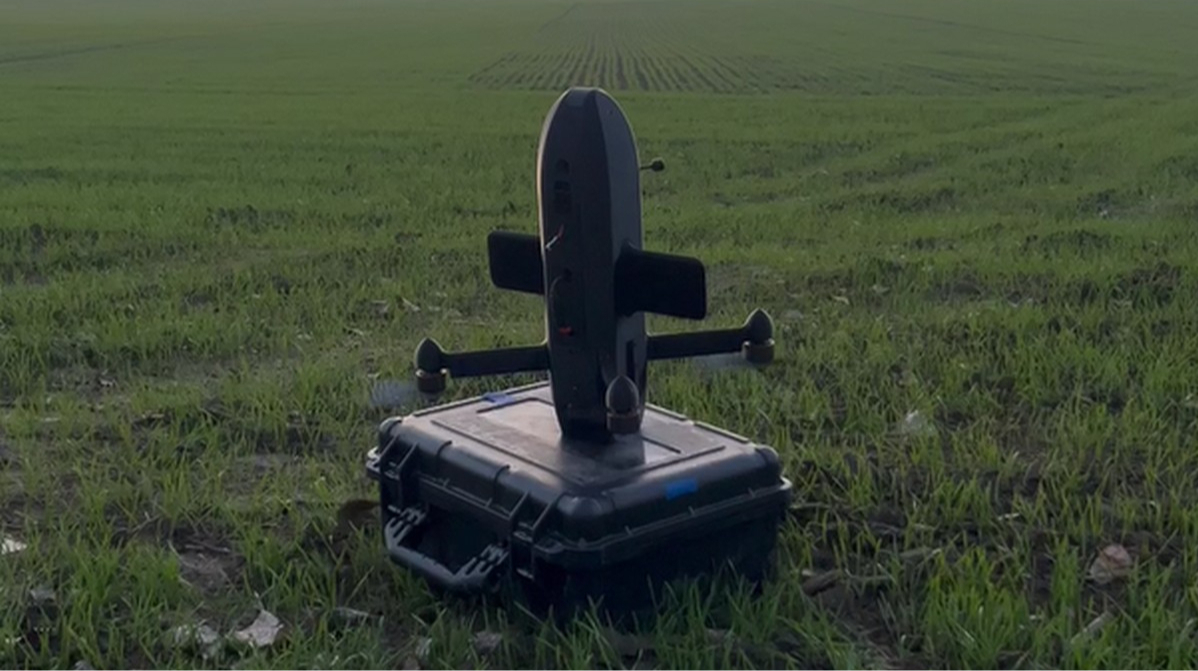
Ukraine's air defence system downs over 2,100 Russian assets in April 2026. — Source: ukrainskapravda
Specific Targets and Assets Destroyed
Detailed accounts highlight the precision and impact of Ukrainian strikes on high-value Russian equipment.[3][4] In Crimea, an oil depot was struck, disrupting fuel storage and distribution critical for military logistics in the Black Sea region.[3] Air defence systems across occupied Zaporizhzhia and Donetsk oblasts were targeted, aiming to neutralize protections against Ukrainian drones and missiles. Radar systems in Kursk Oblast fell victim to these operations, impairing Russian early-warning capabilities.[3]
A standout achievement came from the 429th Achilles Brigade, which destroyed a Nebo-M radar in Belgorod Oblast.[4] Priced at US$100 million, this advanced system provides three-dimensional tracking of aerial targets over vast distances, making it a cornerstone of Russian air defence architecture. The brigade's crews executed the strike with documented video footage, capturing the radar's destruction and confirming its neutralization.[4] Belgorod Oblast's proximity to Ukraine amplifies the strategic value of this loss, as it covers key border surveillance zones.
UAV command posts in occupied territories were also dismantled, severing coordination for Russian drone swarms frequently used in reconnaissance and strikes.[3] Logistics facilities sustained hits, hampering supply lines that feed frontline units. These specific targets collectively erode Russian advantages in detection, aerial dominance, and resupply. The Nebo-M's destruction alone represents a multimillion-dollar setback, equivalent to neutralizing multiple lesser assets.[4] Ukrainian strike capabilities, evident in these operations, reflect investments in intelligence-driven targeting and long-range munitions.[3]
Defensive Successes and Operations
Ukraine's air defence has demonstrated remarkable efficacy, with the "small" air defence system accounting for over 2,100 Russian assets downed in April 2026.[2] This category encompasses interceptor drone units and helicopters, which operate as agile, decentralized forces complementing larger systems. The monthly tally—exceeding 2,100—indicates sustained high-tempo engagements, likely against Shahed drones, cruise missiles, and manned aircraft launched by Russia.
The success of these units lies in their mobility and rapid deployment, allowing interception across wide frontlines.[2] In a conflict marked by persistent Russian aerial barrages, downing such a volume prevents potential strikes on civilian and military infrastructure. April 2026's figures suggest an optimization of tactics, possibly incorporating real-time intelligence sharing and upgraded interceptors. Helicopters within this system provide versatile platforms for anti-drone operations, while drone interceptors offer cost-effective counters to Russia's massed unmanned threats.
These defensive operations dovetail with offensive strikes, creating a layered approach. By neutralizing over 2,100 assets, Ukraine not only preserves its own capabilities but also forces Russia to expend resources on replacements.[2] The "small" designation belies their outsized impact, proving that tactical innovations can yield strategic results in prolonged attrition warfare.
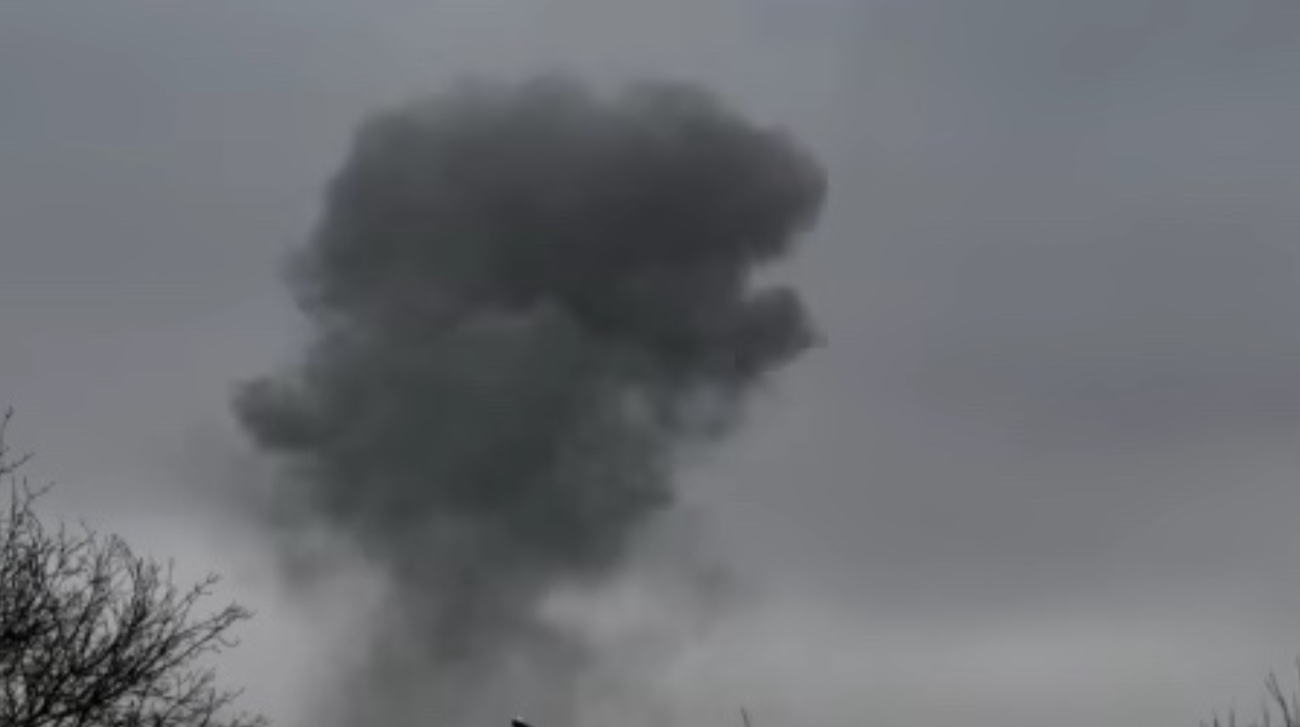
Ukrainian forces strike an oil depot in Crimea. — Source: ukrainskapravda
Environmental and Regional Impacts
Strikes on Russian infrastructure have led to unintended environmental consequences extending beyond the conflict zone.[1] Oil pollution from Russia's Ust-Luga region has washed up on Estonia's northern coast, confirmed by the Environmental Board as originating from Ukrainian attacks on oil processing facilities last month.[1] Ust-Luga, a major port and processing hub on the Gulf of Finland, processes significant volumes of fuel oil, making it a logical target for disrupting Russian energy logistics.
The pollution manifests as fuel oil deposits, posing risks to coastal ecosystems, wildlife, and local economies dependent on beaches.[1] Estonia's northern shoreline, now affected, highlights how military actions in one area ripple into NATO member states. The Environmental Board's tracing of the spill directly to the attacked facilities establishes a clear causal link, with the attacks occurring approximately a month prior to detection.[1]
This incident illustrates broader regional implications, as pollution navigates maritime currents from Russian waters into Estonian territory. Cleanup efforts and monitoring will be required, straining resources in a non-combatant nation. While the strikes achieved their military objectives, the oil spill serves as a reminder of collateral effects in energy-targeted operations.[1]
Destruction of High-Value Radar Systems
The elimination of the Russian Nebo-M radar by Ukraine's Achilles Brigade merits separate examination due to its technical and economic significance.[4] Located in Belgorod Oblast, this US$100 million asset featured advanced capabilities for detecting stealth aircraft and ballistic missiles at extended ranges.[4] The 429th Brigade's operation, supported by video evidence, showcases Ukraine's ability to penetrate Russian rear areas and strike sophisticated electronics.
Nebo-M radars form part of Russia's integrated air defence network, providing data to surface-to-air missile systems.[4] Its destruction disrupts surveillance over eastern Ukraine and border regions, potentially enabling safer Ukrainian incursions. The brigade's success reflects specialized training in anti-radar tactics, likely involving drones or precision-guided munitions tailored for electronic warfare targets.
Economically, the $100 million valuation underscores the asymmetry: Ukraine inflicts high costs with relatively lower-expenditure strikes.[4] This event, occurring alongside broader operations, amplifies pressure on Russian replacement and maintenance logistics.
Statements on Future Actions
President Volodymyr Zelenskiy has publicly committed to expanding Ukraine's strike range deep into Russia.[5] In a statement on Wednesday, he affirmed that Ukraine would continue increasing these distances, accompanied by footage of an attack on a target over 1,500 km (930 miles) away.[5] This declaration aligns with recent upticks in long-range operations, aimed at neutralizing threats originating from Russian territory.
Zelenskiy's post emphasizes footage verification, bolstering claims of reach extending far beyond frontline zones.[5] Ukraine has stepped up such attacks in recent weeks, targeting assets that support Russian offensives. The 1,500 km mark represents a notable extension, potentially involving advanced missiles or drones with enhanced propulsion.
This policy signals sustained pressure, with implications for Russian strategic depth. Zelenskiy's transparency via shared media aims to rally domestic and international support while deterring further aggression.[5]
What to watch next: Monitor Ukraine's air defence performance amid ongoing Russian asset launches, potential escalation in strike ranges beyond 1,500 km as stated by Zelenskiy, and environmental remediation efforts for Ust-Luga oil pollution affecting Estonia.[1][2][5]






