
Venezuela Earthquake Leaves 5,346 Dead and Coastal Towns Struggling for Supplies
Nearly one month after the Venezuela earthquake struck on June 24, official figures report 5,346 deaths and 16,740 injuries from the magnitude 7.2 and 7.5 events, with 1,405 aftershocks recorded and over 23,000 people living in transitional camps. [5] [3] Coastal communities continue to face disrupted supplies, altered seabeds, and health impacts on children as the response shifts from emergency measures to structured operations. [1] [2]
Overview of the Earthquakes and Official Toll
The Venezuela earthquake sequence began on June 24 with two major shocks of magnitude 7.2 and 7.5. [5] Authorities have recorded 1,405 aftershocks since those initial events, including one 18 days later with an epicenter at sea that renewed fears along the coast. [5] [1] Official tallies stand at 5,346 people killed and 16,740 injured. [5] Nearly one month later the humanitarian response in Venezuela is rapidly transitioning from the immediate emergency phase to a more structured, large-scale operation. [3] Humanitarian needs remain immense, with thousands still displaced in host communities or informal settlements alongside the more than 23,000 people in transitional camps. [3]
Impact on Coastal Communities and the Sea
The Venezuela earthquake produced immediate and lasting changes to the sea along the central coast. During the June 24 shocks the water pulled back several meters, leaving boats stranded on the sand and prompting a tsunami alert that forced residents to abandon the shoreline. [1] Coastal villagers gathered to sleep in town squares or cacao-drying yards for days afterward because they feared the water more than solid ground. [1] Eighteen days later an aftershock with an epicenter at sea renewed those fears. [1] Fishermen report that the seabed has changed, with sand replaced by rock in some areas and depths increasing beyond the previous 10-meter marks. [1] In Chichiriviche de la Costa, catches that were strong immediately after the tremor later dropped sharply. [1] NASA confirmed surface displacement of up to 60 centimeters, altering local geography in ways that match observations from Trinidad where the ground rose six meters. [1]

Venezuela earthquake response map shows affected coastal areas and displacement sites as of July 2026. — Source: reliefweb
Housing Damage, Displacement, and Access to Supplies
Towns such as Puerto Cruz, Puerto Maya, Cepe, and Chichiriviche de la Costa recorded no human casualties and damage levels lower than those in La Guaira. [1] Homes built of unfinished concrete blocks or bahareque collapsed or cracked, yet residents describe the destruction as less widespread than in the hardest-hit city. [1] These communities remain partially cut off from their former main supplier, Catia La Mar, forcing longer land trips or boat deliveries for basic goods. [1] One resident in Chichiriviche de la Costa reported traveling an hour by road to Carayaca for supplies that previously arrived locally. [1] Over 23,000 people live in transitional camps, while thousands more remain displaced in host communities or informal settlements. [3] Damaged housing and basic infrastructure continue to drive these displacement figures nearly one month after the Venezuela earthquake. [3]
Effects on Children's Health and Psychosocial Well-being
Plan International reports that the physical and mental health of children and adolescents is increasingly affected by conditions in the hardest-hit zones. [2] Inadequate housing, accumulation of debris, and changes in caregiving arrangements are deepening these impacts nearly one month after the June 24 earthquakes. [2] The organization highlights invisible effects on girls, boys, and adolescents that extend beyond visible injuries and require sustained attention as recovery proceeds. [2]

Referential map shows Brisas del Aeropuerto area in La Guaira, Venezuela, after the June 24 earthquake. — Source: reliefweb
Infrastructure Challenges and Community Adaptations
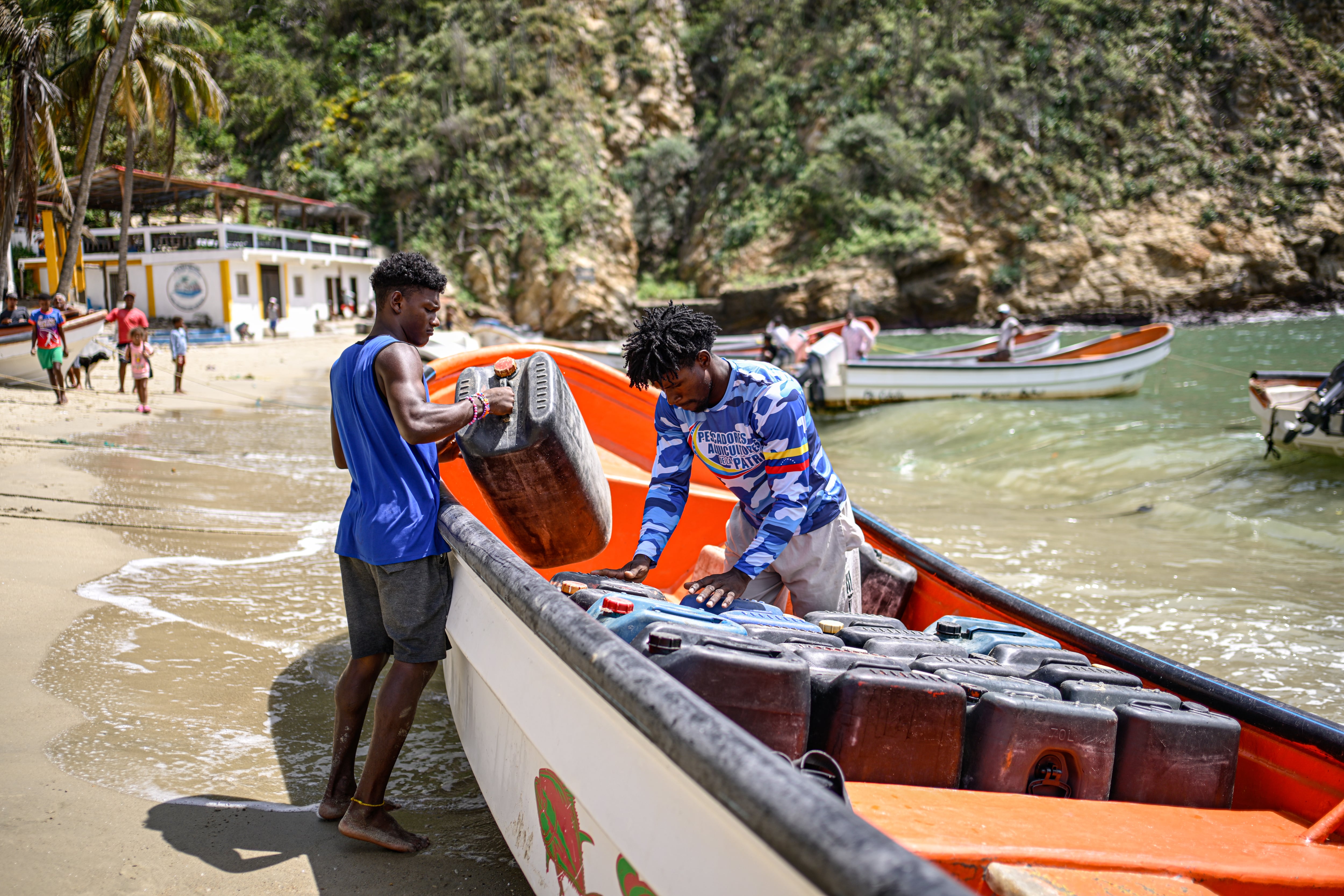
Power outages last more than five hours daily under a prolonged rationing system that has affected towns outside Caracas for years and has been extended after the earthquake. [1] Phone service remains limited because a state-run antenna collapsed; a single Starlink unit in one location now provides partial mitigation. [1] Boats, the main link between coastal towns, operate on restricted fuel supplies and must travel over an hour to La Zorra Port, where residents pool jerry cans on one vessel to share limited refills. [1] With the gasoline obtained, crews continue fishing and carrying supplies. [1] Early signs of tourism returning appear in less-affected areas, with visitors from Barquisimeto reaching Cepe and operators in Choroní preparing for more arrivals because La Guaira beaches were damaged. [1]
Humanitarian Response Status
The United Nations system and partner organizations continue expanding the response one month after the Venezuela earthquake. [5] Situation reports describe immense remaining needs in housing and basic infrastructure as operations move from emergency actions to structured programming. [3] [5] Over 23,000 people in transitional camps and thousands more in host communities or informal settlements underscore the scale of requirements still facing responders. [3]
What to watch next: Continued expansion of the UN and partner response alongside persistent gaps in housing and basic infrastructure that authorities and organizations have identified as the operation scales up.