
Venezuela Earthquake Death Toll Rises to Nearly 3,900 as PAHO Warns of Critical Health Emergency
The Pan American Health Organization has warned that the emergency following the 7.2- and 7.5-magnitude earthquakes in north-central Venezuela on June 24 has entered a critical phase, with at least 3,811 people dead, around 18,000 injured, more than 17,000 displaced, and the country’s strained healthcare system facing severe challenges including risks of disease outbreaks. The Venezuela earthquake sequence has produced updated casualty figures that continue to climb as authorities compile reports from the affected states.
Overview of the Earthquakes and Casualties
The 7.2- and 7.5-magnitude earthquakes struck north-central Venezuela on June 24, registering as the strongest event the country has experienced since 1900. [2] As of early July, Venezuelan authorities reported a death toll of 3,889, with 16,740 people injured and 17,907 left homeless. [2] A preliminary analysis based on satellite data estimates that 58,870 buildings are fully or partially destroyed across the impacted region. [2] These figures reflect the scale of destruction in states including La Guaira, where large portions of infrastructure sustained severe damage from the double quake. [2]
PAHO Warning on Critical Health Emergency
The Pan American Health Organization warned that the emergency has entered a critical phase after the Venezuela earthquake. [1] PAHO stated that at least 3,811 people died, around 18,000 were injured, hundreds suffered fractures and amputations, more than 17,000 were displaced, some 400 remained hospitalized, and over 300 bodies stayed unidentified. [1] The organization noted that many victims who underwent surgery or suffered amputations still require consolidation of recovery data, while others face months of rehabilitation. [1] PAHO director Jarbas Barbosa emphasized that the greatest health risks in coming weeks may stem from interruptions to health services, overcrowding, inadequate water and sanitation, and reduced access to vaccination and routine care. [1]

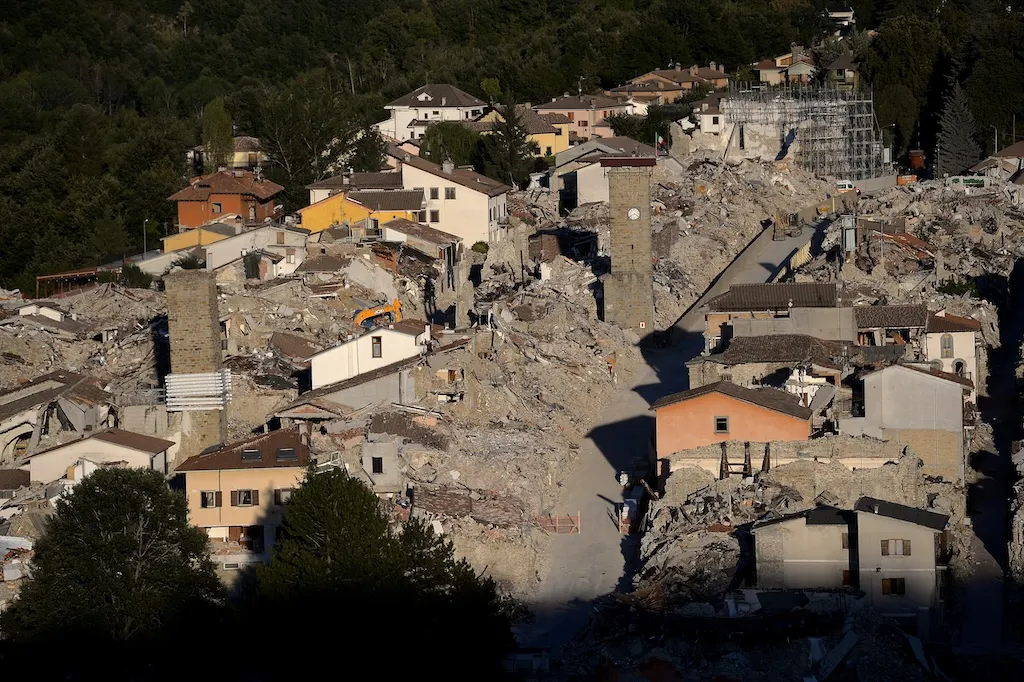
Venezuela earthquake death toll approaches 3,900 amid critical health emergency. — Source: vg
Challenges in Victim Identification and Forensic Response
More than 300 recovered bodies have yet to be conclusively identified following the Venezuela earthquake. [1] Ciro Ugarte, director of PAHO’s Department of Health Emergencies, described the process of recovering, georeferencing, identifying, documenting, and subjecting each body to genetic testing as very hard work in the face of such loss of life. [1] Reports have emerged of bodies going missing from improvised morgues. [1] Venezuela’s forensic service is developing a process to archive stable genetic material such as teeth, bones, and nails so that families can later claim and cross-reference data with the deceased. [1] All remains are placed in urns and properly handled to allow future re-examination at any time. [1]
Impact on Venezuela’s Healthcare System
Although more than 50 hospitals remain operational across the seven affected states, many function at reduced capacity due to quake-related damage and preexisting shortcomings in Venezuela’s healthcare system. [1] PAHO’s assessment identified three hospitals with structural damage severe enough to require evacuation, another 24 that sustained damage temporarily affecting operations, 20 with minor damage, 20 specialized outpatient facilities that were damaged, and more than 100 primary-care units affected, including 20 with severe damage. [1] In the first hours after the quakes, inpatient wards designed for 50 beds held more than 200 patients, and many services lacked essential items to respond. [1] Healthcare capacity has been especially reduced in La Guaira, where half of the health workforce has been lost because staff members died, remain missing, were injured, or lost their homes and relocated. [1] Venezuela had already postponed booster shots and reduced the number of vaccination centers at the beginning of June, complicating efforts to guarantee access to vaccines. [1]

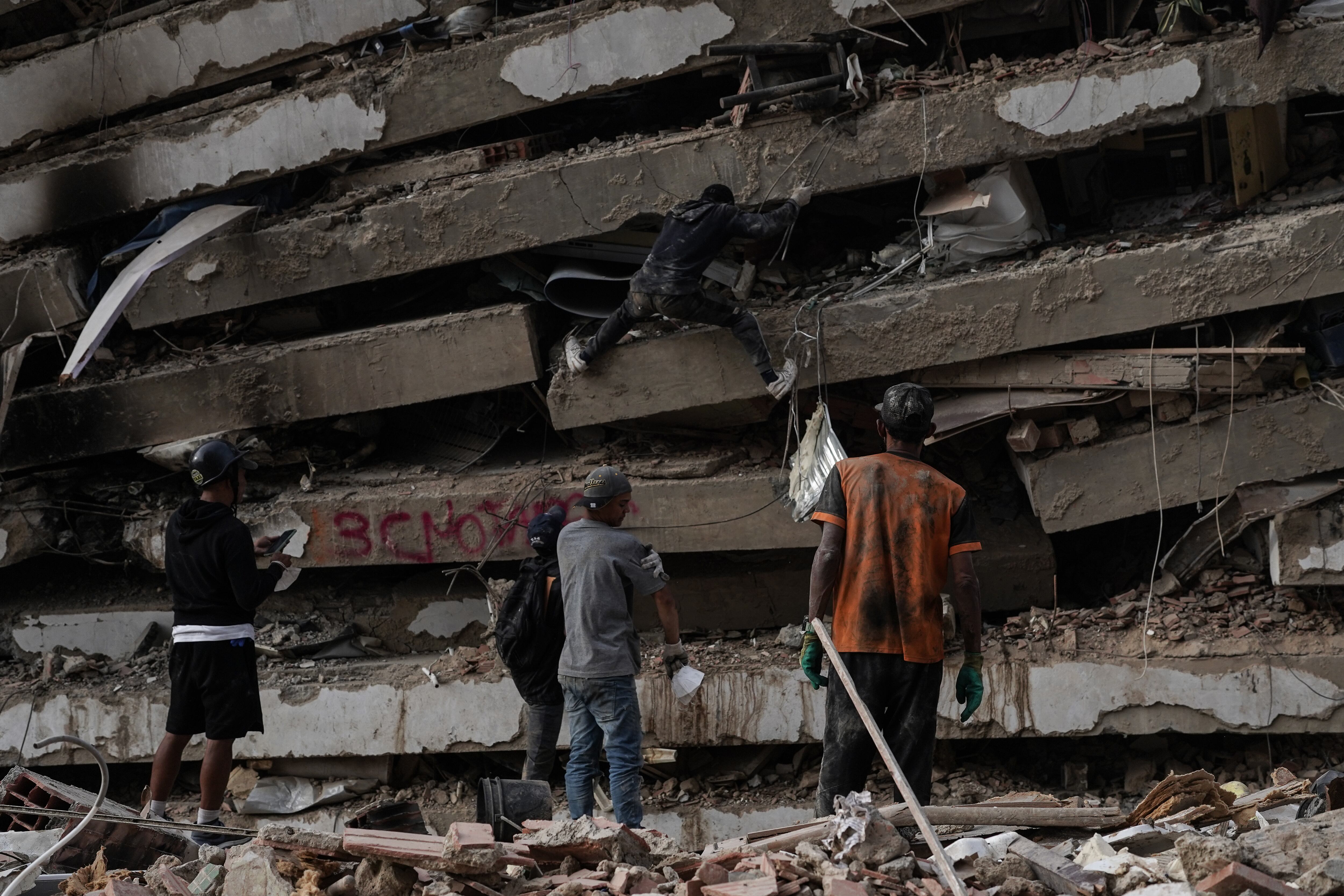
Venezuela appeals to Japan for continued support after deadly earthquakes. — Source: japantimes
Debris Removal, Environmental Risks and Shelter Conditions
Specialists warned that debris removal presents both public-health and environmental challenges after the Venezuela earthquake. [1] Beyond locating human remains, authorities must prevent new sources of contamination through comprehensive environmental risk management. [1] People living in the more than 80 shelters established by authorities face the highest risk of disease outbreaks due to overcrowding, inadequate water and sanitation, and reduced access to vaccination. [1] PAHO noted that Venezuela already had vaccination coverage indicators below what would be necessary before the earthquakes occurred. [1]
International Appeals and Support
Venezuela’s ambassador to Japan appealed for sustained international support following the June 24 earthquakes. [3] Ambassador Seiko Ishikawa spoke at a reconstruction event in Tokyo and noted that no country understands the challenges of post-earthquake recovery better than Japan. [3] The embassy has received pledges exceeding ¥25 million from Japanese companies and organizations. [3] Ishikawa said Venezuela received swift and heartfelt support from the Japanese government and businesses, calling it an immense source of encouragement. [3] Among those attending was pitcher Andres Machado, who helped Venezuela capture its first World Baseball Classic title in March and stated that the country has the unity needed to overcome adversity. [3]
What to watch next: PAHO continues to monitor interruptions to health services and disease risks in shelters, while Venezuelan authorities work to identify the remaining bodies and restore operational capacity in damaged health facilities.