
Venezuela Declares State of Emergency as Opposition Leader Vows Return Amid Reported Crackdown
Caracas, Venezuela – Venezuela's government declared a state of emergency on January 3, 2026, calling on supporters to mobilize in protests against what it described as U.S. military strikes and an "imperialist attack." The high-severity measure comes amid heightened political tensions, as opposition leader Maria Corina Machado, a Nobel Peace Prize recipient, pledged to return to the country despite an alleged escalation in the regime's crackdown on dissent and journalists.
The declaration, issued at approximately 9:05 a.m. GMT on Saturday, January 3, marks a significant escalation in the country's ongoing civil unrest. According to official statements, the Maduro administration framed the emergency as a response to external aggression, urging citizens to take to the streets in defense of national sovereignty. This mobilization call has raised concerns about potential clashes between pro-government demonstrators and opposition groups, exacerbating Venezuela's fragile political landscape.
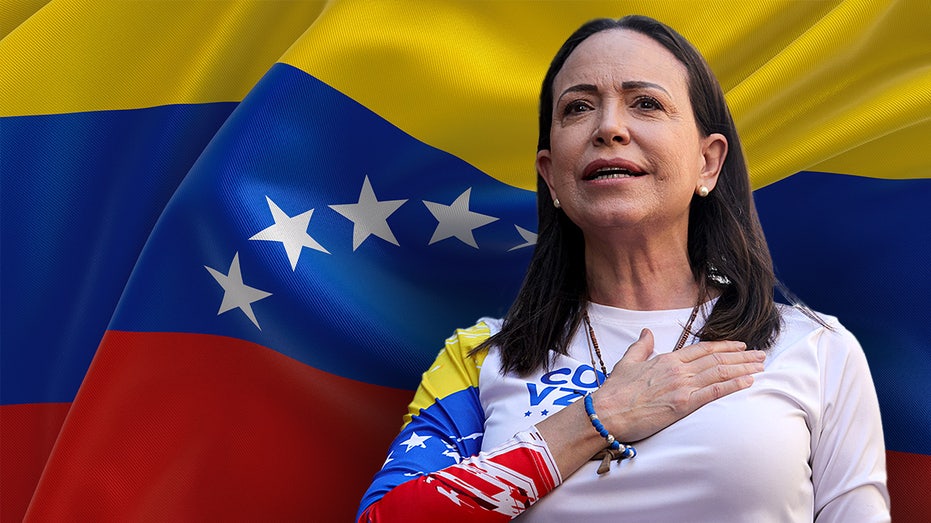
Just days later, on January 6, Machado publicly committed to returning home, highlighting what she described as an "alarming" internal crackdown. Speaking from exile, the prominent opposition figure accused the regime of intensifying repression against dissidents and media workers. "The situation inside Venezuela is dire," Machado stated, vowing defiance in the face of reported widespread arrests and harassment. Her pledge underscores the deepening divide between the government and opposition forces, who have long challenged President Nicolás Maduro's authority.
The state of emergency empowers the government with expanded powers, including potential restrictions on movement, assembly, and media operations—tools frequently employed in past crises. Pro-government rallies have already begun in Caracas and other major cities, with state media broadcasting calls for unity against foreign intervention. However, independent reports suggest that opposition supporters remain undeterred, organizing counter-demonstrations despite risks of arrest.
Context of Venezuela's Prolonged Crisis
Venezuela's civil unrest is rooted in a protracted political and economic crisis that dates back over a decade. Under President Maduro, who succeeded Hugo Chávez in 2013, the country has faced hyperinflation, widespread shortages, and a mass exodus of over 7 million citizens, according to United Nations estimates. The opposition, led by figures like Machado, gained momentum following the disputed July 2024 presidential election, where Maduro claimed victory amid allegations of fraud. International observers, including the U.S. and European Union, rejected the results, leading to sanctions and diplomatic isolation.
Machado, a former lawmaker and economist, emerged as a leading voice after being disqualified from running in the 2024 vote. Her barring from office propelled her to symbolic leadership of the opposition, culminating in her recognition with the Nobel Peace Prize—an accolade that has amplified her global profile. The recent emergency declaration appears linked to U.S. military actions, though specifics remain unverified in public reports. Tensions with Washington have simmered for years, with the U.S. imposing sanctions on Venezuelan officials over human rights abuses and election irregularities.
Human rights organizations, such as Human Rights Watch, have documented over 2,000 arbitrary detentions since the 2024 vote, including opposition lawmakers and journalists. Machado's return pledge evokes memories of past confrontations, such as the 2019 protests where security forces deployed tear gas and rubber bullets, resulting in dozens of deaths.
Government Response and Opposition Defiance
The Maduro government has portrayed the U.S. strikes as justification for defensive measures, with Foreign Minister Yván Gil condemning them as "acts of war" in state television addresses. Chavistas—loyalists to the socialist movement—have mobilized under slogans like "Patria o Muerte" (Homeland or Death), echoing rhetoric from Chávez's era. Yet, the opposition views the emergency as a pretext to stifle dissent, particularly as Machado's planned return could galvanize street protests.
In her Fox News interview published January 6, Machado emphasized the regime's targeting of journalists, noting that at least 15 media outlets have been shuttered or intimidated since late 2025. "This is not just about me; it's about every Venezuelan fighting for freedom," she said, signaling her intent to lead from within the country.
International reactions have been swift. The U.S. State Department reiterated support for democratic forces, while Brazil and Colombia called for de-escalation along their borders, citing refugee flows. The Organization of American States scheduled an emergency session for January 7 to address the unrest.
Outlook Amid Uncertainty
As protests intensify, Venezuela teeters on the brink of broader confrontation. The state of emergency, with no specified end date, could prolong restrictions and fuel economic strain in a nation already grappling with 150% annual inflation and oil production at historic lows. Machado's return—potentially within days—may serve as a flashpoint, testing the regime's tolerance for opposition activity.
Analysts warn that without dialogue, mediated perhaps by regional powers, the unrest could spiral, drawing in international actors. For now, Venezuelans brace for what could be one of the most volatile periods since the 2017 constitutional crisis, with the eyes of the world fixed on Caracas.
(Word count: 728)