Venezuela Declares State of Emergency as Civil Unrest Escalates Amid Reports of Maduro's Capture and Militia Crackdowns

Latest from X
Venezuela Declares State of Emergency as Civil Unrest Escalates Amid Reports of Maduro's Capture and Militia Crackdowns
Caracas, Venezuela – Venezuela's government has declared a state of emergency, mobilizing supporters to protest against alleged U.S. military strikes, as reports emerge of intensified crackdowns by armed pro-government militias targeting perceived opponents on the streets of major cities. The measures, announced on January 3, 2026, come amid heightened tensions, including unconfirmed reports of President Nicolás Maduro's capture, marking a sharp escalation in the country's ongoing political crisis.
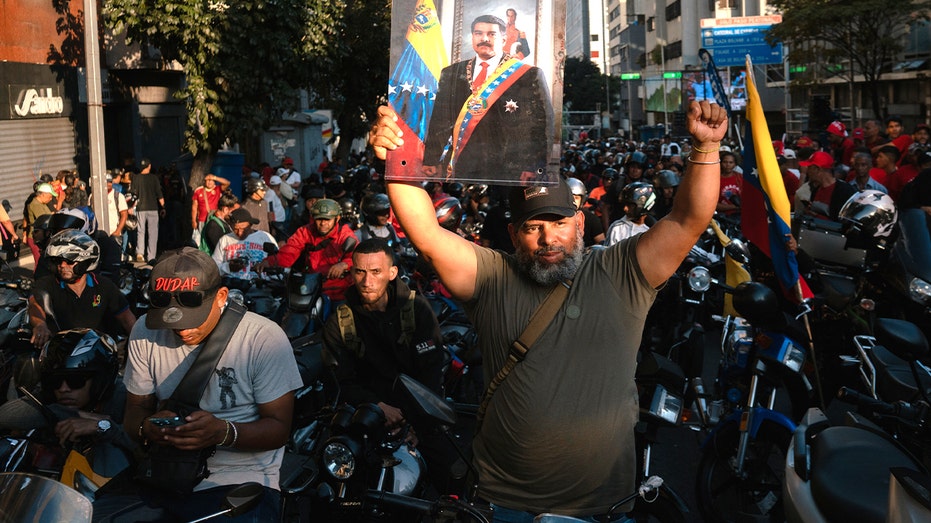
The state of emergency declaration, described by officials as a response to an "imperialist attack" from the United States, has called for widespread mobilization of government loyalists. Authorities have framed the U.S. actions as direct military aggression, urging citizens to take to the streets in defense of the nation. This move coincides with reports of civil unrest, including street-level confrontations and searches conducted by motorcycle-riding paramilitary groups known as colectivos. These militias, long aligned with the ruling United Socialist Party of Venezuela (PSUV), have reportedly intensified operations in urban areas like Caracas, hunting for individuals identified as "Trump supporters" – a reference to opponents perceived as aligned with former U.S. President Donald Trump's policies toward the Maduro regime.
According to a Fox News report published on January 6, 2026, Diosdado Cabello, a powerful PSUV leader and close ally of Maduro, is spearheading these paramilitary efforts. The article details mobs of armed colectivos patrolling Venezuelan streets, conducting house-to-house searches and public roundups as part of a broader crackdown. The timing of these actions follows the "reported capture" of Maduro, though Venezuelan state media has not confirmed this development, and independent verification remains elusive amid communication blackouts and restricted access for foreign journalists.
Eyewitness accounts cited in the report describe chaotic scenes: armed riders on motorcycles weaving through neighborhoods, detaining individuals based on political affiliations or social media activity. The colectivos, which have historically acted as enforcers for the government during periods of opposition protests, are accused of using excessive force, including beatings and arbitrary arrests. This surge in militia activity has exacerbated fears of widespread violence, with human rights groups – though limited in their on-the-ground reporting – expressing alarm over potential mass detentions.
Historical Context and Background
Venezuela's political landscape has been marked by deep divisions since the death of former President Hugo Chávez in 2013, with Maduro's leadership facing international sanctions, economic collapse, and repeated waves of protests. The colectivos emerged in the early 2000s as community-based groups supporting the Bolivarian Revolution but have evolved into armed paramilitary units, often operating with tacit government approval. Organizations like Human Rights Watch and Amnesty International have documented their role in suppressing dissent, including during the 2014, 2017, and 2019 protest waves that resulted in hundreds of deaths.
U.S.-Venezuela relations have deteriorated further under successive administrations, with Trump-era policies imposing crippling oil sanctions and recognizing opposition leader Juan Guaidó as interim president in 2019. Recent reports of U.S. military strikes – unconfirmed by Washington but decried by Caracas – appear to reference escalated covert operations or drone activities amid Venezuela's alliances with Russia, Iran, and China. Diosdado Cabello, a former military officer and head of the Constituent Assembly, wields significant influence as Maduro's potential successor or regent, frequently using his TV show Con el Mazo Dando to rally hardliners.
The current unrest builds on a pattern of emergency decrees; Maduro invoked similar powers in 2019 amid hyperinflation and blackouts. Economic woes persist, with inflation hovering above 100% annually despite oil revenues, fueling migration of over 7 million Venezuelans since 2015, per United Nations estimates.
International Reactions and Outlook
The international community has responded cautiously. The U.S. State Department issued a Level 4 travel advisory on January 4, 2026, warning of "armed violence and arbitrary arrests." Neighboring Colombia and Brazil have bolstered border security, fearing refugee flows. The Organization of American States (OAS) called for an emergency session, while Russia and Cuba voiced support for Caracas, condemning U.S. "aggression."
As of January 7, 2026, the situation remains fluid. The state of emergency grants the government broad powers, including curfews and media censorship, potentially prolonging the standoff. Analysts warn of a risk of full-scale civil conflict if Maduro's status remains unclear and militia actions continue unchecked. Opposition figures, operating underground, have urged calm while calling for international intervention.
With militias dominating the streets and protests swelling, Venezuela teeters on the brink. The coming days will test the resilience of its institutions and the resolve of global powers, as the nation grapples with yet another chapter in its turbulent history.
(Word count: 682)
Track this story live
Original Sources
- •
Editorial process: This article was synthesized from the original sources cited above using The World Now's AI editorial system, with byline accountability from our editorial team. We grade every story for source grounding, factual coherence, and on-topic match before publication. Read more about our editorial standards and contributors. Spot something inaccurate? Let us know.
Last updated: January 10, 2026