
Venezuela Declares State of Emergency Amid Rising Tensions
In a significant escalation of political tension, Venezuela's government declared a state of emergency on January 3, 2026, in response to U.S. military strikes that it characterizes as an imperialist attack. The declaration comes as President Nicolás Maduro's administration calls on its supporters to mobilize in protest against perceived foreign aggression, with demonstrations expected to occur both domestically and internationally.
The announcement was made during a government rally, where officials emphasized the need to defend national sovereignty against what they deem external threats. Maduro's administration has referred to the U.S. actions as a hostile incursion, urging citizens to take to the streets in defense of their homeland. "We will not allow any foreign power to dictate our future," Maduro proclaimed, rallying his supporters to gather in various cities across the country.
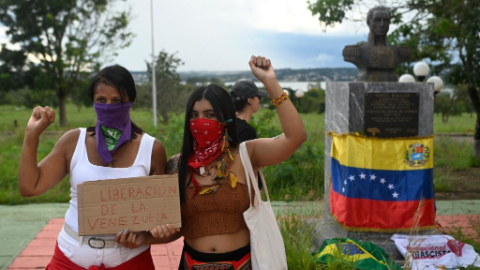
In response to the U.S. military actions, protests have erupted not only in Venezuela but also in multiple countries around the globe. Demonstrators are expressing solidarity with Venezuela, condemning U.S. interventionist policies and calling for an end to military operations in the region. Reports suggest that the protests have been particularly vibrant in nations with strong leftist movements, echoing sentiments of anti-imperialism and solidarity with the Venezuelan government.
The state of emergency grants the government expanded powers to manage the unrest, including the ability to impose curfews and limit gatherings. Critics, however, have expressed concerns that this could lead to further human rights abuses and crackdowns on dissent. The Venezuelan opposition, which has faced severe repression in recent years, remains wary of the government's intentions under this new decree.
The backdrop to these developments includes a long history of strained relations between Venezuela and the United States, particularly during the tenures of various U.S. administrations that have sought to undermine Maduro's rule. The current tensions are reminiscent of previous conflicts where the U.S. has intervened in Latin American affairs, raising fears among Venezuelans of a repeat of historical events marked by violence and destabilization.
In recent years, Venezuela has grappled with a myriad of challenges, including economic collapse, hyperinflation, and widespread shortages of food and medicine. The socio-political landscape remains fraught with division, as the government continues to face pressure from both domestic opposition groups and international actors.
As the situation unfolds, the international community watches closely, with many nations expressing concerns over the implications of U.S. military actions and the potential for escalating violence in the region. Analysts warn that the current crisis could further polarize an already divided society, complicating efforts toward diplomacy and resolution.
In conclusion, Venezuela's declaration of a state of emergency marks a pivotal moment in its ongoing struggle against foreign intervention and internal dissent. As protests begin to materialize both within and outside the country's borders, the outcome of this confrontation between the Venezuelan government and external forces remains uncertain, with potential ramifications for the region as a whole.