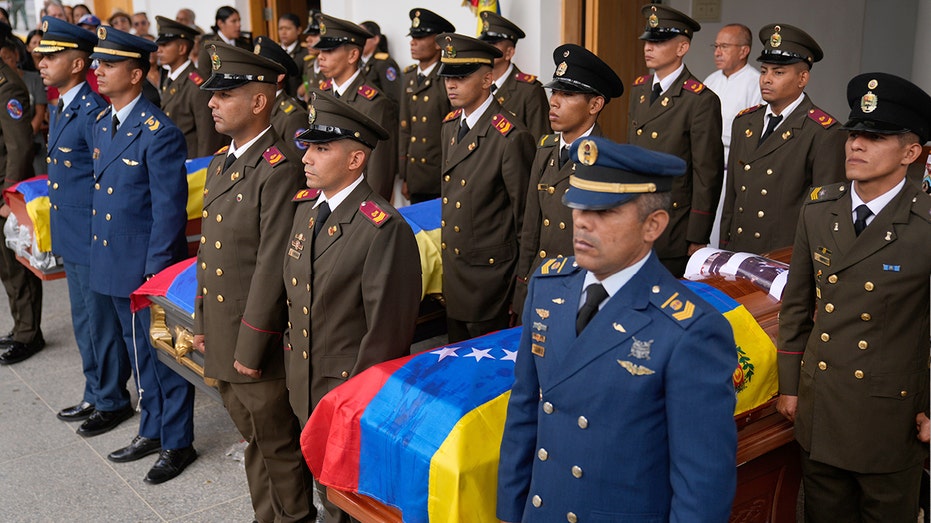

Venezuela Claims 100 Killed in Alleged U.S. Operation to Capture Maduro Following Caracas Explosions
Caracas, Venezuela – Venezuelan officials have accused the United States of launching a covert operation to capture President Nicolás Maduro, resulting in at least 100 deaths, amid reports of multiple explosions in the capital city of Caracas earlier this month. The claims, emerging days after the blasts on January 3, 2026, have heightened tensions between the two nations and raised fears of escalating conflict in the region.
The explosions rocked Caracas on Saturday, January 3, 2026, at approximately 07:43 GMT, prompting widespread alarm due to their high severity and potential for casualties. While initial reports described significant concern over the incidents, new details have linked them to what Venezuelan authorities describe as a foreign military incursion. According to a Fox News report published on January 8, 2026, a Venezuelan official claimed that 100 people were killed during a U.S.-led mission over the weekend aimed at apprehending Maduro.
Cuba, a close ally of Venezuela, corroborated aspects of the incident, reporting that 32 of its forces died in the same operation. The dual claims suggest involvement of international actors, though U.S. officials have not publicly confirmed or denied the allegations as of the latest updates. The timing aligns closely with the Caracas explosions, indicating they may have been part of the broader operation.
Venezuelan state media and officials have framed the events as an act of aggression, potentially labeling it as state-sponsored terrorism, though specific terminology from the sources remains tied to the "operation" description. Emergency services in Caracas responded swiftly to the blasts, but detailed casualty figures from the explosions themselves have not been independently verified beyond the broader operation toll cited by Venezuelan sources.
Details of the Alleged Operation
The Fox News report highlights the Venezuelan official's assertion that the operation targeted Maduro directly, occurring over a weekend that overlaps with the January 3 explosions. Cuban reports specify losses among its personnel, underscoring the depth of bilateral military ties between Havana and Caracas. Venezuela has long relied on Cuban advisors for intelligence and security, a partnership dating back decades.
Eyewitness accounts from Caracas, as referenced in initial event reports, described multiple blasts causing structural damage and panic in densely populated areas. The high severity classification points to coordinated attacks, with potential impacts on civilian infrastructure. However, comprehensive damage assessments and independent casualty confirmations are pending, amid restricted access for international observers in the politically charged environment.
No arrests or captures of Maduro were reported, suggesting the operation may have failed in its purported objective. Venezuelan authorities have placed the military on high alert, with increased security measures around government buildings and Maduro's residences.
Historical Context and U.S.-Venezuela Tensions
The accusations come against a backdrop of longstanding friction between the U.S. and Venezuela. President Nicolás Maduro has led the country since 2013, following the death of Hugo Chávez, under whose socialist policies Venezuela became a key U.S. adversary in Latin America. The U.S. has imposed extensive sanctions on Maduro's government since 2017, citing human rights abuses, corruption, and alleged narco-terrorism links.
In 2020, the Trump administration indicted Maduro and top officials on drug trafficking charges, offering a $15 million reward for his capture. The Biden administration maintained these policies, refusing to fully recognize Maduro's 2018 reelection, which was widely criticized as fraudulent by opposition groups and international bodies. Venezuela's July 2024 presidential election further deepened the rift, with Maduro claiming victory amid opposition protests and international skepticism.
Cuba's involvement reflects its strategic alliance with Venezuela, providing military trainers, intelligence support, and medical personnel in exchange for discounted oil. Reports of Cuban forces in Venezuela have surfaced periodically, often denied by both governments but acknowledged in U.S. intelligence assessments.
Previous incidents, such as the 2019 foiled "Operation Gideon" – a botched mercenary incursion backed by Venezuelan exiles with alleged U.S. ties – illustrate the pattern of claimed foreign plots against Maduro. That event resulted in arrests and executions, further straining relations.
Regional and International Reactions
Latin American nations have called for restraint, with Brazil and Colombia expressing concern over potential spillover effects given their shared borders. The United Nations has urged an independent investigation, though access remains uncertain. The U.S. State Department has historically dismissed similar Venezuelan claims as propaganda, but no statement specific to this incident was available at press time.
The European Union, which does not recognize Maduro as legitimate, monitored the situation closely, emphasizing de-escalation amid Venezuela's economic woes, including hyperinflation and mass migration.
Outlook Amid Uncertainty
As investigations continue, the alleged operation risks broadening into a wider geopolitical standoff. Venezuela's oil reserves – the world's largest – make stability crucial for global energy markets. Any confirmed U.S. involvement could prompt retaliatory measures, including alliances with Russia and Iran, both of which have deepened ties with Maduro.
For now, Caracas remains on edge, with the explosions and subsequent claims amplifying fears of further violence. International calls for transparency underscore the need for verifiable facts in an era of heightened information warfare.
(Word count: 712)






