
US Strikes Hit Airport and Bridges in Iran as Conflict Enters Sixth Night
The US military conducted a sixth consecutive night of strikes on Iran, hitting targets including an airport, railway station, bridges and sites near the Strait of Hormuz, as Iran responded with missile and drone attacks on US bases in neighboring countries amid ongoing Iran strikes. [1] [2]
US Launches Sixth Night of Strikes
The US military launched a sixth night of consecutive strikes on Iran to further degrade Iranian military capabilities. [3] [4] The strikes began in the evening and formed part of a week-long escalation that has largely unravelled last month's truce. [2] US Central Command stated that the operations aimed to continue weakening Iran's military capacities after two big waves of air strikes hit Iran in a single day earlier in the week, mostly aimed at its southern coast. [2] [3] Washington expanded its campaign against Iranian military targets with neither side showing signs of backing down. [4]
Iranian Casualties and Targeted Sites
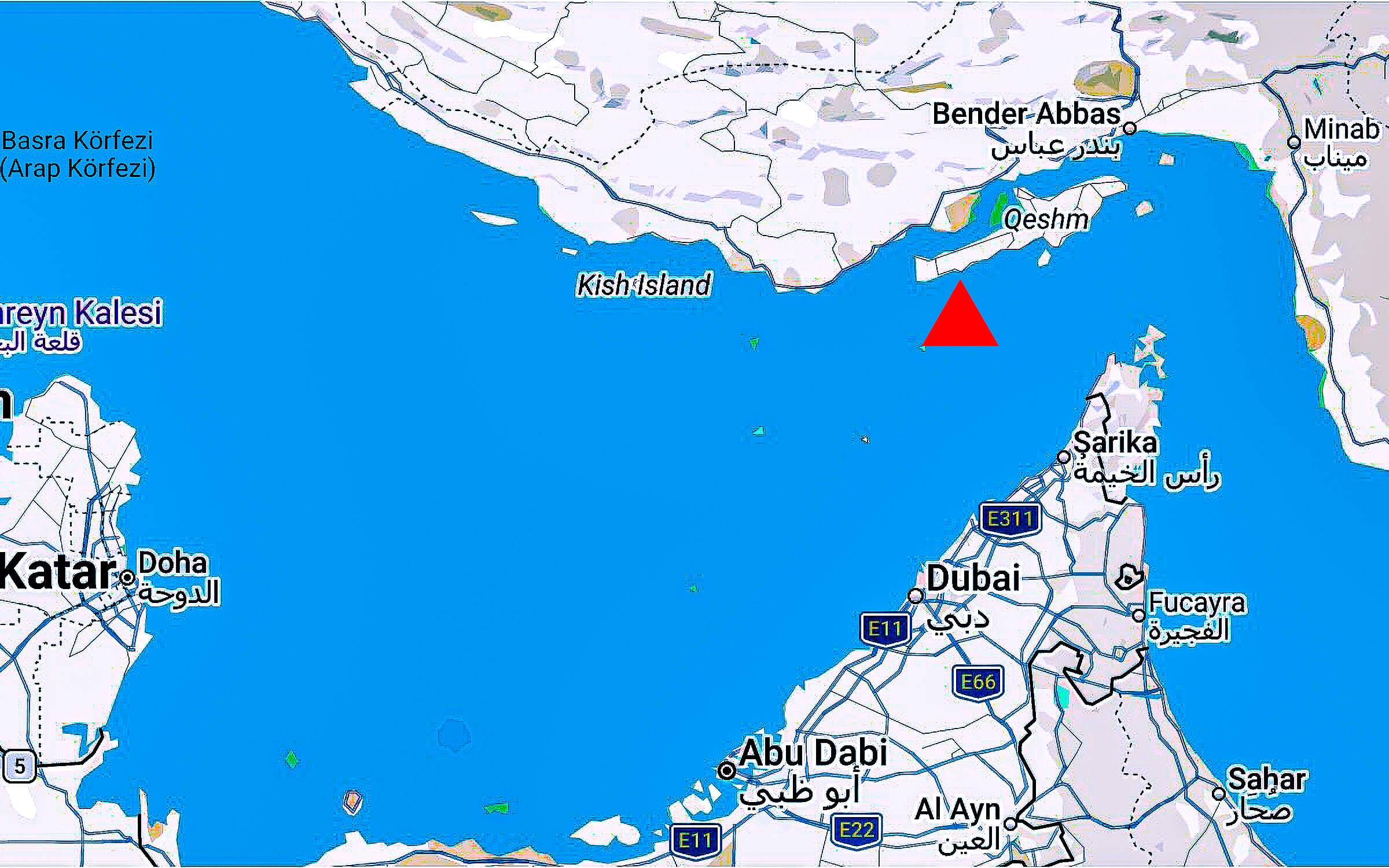
Iranian state media reported at least 35 killed and over 300 injured in the latest strikes, which targeted Qeshm Island, Bandar Abbas, Ahvaz and other provinces. [1] [2] Deadly US strikes overnight hit an airport, a railway station in the port city of Bandar Abbas and two bridges in southern Iran near the Strait of Hormuz. [2] Three explosions were heard around the airport and at least one American enemy projectile hit Iranshahr airport in the southeast. [2] The Bandar Abbas Railway Junction Station was targeted, with two Iranians injured in the attack. [2] An official report spoke of airstrikes on two bridges in Hormozgan Province where two people had died and four were injured. [2] Qeshm Island, which controls access to the Strait of Hormuz, was among the sites struck along with locations around the island in Hormozgan Province. [1] [3]
Iran's Retaliatory Attacks
Iran retaliated with missiles and drones aimed at US targets in Bahrain, Jordan and Kuwait, where Kuwait detected 32 Iranian drones causing material damage but no casualties. [1] [5] Tehran countered with missiles and drones targeted at US military bases in neighbouring states including a recently expanded air base in Jordan. [2] Kuwait's Defense Ministry confirmed the interception of 32 drones fired by Iran on Thursday, resulting in material damage but no casualties. [5] Iran has also largely halted traffic through the Strait of Hormuz after the re-escalation of attacks. [2]
Impact on Strait of Hormuz
The exchanges have effectively ended a truce declared last month, with Iran halting traffic through the Strait of Hormuz and threatening to direct Houthi allies to close the Bab al-Mandeb strait if its infrastructure is attacked. [1] [2] [3] Iran has signalled it could prod its Houthi allies in Yemen to close the Bab al-Mandeb at the mouth of the Red Sea if Washington attacks Iran's infrastructure. [2] [3] Iran last week hit ships moving through a corridor in the strait, and sources indicated that preparations for such action in the Red Sea have been completed with missiles and drones deployed near the Bab al-Mandeb. [2] [3] The conflict threatens the critical oil shipping route where the world's sea-borne crude oil passes through the Strait of Hormuz. [1]
Economic Repercussions
Brent oil prices approached $85 per barrel amid rising shipping costs and insurance premiums as some tanker traffic is delayed. [1] [3] Brent crude prices have approached the $85 level in recent days while war risk insurance premiums and tanker freight rates have risen. [1] Some shipping companies have delayed passages through the Strait of Hormuz or begun evaluating alternative routes. [1] Energy analysts have warned that a prolonged disruption of the strait could raise not only oil prices but also transport costs affecting food and basic consumer goods on a global scale. [1]
Diplomatic and Legal Reactions
The exchanges have effectively ended a truce declared last month. [1] [2] Qatar and Oman have continued mediation efforts while European diplomats have intensified contacts to create new ground for a ceasefire. [1] Iran's foreign minister Abbas Araghchi accused the United States of war crimes, stating that attacks on vital infrastructure and threats to strike bridges and power plants demonstrate criminal intent to commit heinous crimes. [3] Araghchi described the US actions as a flagrant violation of the UN Charter and basic principles of international law, calling them serious international crimes. [3] Despite the escalation, reports emerged of a US citizen identified as Dena Karari being released from detention in Iran, though Iran's judiciary later stated that no American prisoner had been released or exchanged. [2]
What to watch next
Iran has warned that its armed forces will destroy infrastructure in the Middle East with steel force if attacked, while mediation efforts by Qatar and Oman continue alongside European diplomatic contacts. [1] [3]