
US Special Forces Capture Venezuelan President Maduro in Caracas Raid, Igniting Regional and Global Fallout
Caracas, Venezuela — In a stunning military operation on Saturday, US special forces captured Venezuelan President Nicolas Maduro in Caracas, charging him with narcoterrorism and possession of "destructive devices." The raid, which exposed vulnerabilities in Venezuela's Russian-supplied air defenses, has triggered a cascade of political, economic, and diplomatic reactions, including vows for elections from the opposition, defiance from Maduro loyalists, and criticism from the United Nations.
The operation marks a dramatic escalation in longstanding US-Venezuela tensions over drug trafficking and oil exports. Prior to the raid, Maduro had expressed openness to talks with the US on drug trafficking issues amid claims of American actions against Venezuelan drug infrastructure. Oil tankers had also continued arriving despite a US blockade aimed at curbing state-run PDVSA's crude sales. However, the Saturday incursion shifted the dynamics overnight, with a top US diplomat hailing it as a "new dawn for Venezuela."
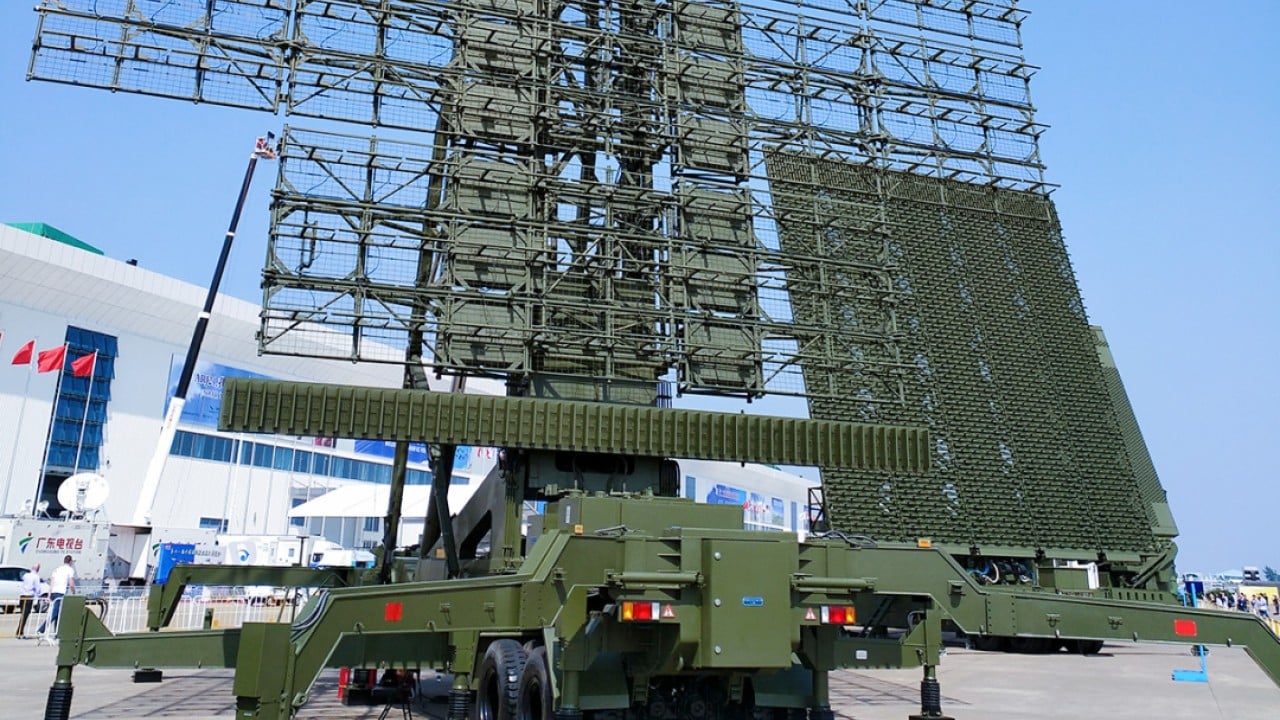
Details of the raid highlight advanced US capabilities in surveillance, cyber, and electronic warfare. Analysts cited in Chinese media described Venezuela's defenses as "full of flaws and slow to react," reliant on outdated Russian technology. The operation has prompted Beijing to view it as a case study for bolstering its own air defenses and counter-intelligence.
Political Realignment in Caracas
Inside Venezuela, power appears to be transitioning. Lawmaker Nicolas Maduro Guerra, the president's son, delivered an emotional speech in the national assembly, pledging loyalty to interim President Delcy Rodríguez — Maduro's vice president — and declaring his father "still the leader of Venezuela." Guerra expressed hope for Maduro's swift return while facing drug trafficking charges in New York, intensifying domestic divisions.
Opposition leader Maria Corina Machado, long barred from office by Maduro allies, vowed to return "quickly" and called for free elections. "We are ready to win," she declared, praising President Donald Trump's role in toppling her longtime adversary. Machado's movement has gained traction amid Venezuela's economic collapse, which has driven eight million citizens abroad.
The Venezuelan diaspora remains cautious. "Nobody is going to run home," one exile told reporters, reflecting a wait-and-see posture despite optimism for change.
Economic Focus: Oil Production in Spotlight
The Trump administration is moving swiftly on Venezuela's oil sector, a cornerstone of its economy holding the world's largest proven reserves. A source familiar with the matter revealed plans for meetings this week with US oil executives to discuss boosting production following Maduro's ouster. Reports indicate Trump hinted at major changes last month, telling oil executives to "get ready."
These efforts come amid PDVSA's struggles under sanctions and a US blockade, though tankers persisted in deliveries. Chinese business owners, who had noted economic improvements under Maduro, now warn of "knock-on effects" like anxiety and uncertainty, potentially disrupting investments tied to Venezuela's alliances with Beijing, Russia, and Iran.
International Reactions and Geopolitical Ripples
Global responses are muted or divided. European leaders offered low-key reactions, prioritizing Trump's potential aid in ending Russia's war in Ukraine, according to FRANCE 24 analysis. Venezuela's allies face dilemmas: Russia weighs losing a key partner against Trump relations, while China analyzes the raid for military lessons.
The UN High Commissioner for Human Rights office condemned the action as a "violation of international law" that makes the world "less safe," urging global clarity on such interventions.
Background: Years of Crisis and Confrontation
Venezuela's turmoil traces to economic mismanagement, US sanctions since 2017, and disputed 2018 elections that solidified Maduro's rule despite opposition challenges. The US recognized Juan Guaido as interim president in 2019 before shifting focus to figures like Machado. Drug trafficking allegations and oil embargoes heightened frictions, culminating in this raid amid Maduro's preemptive talk offers.
Uncertain Path Ahead
As Maduro awaits trial, Venezuela teeters between interim governance, opposition pushes for polls, and US-backed economic revival. Oil meetings could unlock resources but risk alienating allies like China and Russia. Regional stability hangs in balance, with the diaspora watching warily and international bodies decrying precedent-setting force. The operation underscores shifting US priorities under Trump, but its long-term success depends on Venezuelan buy-in and global acquiescence.
(Word count: 712)






