
US Signals Diplomatic Push for Greenland as Trump Links Island to National Security
Washington/Toronto — Tensions have escalated in transatlantic relations after US President Donald Trump called for American control over Greenland, citing national security imperatives tied to a recent military operation in Venezuela. US Secretary of State Marco Rubio announced plans to meet Danish officials next week to discuss Washington's interest in the strategically vital Arctic island, emphasizing acquisition through non-military means amid warnings from allies that such rhetoric could strain NATO unity.
Trump's remarks, delivered on January 4, 2026, frame Greenland's strategic value as critical in the context of heightened US military activities, including a recent operation in Venezuela. The president underscored the need for US oversight of the world's largest island to safeguard American interests in the Arctic region, where competition over resources, shipping routes, and military positioning has intensified amid climate change and great-power rivalries.
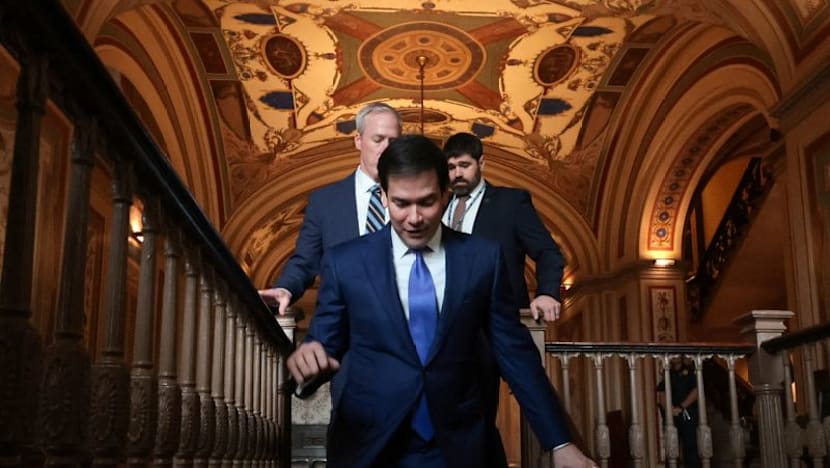
Rubio's scheduled meetings, confirmed on January 7, represent a diplomatic overture from the Trump administration. Speaking to reporters, the Secretary of State clarified that acquisition—rather than military force—remains the preferred path forward. "We are pursuing this through dialogue," Rubio stated, according to reports, as fears mount in Europe over potential coercive actions by Washington. The meetings with Danish counterparts, who oversee Greenland as an autonomous territory within the Kingdom of Denmark, are set for the coming week and signal an effort to formalize discussions on US interests.
European allies have expressed alarm, with some warning that Trump's bold assertions risk fracturing the NATO alliance. Danish officials have not yet issued a formal response to Rubio's announcement, but the development comes against a backdrop of longstanding sovereignty concerns. Greenland's government, which enjoys significant self-rule under Denmark since 2009, has repeatedly affirmed its non-negotiable status as Danish territory.
Strategic Context and Historical Precedent
Greenland's geopolitical significance cannot be overstated. Spanning 2.16 million square kilometers—mostly ice-covered—the island hosts the US Thule Air Base, a key facility for missile warning and space surveillance since the Cold War era. Its position in the Arctic positions it at the nexus of emerging maritime routes opened by melting ice, vast untapped mineral resources including rare earth elements, and competition among the US, Russia, China, and NATO members.
Trump's renewed interest echoes his 2019 proposal to purchase Greenland outright, which prompted sharp rebukes from Denmark's then-Prime Minister Mette Frederiksen, who called the idea "absurd." That episode strained bilateral ties and highlighted the island's symbolic importance to Danish national identity. At the time, Denmark bolstered its Arctic presence with increased defense spending and NATO commitments.
The current push follows a US military operation in Venezuela, details of which remain classified but have been linked by Trump to broader hemispheric security. Analysts note that control over Greenland could enhance US monitoring of Russian and Chinese activities in the Arctic, where Moscow has militarized bases and Beijing has invested in infrastructure.
Rubio's diplomatic initiative appears aimed at mitigating fallout. Reports indicate the US is exploring economic incentives, such as investment in Greenland's infrastructure and resource development, to persuade stakeholders. However, Greenland's local leadership has prioritized independence discussions and sustainable development over foreign acquisition.
Allied Concerns and NATO Implications
Allies' warnings underscore broader anxieties within NATO. Trump's comments have reignited debates over US commitment to the alliance, especially as Europe grapples with its own security challenges, including Russia's war in Ukraine. "Remarks like these risk fracturing the alliance," one European diplomat told Channel News Asia anonymously, highlighting fears of unilateral US actions eroding collective defense principles.
Denmark, a founding NATO member, maintains a nuanced stance on Greenland. While open to partnerships—evidenced by recent US-Danish defense pacts—the kingdom has invested heavily in Arctic capabilities, including new patrol vessels and surveillance upgrades funded by a 2023 defense package.
Outlook for Diplomatic Engagements
As Rubio's meetings approach, attention will focus on whether substantive proposals emerge or if the talks devolve into symbolic posturing. Danish Foreign Minister Lars Løkke Rasmussen is expected to lead negotiations, potentially addressing US basing rights, economic aid, and mutual security guarantees without compromising sovereignty.
The episode tests the resilience of US-European ties in an era of Arctic realpolitik. With climate change accelerating access to the region—projected to hold 13% of global undiscovered oil and 30% of natural gas reserves—Greenland remains a flashpoint. Observers anticipate measured responses from Copenhagen, prioritizing alliance cohesion while safeguarding territorial integrity.
For now, the US emphasis on diplomacy offers a pathway to de-escalation, but Trump's unyielding rhetoric ensures the Greenland question will persist as a cornerstone of transatlantic geopolitics.
(Word count: 682)