
US Seizes Venezuelan Oil Reserves Following Maduro Abduction, Sets Ultimatum to Interim Government
Caracas, Venezuela – In a dramatic escalation of long-standing tensions, U.S. President Donald Trump announced on January 6, 2026, that Venezuela would hand over 30 to 50 million barrels of oil to the United States, to be sold at market prices. The move follows a U.S. special forces raid in Caracas over the weekend that resulted in the capture and extradition of Venezuelan President Nicolás Maduro and his wife, who now face federal charges of narcoterrorism and drug trafficking in the U.S.
The developments mark a pivotal shift in the Venezuela crisis, which had seen initial signs of de-escalation earlier in the week. On January 2, Maduro expressed openness to talks with the U.S. on drug trafficking amid claims of American military actions against Venezuelan drug infrastructure. However, those overtures appear to have been overtaken by swift U.S. intervention, including a raid on Maduro's residence early Saturday morning, where he and his wife were seized and flown to the U.S.
Trump made the oil announcement in a late-night Truth Social post on Tuesday, stating that Venezuela would be "turning over" the substantial oil reserves. This comes after a U.S.-led military operation in Caracas, described by Venezuelan sources as resulting in deaths that prompted the interim government to declare seven days of national mourning.
U.S. Secretary of State Marco Rubio has since outlined stringent conditions for Venezuela's interim government to regain access to oil drilling and production. According to reports, Rubio demanded the expulsion of official advisers from China, Russia, Cuba, and Iran—nations long allied with Maduro's regime. Failure to comply could lead to restrictions on Venezuela's oil output, further pressuring the country's economy, which relies heavily on petroleum exports.
Details of the U.S. Operation and Immediate Fallout
The U.S. raid has been characterized as a targeted operation against Maduro, accused by Washington of overseeing narcoterrorism networks. Maduro had dodged questions about a recent U.S.-claimed attack on drug trafficking sites in Venezuela just days prior, while signaling willingness for dialogue. The special forces action, however, preempted further negotiations.
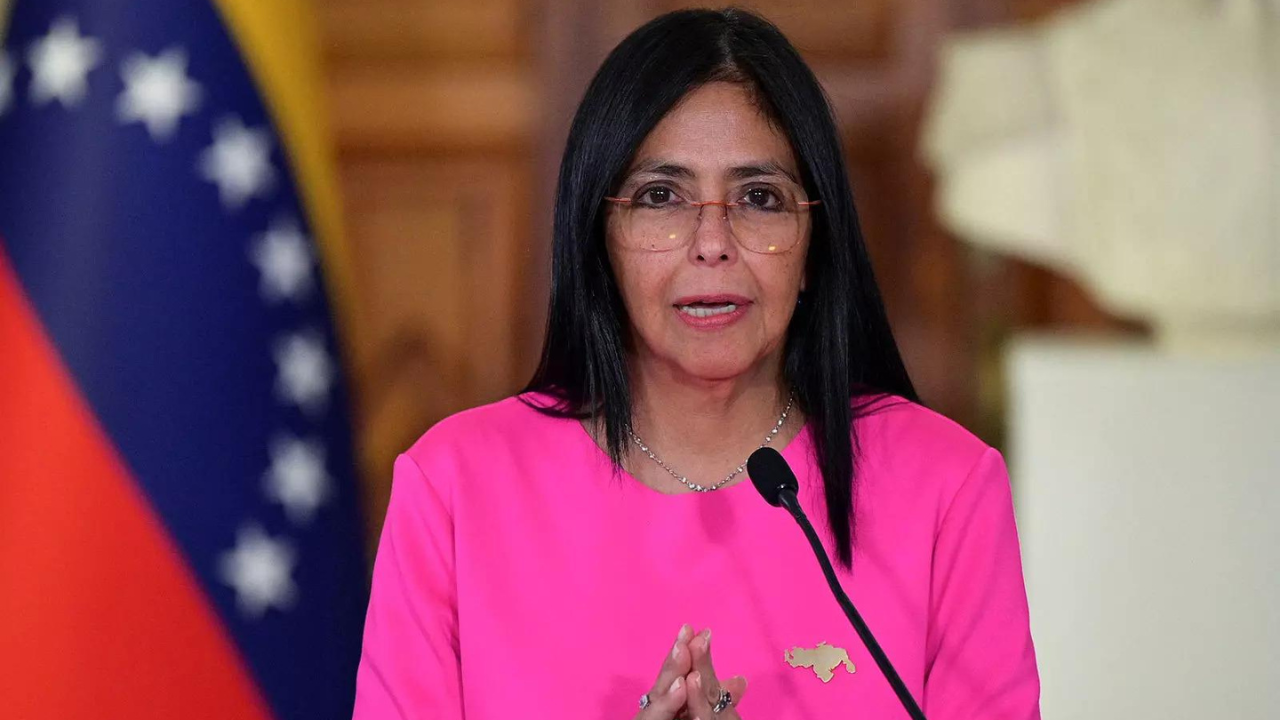
Venezuela's interim president, whose identity has not been specified in immediate reports but is recognized by the U.S., responded by instituting the mourning period for victims of the intervention. This underscores the operation's toll, though exact casualty figures remain unconfirmed.
Trump's oil proclamation highlights potential economic ramifications. Prior to a U.S.-imposed blockade last month, China was Venezuela's top buyer of crude. The handover of tens of millions of barrels could disrupt those flows, benefiting U.S. markets while sidelining Beijing. Analysts note this as part of broader U.S. efforts to counter influence from Maduro's allies.
Geopolitical Ripples and U.S. Demands
The events have reverberated globally, particularly in Asia. Observers cited in South China Morning Post reports warn that the "Maduro effect"—Washington's bold abduction of a sitting leader—has heightened wariness among authoritarian regimes. Countries in the region may accelerate ties with Moscow and Beijing, viewing the U.S. as unpredictable.
Rubio's terms explicitly target Venezuela's alliances: "Kick out China, Russia, Iran," as phrased in diplomatic communications. Cuba, a longstanding supporter providing military and intelligence aid, is also implicated. These nations have bolstered Maduro amid U.S. sanctions and opposition challenges since 2017.
Background on Venezuela's Crisis
Venezuela sits atop the world's largest proven oil reserves, estimated at over 300 billion barrels, managed by state-owned PDVSA. Economic collapse, hyperinflation, and U.S. sanctions since the Trump era's first term have crippled production, dropping from 3 million barrels per day in the early 2000s to under 1 million recently. Maduro, in power since 2013, has faced accusations of election fraud, human rights abuses, and narco-state ties, leading the U.S. to recognize opposition figure Juan Guaidó as interim president in 2019 (a claim later faded but echoed in current dynamics).
Russia, China, Iran, and Cuba have provided loans, oil technology, and military support, countering Western isolation. Recent U.S. actions against alleged drug labs align with decades-old designations of Maduro-linked figures under the Kingpin Act.
Outlook Amid Uncertainty
As Venezuela's interim leadership navigates U.S. demands, questions linger over oil implementation, regional stability, and Maduro's trial. The oil transfer could stabilize U.S. energy prices but risks alienating global partners and fueling anti-American sentiment in Latin America and Asia. International bodies like the UN have yet to comment officially, while markets watch for disruptions in global crude supply.
The crisis, initially framed around drug talks, has rapidly evolved into a contest over resources and alliances, reshaping hemispheric geopolitics.
(Word count: 682)






