
US Ramps Up Geopolitical Pressure: Tanker Seizure Signals Russia, Cartel Threats Target Mexico, and Anti-Drug Pact with Colombia
Washington, DC – In a series of assertive moves signaling a hardening U.S. stance on global security threats, the United States has seized a Russian oil tanker linked to sanctions evasion, President Donald Trump vowed ground operations against Mexican cartels, and American officials pledged deeper cooperation with Colombia to combat cocaine-smuggling guerrillas. These developments, unfolding over the past 48 hours, underscore escalating tensions across multiple fronts in U.S. foreign policy.
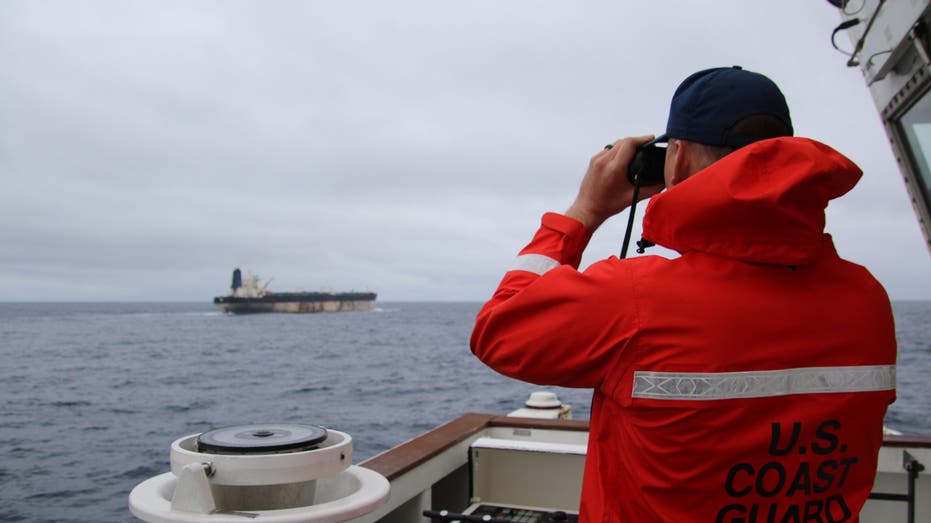
The most immediate action came at sea, where U.S. forces intercepted and seized a Russian tanker as part of an intensifying campaign against the so-called "dark fleet." These shadowy vessels have been used by Russia to circumvent Western sanctions imposed following its 2022 invasion of Ukraine, transporting oil to buyers in defiance of price caps and embargoes. According to details reported by Fox News, the seizure marks a rare direct enforcement action by the U.S. Navy and Coast Guard, conducted in international waters. Experts cited in the coverage described it as an "escalation" in sanctions compliance efforts but emphasized that it is unlikely to provoke a direct military confrontation with Moscow. "This sends a clear message to Russia that we're not just talking about sanctions—we're enforcing them," one analyst noted, highlighting the operation's role in disrupting revenue streams funding Russia's war machine.
This naval maneuver arrives amid broader U.S. efforts to degrade Russia's economic lifelines. Since the Ukraine conflict began, the "dark fleet"—comprising older, often uninsured ships—has grown to hundreds of vessels, shuttling discounted Russian crude to markets in China, India, and elsewhere. The U.S. Treasury has previously designated dozens of these ships, but physical seizures remain infrequent due to jurisdictional challenges at sea. The latest incident, executed without reported resistance, reinforces America's commitment to coalition partners like the European Union and G7 nations, who share intelligence on vessel tracking via satellite and AIS (Automatic Identification System) data.
Shifting focus to Latin America, President Trump escalated rhetoric against Mexican drug cartels in a Fox News interview aired Friday. Insisting that "cartels are running Mexico," Trump announced plans for U.S. ground operations, declaring, "We are going to start hitting land." The comments build on his administration's designation of cartels as foreign terrorist organizations earlier in his term, aiming to dismantle networks responsible for fentanyl trafficking into the U.S., which has fueled a domestic overdose crisis claiming over 100,000 lives annually in recent years.
Trump's statements come as bilateral relations with Mexico strain under migration and drug pressures. Mexico's government has deployed its military against cartels, but U.S. officials argue these efforts fall short. The president's pledge raises questions about operational scope—potentially involving U.S. special forces raids or drone strikes across the border—echoing past proposals for military action. In the same interview, Trump revealed plans to host Venezuelan opposition leader María Corina Machado in Washington next week. Machado, a prominent critic of Nicolás Maduro's regime, was barred from Venezuela's 2024 presidential race, which the U.S. and allies deemed fraudulent. The meeting signals continued U.S. support for regime change in Caracas, amid ongoing sanctions and diplomatic isolation of Maduro.
Complementing these pressures, the U.S. and Colombia issued a joint commitment Thursday to intensify cooperation against guerrillas involved in cocaine smuggling. As reported by Thailand's Daily News, the pact targets armed groups—likely dissident factions of the Revolutionary Armed Forces of Colombia (FARC) or the National Liberation Army (ELN)—that control key trafficking routes in Colombia's remote jungles. Colombia, the world's top cocaine producer, has extradited thousands of traffickers to the U.S. under longstanding agreements, but rising violence from these groups has prompted renewed vows of joint intelligence sharing, training, and interdiction operations.
Background and Context
These actions fit into a pattern of U.S. geopolitical strategy under Trump's second term, prioritizing unilateral enforcement over multilateral forums. The Russia tanker seizure aligns with post-2022 sanctions regimes, where G7 price caps on Russian oil—set at $60 per barrel—aim to curb Moscow's war funding without crashing global energy markets. In Latin America, U.S. policy has long intertwined counter-narcotics with counterterrorism, as seen in Plan Colombia (2000-2015), which poured billions into aerial eradication and military aid, reducing coca cultivation temporarily but facing criticism for human rights abuses and displacement.
The Mexico threats revive debates from Trump's first term, when he floated military options and deployed troops to the border. Cartels like Sinaloa and Jalisco New Generation wield near-state power in parts of Mexico, exporting fentanyl precursors sourced from China via Mexican labs. Meanwhile, Venezuela's crisis—marked by 7.7 million refugees and hyperinflation—has made it a cartel hub, intertwining U.S. interests in the region.
Outlook
While the tanker seizure and Colombia pact represent collaborative continuity, Trump's Mexico warnings risk bilateral friction, potentially complicating USMCA trade ties. Analysts anticipate diplomatic pushback from Mexico City and monitoring from Moscow, but no immediate retaliatory escalations. As these events unfold, they highlight the U.S.'s multifaceted approach to adversaries, from hybrid maritime warfare to direct threats and alliances, in an era of renewed great-power competition and hemispheric instability.
(Word count: 748)






