
US Raid Captures Maduro, Triggers Tanker Seizure and Global Backlash in Venezuela Crisis
Caracas/Washington — In a stunning military operation, U.S. forces have seized Venezuelan President Nicolás Maduro, plunging the oil-rich nation into uncertainty and escalating geopolitical tensions with Russia and other allies. The raid in Caracas, confirmed across multiple reports, has prompted U.S. efforts to seize Russian-flagged oil tankers linked to Venezuela, divided Congress, and drawn international concern over America's expanding role in Latin America.
The operation unfolded amid a backdrop of long-standing U.S. sanctions against Maduro's regime, imposed since 2017 over human rights abuses, electoral fraud, and alleged narco-trafficking ties. Maduro, who has ruled Venezuela since 2013 amid hyperinflation, mass migration of over 7 million people, and disputed 2024 elections, was reportedly captured in a precise strike. U.S. Secretary of State Marco Rubio briefed congressional leaders on January 5, detailing the "striking military operation," according to France 24. Republican House Speaker Mike Johnson stressed that the action was "not a regime change" effort, while Democratic leaders criticized the Trump administration for lacking a clear post-capture plan.
Just days earlier, on January 2, Maduro had signaled openness to U.S. talks on drug trafficking but dodged questions about a recent U.S.-claimed attack in Venezuela. This came amid reports of a Russian offer to grant the U.S. a "free hand" in Venezuela in exchange for Ukraine concessions, as claimed by a former Trump adviser on January 6. The timing underscores shifting alliances, with Venezuela serving as a flashpoint between Washington and Moscow.
Economic fallout looms large. Fox News reports analysts debating sanctions relief after Maduro's arrest, noting Venezuela's oil production—once the backbone of its economy—remains far below pre-crisis levels despite brief recoveries. The U.S. Coast Guard and military pursued and attempted to seize a Russian-flagged tanker linked to Venezuelan oil evading sanctions, with Russian warships and submarines nearby, per Times of India and Al Jazeera. CNN footage captured the operation targeting the vessel, marking a bold enforcement of penalties amid global energy strains.
U.S. officials have also targeted Venezuela's hardline interior minister as a potential next priority unless he aids Interim President Delcy Rodríguez—Maduro's vice president—in meeting U.S. demands and maintaining order, Newsmax sources said. Rodríguez, a key regime figure sanctioned by the U.S., now leads a transitional setup as ordinary Venezuelans grapple with fear and uncertainty, according to BBC interviews.
International reactions highlight the raid's ripple effects. Pete Hegseth, a Trump nominee linked to defense circles, mocked Russian air defenses' failure to counter the U.S. operation, as reported by Kyiv Independent—a jab amid Russia's military support for Maduro, including past deployments of Wagner mercenaries. Europe's response reflects a dilemma: Xinhua notes unease over U.S. unilateralism, complicating EU efforts to balance sanctions with humanitarian aid and migration deals with Caracas.
Background: Venezuela's Long Decline and U.S. Pressure
Venezuela's crisis traces to the 2014 oil price collapse, exacerbating socialist policies under Hugo Chávez's successor, Maduro. U.S. recognition of opposition leader Juan Guaidó as interim president in 2019 faded without military backing, but sanctions crippled PDVSA, the state oil firm, redirecting illicit flows to Russia, Iran, and China. Maduro's alliances shielded him, but Trump's return to office in 2025 signaled renewed hawkishness, with Rubio's appointment amplifying pressure.
The raid revives debates over U.S. interventionism, echoing 1989's Panama invasion under George H.W. Bush. Critics fear it could destabilize the region, boosting migration and empowering cartels, while supporters see it curbing narco-trafficking and Russian influence.
Outlook: Fragile Transition Amid Escalation
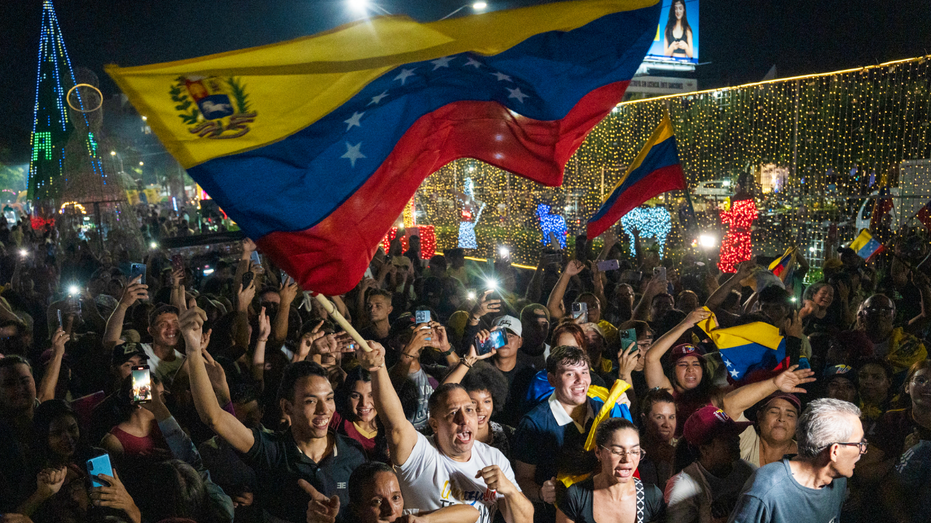
Venezuelans now face an opaque future without Maduro, with BBC reports of widespread anxiety over stability. U.S. tanker seizures risk direct naval friction with Russia, whose vessels shadowed the pursuit. Congress's divisions signal potential roadblocks to funding or strategy, as lawmakers weigh expansionism against hemispheric security.
As Delcy Rodríguez navigates U.S. demands, the world watches whether this marks regime collapse or prolonged hybrid conflict. Oil markets remain volatile, with Venezuela's 300 billion barrels in reserves a high-stakes prize. No clear timeline for Maduro's fate or elections has emerged, leaving Latin America—and global geopolitics—in suspense.
(Word count: 682)