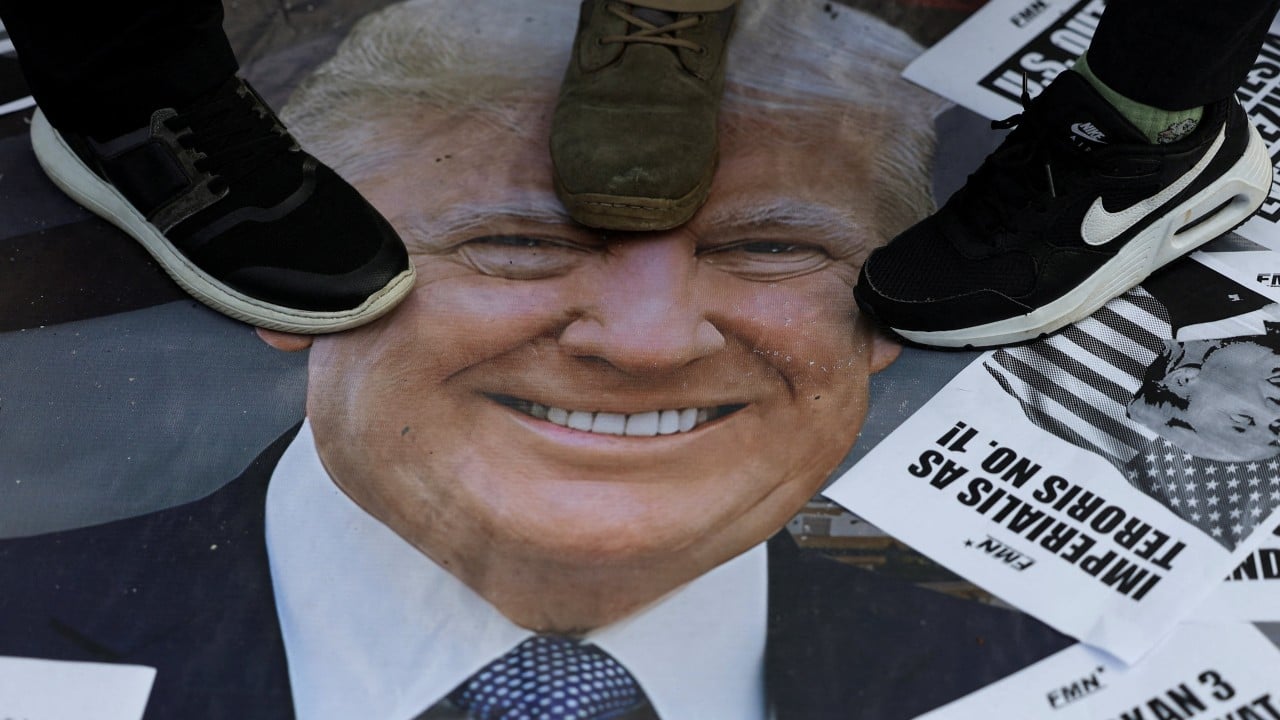

US Raid and Abduction of Maduro Ignite Geopolitical Firestorm in Venezuela
Caracas/Washington, January 8, 2026 – A dramatic U.S. military intervention in Venezuela, including the abduction of President Nicolás Maduro, has plunged the oil-rich nation into uncertainty, drawing sharp rebukes from global leaders and raising alarms over international law, economic fallout, and shifting great-power rivalries.
The operation, described by U.S. officials as a targeted action amid escalating tensions, has led to claims that Washington now intends to "dictate" Venezuela's decisions and control its oil sales "indefinitely," according to reports from Al Jazeera. This follows a series of rapid developments: on January 2, Maduro expressed openness to discussions with the U.S. on drug trafficking concerns, while sidestepping questions about a recent attack in Venezuela that he attributed to U.S. involvement. By January 6, a former adviser to U.S. President-elect Donald Trump revealed that Russia had offered Washington a "free hand" in Venezuela in exchange for concessions on Ukraine, signaling backchannel diplomacy amid the crisis.
Singapore's Senior Minister Lee Hsien Loong voiced deep concerns on Thursday about the U.S. raid's implications. Speaking at an event, the former prime minister warned of "worrying long-term consequences to the international system and small countries in particular." He emphasized Singapore's consistent stance against actions contrary to international law and the UN Charter, citing parallels with Russia's invasion of Ukraine. "Singapore had always stated its position unequivocally and voted accordingly on such matters," Lee said, highlighting fears that unilateral interventions could erode global norms protecting sovereignty.
The intervention has also exposed vulnerabilities in China's extensive financial ties to Venezuela. Analysts cited by the South China Morning Post estimate Beijing's exposure at around US$10 billion through oil-for-loan deals, now in limbo following Maduro's removal. Venezuela's vast crude reserves have long been a lifeline for China, which has relied on discounted shipments to fuel its economy. Post-Maduro, a new government – potentially aligned with U.S. interests – may prioritize immediate revenue by continuing oil flows to China, but repayment terms remain uncertain. "An optimistic scenario would involve a negotiated settlement," one analyst noted, though risks of default or asset seizures loom large.
China is now reassessing its Venezuela investments within the broader context of Trump's foreign policy, which emphasizes "spheres of influence." Al Jazeera reports suggest Beijing sees both risks and opportunities: potential losses in Latin America could be offset by leverage elsewhere, but the U.S. move underscores a return to regional dominance doctrines reminiscent of Cold War-era strategies.
Background on Venezuela's Turmoil
Venezuela's geopolitical significance stems from its position as holder of the world's largest proven oil reserves, estimated at over 300 billion barrels by OPEC. Under Maduro, who assumed power in 2013 following Hugo Chávez's death, the country has endured hyperinflation, mass emigration (over 7 million since 2015, per UN data), and U.S. sanctions imposed since 2017 over human rights abuses, election fraud, and alleged narco-trafficking ties. The U.S. recognized opposition leader Juan Guaidó as interim president in 2019, though Maduro retained control with support from Russia, China, Iran, and Cuba.
Recent events escalated from Maduro's disputed July 2024 reelection, boycotted by major opposition and marred by fraud allegations. U.S. actions, including asset freezes and bounties on Maduro officials, intensified amid reports of Venezuelan involvement in regional drug networks. The January 2 overture on drug talks suggested a potential thaw, but the subsequent "attack" – details of which remain contested – appears to have precipitated the raid. Russia's reported offer aligns with its strategic interests: Venezuela hosts Russian military assets and has received billions in loans and arms, bolstering Moscow's anti-Western axis.
Global Reactions and Economic Outlook
The U.S. intervention has polarized responses. While some Latin American nations and Venezuelan exiles hail it as liberation from authoritarianism, others decry it as neocolonialism. The planned indefinite control over oil sales – Venezuela's primary export, generating $20-30 billion annually pre-sanctions – could reshape global energy markets. Major buyers like India and China may face supply disruptions, exacerbating OPEC+ tensions.
Analysts predict a transitional government under U.S. influence, possibly led by opposition figures, aiming to stabilize the economy through oil revenue. However, Lee's warnings underscore broader risks: if unchallenged, such actions could embolden similar moves globally, from the South China Sea to Africa.
As Trump prepares to take office later this month, the Venezuela saga tests his "America First" doctrine against commitments to allies and the rules-based order. Negotiations on Russia's offer could link Latin American stability to European security, while China's debt dilemma forces a recalibration of its Belt and Road investments. For now, Venezuela remains a flashpoint, with the international community watching closely for the next move.
(Word count: 712)






