
US Military Strikes Alleged Drug Boats in International Waters, Resulting in Three Fatalities
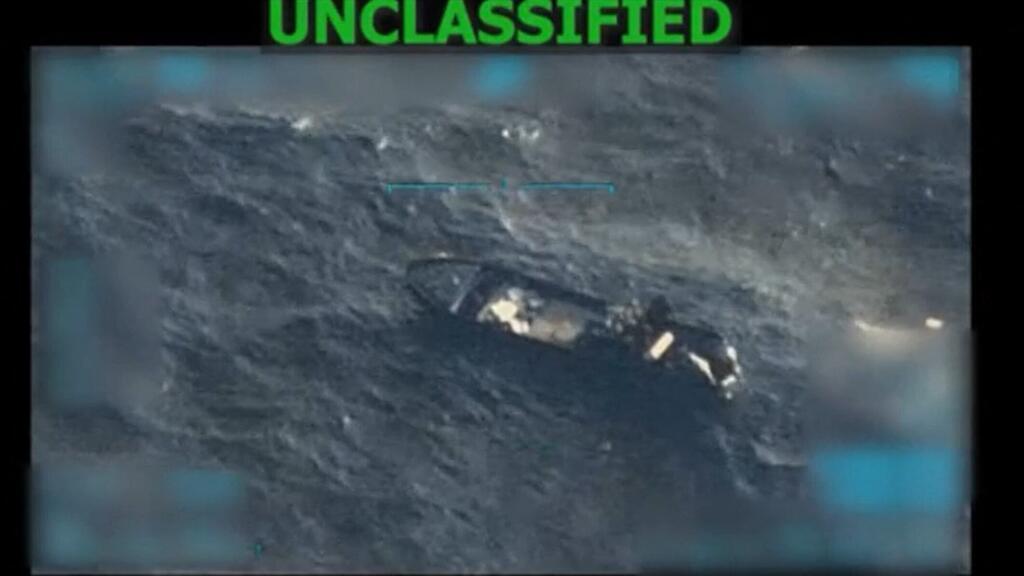
In a controversial operation, the United States military conducted airstrikes on December 31, 2025, targeting three boats suspected of being involved in drug trafficking in international waters. The strikes resulted in the deaths of three individuals, marking a significant escalation in the U.S. campaign against drug smuggling at sea.
The U.S. military reported that the operation aligns with its broader efforts to combat illegal drug trade, which has been a growing concern in recent years due to the implications for domestic and international security. According to the U.S. Department of Defense, the strikes were executed after intelligence indicated the boats were actively engaged in transporting narcotics.
"This operation demonstrates our commitment to combating drug trafficking in all its forms," a military spokesperson stated. "We will not hesitate to act when we have credible information that can prevent drugs from reaching our shores and harming our communities."
However, the strikes have drawn criticism from various human rights organizations and legal experts, who argue that the use of military force in such operations raises significant ethical and legal questions. Critics assert that targeting vessels in international waters without clear evidence of a threat undermines international law and may lead to unnecessary loss of life.
"While we understand the need to combat drug trafficking, the methods employed in this operation are troubling," remarked a representative from a leading human rights organization. "We must ensure that any military action adheres to legal standards and prioritizes the protection of human life."
Despite the criticism, U.S. officials maintain that the operation was conducted in accordance with international law and was necessary to thwart drug trafficking networks that pose a direct risk to U.S. citizens. The military has emphasized that they will continue to monitor and engage in operations against drug smuggling activities in international waters.
Background
The U.S. has intensified its focus on drug trafficking as part of a broader strategy to address the escalating opioid crisis and other drug-related issues on the home front. The use of military assets in drug interdiction operations has been a contentious issue, with proponents arguing that it enhances the effectiveness of anti-drug efforts, while opponents highlight the potential for abuse and unintended consequences.
The increasing sophistication of drug trafficking organizations has prompted a reevaluation of traditional law enforcement approaches, leading to calls for more aggressive military involvement. This recent operation is indicative of a shift toward a more militarized approach to combating narcotics trafficking.
Conclusion
As the U.S. military continues its operations against drug smuggling in international waters, the balance between enforcement and adherence to human rights standards remains a critical point of contention. The deaths resulting from the recent strikes highlight the complexities and ethical dilemmas faced by nations in their fight against drug trafficking. Moving forward, it remains to be seen how the U.S. will navigate these challenges while maintaining its commitment to both national security and international law.