
War in Ukraine: Kremlin States No Ukraine Response Needed for Putin's Ceasefire Proposal
In the ongoing war in Ukraine, the Kremlin has declared that Ukraine's response is not required for Russian President Vladimir Putin's proposed ceasefire on 9 May, emphasizing that the decision will be made by Putin alone.[1]
Ceasefire Proposal by Russia
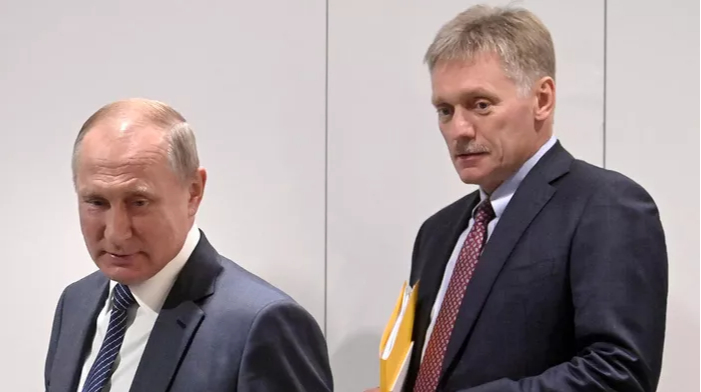
The Kremlin's position on the proposed ceasefire marks a significant assertion of unilateral authority in the war in Ukraine. Dmitry Peskov, the Kremlin's spokesperson, explicitly stated that the decision on implementing a ceasefire in the conflict with Ukraine rests solely with Vladimir Putin, rendering any response from Ukraine unnecessary.[1] This statement refers specifically to a proposed pause in hostilities on 9 May, a date laden with historical resonance as Russia's Victory Day commemorating the end of World War II in Europe.
Peskov's remarks highlight the Kremlin's view that Putin holds the exclusive prerogative to determine the course of military actions, bypassing the need for bilateral agreement or Ukrainian input.[1] In the broader context of the war in Ukraine, which has extended over four years, such a unilateral proposal underscores the dynamics of decision-making at the highest levels of Russian leadership.[5] The absence of a requirement for Ukraine's acquiescence suggests that Russia could proceed with the ceasefire declaration independently, potentially framing it as a gesture tied to the symbolic 9 May celebrations, even if hostilities persist on the ground.
This approach aligns with the Kremlin's narrative control over wartime developments, where announcements from Moscow dictate the terms without necessitating counterpart validation.[1] Analysts observing the war in Ukraine note that such statements could serve multiple purposes, from domestic signaling ahead of national holidays to shaping international perceptions of Russia's initiative-taking role. However, the feasibility of a one-sided ceasefire remains tied directly to Putin's forthcoming decision, as articulated by Peskov.[1] No further details on the scope, duration, or conditions of the proposed 9 May ceasefire were provided in the Kremlin's communication, leaving the exact parameters opaque at this stage.[1]
The timing of this proposal coincides with adjustments to Russian public events, reflecting security considerations amid ongoing tensions.[5] For Russia, 9 May has traditionally been a platform for military displays, but current circumstances have prompted scaling back, which may influence how the ceasefire is presented publicly.[1][5] This development adds another layer to the evolving tactical and symbolic maneuvers in the war in Ukraine, where proposals like this one are issued without preconditions for engagement from the opposing side.[1]
Russian Troop Losses

A man, machine, and AI work together to clear mines in Ukraine. — Source: incyprus
Ukraine's General Staff has reported substantial Russian military casualties in the latest update from the war in Ukraine. Over the past day, Russia suffered 1,470 soldiers killed and wounded, according to the official data released by Ukraine's military leadership.[3] This figure represents the most recent tally in a pattern of daily loss assessments provided by Ukraine, offering a snapshot of the intensity of frontline engagements.
The reported losses encompass both fatalities and injuries, highlighting the toll on Russian forces amid sustained combat operations across various sectors of the front line.[3] Ukraine's General Staff regularly updates these numbers, which serve as a key metric for gauging the scale of attrition in the war in Ukraine. The 1,470 figure for the past day aligns with previous reports, indicating continued high operational tempo and vulnerability to Ukrainian defenses and counteractions.[3]
In the context of the broader conflict, these daily losses contribute to the cumulative impact on Russia's military capacity, now over four years into the invasion.[5] The General Staff's methodology involves compiling data from intelligence, battlefield reports, and other verified sources, though exact breakdowns between killed and wounded are not specified in this update.[3] Such disclosures from Ukraine aim to document the human cost borne by Russian troops, providing transparency on the war's ferocity.
This recent casualty count occurs against a backdrop of proposed pauses in fighting, such as the 9 May ceasefire idea, yet frontline activity persists unabated.[1][3] The persistence of these losses underscores the challenges Russia faces in achieving breakthroughs, with each day's figures adding to the overall strain on personnel and logistics.[3] As the war in Ukraine enters its extended phase, these reports from Ukraine's General Staff remain a critical barometer of military developments, informing assessments of sustainability and momentum on both sides.[3]
Mine Clearing Operations in Ukraine
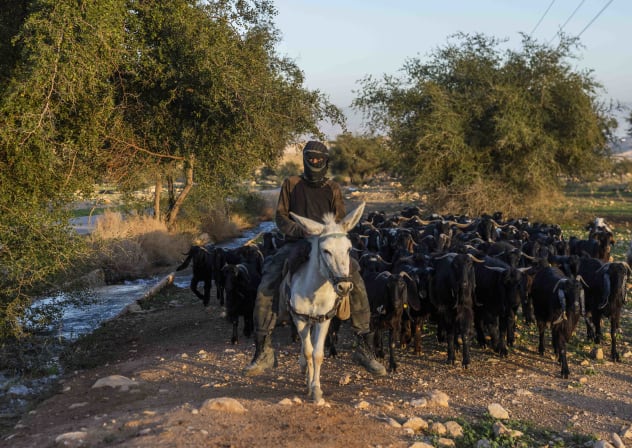
Efforts to address the lingering dangers of the war in Ukraine are underway in central regions recently affected by occupation. Near the village of Myrotske, teams of mine clearers are meticulously working to remove mines and unexploded ordnance left behind following Russian occupation of the area.[2] The operations involve a dozen deminers advancing in coordinated rows, using metal detectors swept methodically before them, akin to a synchronized harvest in the fields and woods.[2]
This painstaking process is essential for restoring safety to previously contested territories, where explosive remnants pose ongoing threats to civilians and reconstruction efforts.[2] The integration of human expertise with machinery and artificial intelligence enhances the efficiency of these clearances, combining traditional detection with advanced technology to combat the hazards sown during the conflict.[2] Myrotske's location in central Ukraine places it among areas that experienced direct Russian control, now requiring systematic decontamination as Ukrainian forces and authorities reclaim and secure the terrain.[2]
The scale of the task reflects the extensive use of mines and unexploded munitions throughout the war in Ukraine, turning liberated zones into potential deathtraps without intervention.[2] Deminers' deliberate pace ensures thoroughness, prioritizing lives over speed in environments where a single overlooked device could cause catastrophe.[2] These operations represent a critical post-occupation phase, enabling agricultural resumption, civilian return, and infrastructure repair in affected communities.[2]
As mine clearing progresses near Myrotske, it exemplifies the multifaceted recovery challenges in the war in Ukraine, where immediate humanitarian and security needs intersect with long-term rehabilitation.[2] The use of AI and machines alongside manual labor signals innovative adaptations to the volume of threats, potentially setting precedents for similar efforts elsewhere along former front lines.[2]
Evolving Humanitarian Needs
{IMAGE_3}
The humanitarian situation in Ukraine continues to shift dynamically, with multisectoral needs persisting and intensifying due to specific conflict-related events. Since 2022, these needs have evolved in severity and geographic focus, even as the front line has remained relatively stable since 2023.[4] Unexpected crises have played a pivotal role, including the destruction of the Nova Kakhovka dam in June 2023 and widespread energy cuts during the 2025-2026 winter season, both exacerbating vulnerabilities across sectors.[4]
Monitoring efforts, such as those detailed in the REACH Initiative's April 2026 report, track this evolution from initial emergency responses to prioritized frontline interventions spanning 2022-2026.[4] Humanitarian requirements remain broad, encompassing shelter, food, health, water, and protection, with concentrations shifting based on crisis triggers.[4] The Nova Kakhovka incident, for instance, caused flooding and displacement, compounding needs in southern regions, while energy disruptions in recent winters have strained heating, electricity, and essential services nationwide.[4]
This dynamic landscape demands adaptive strategies, as fixed front lines contrast with episodic shocks that redistribute urgency.[4] The report emphasizes how these factors contribute to a "dynamic needs" environment, requiring ongoing multisectoral assessments to allocate aid effectively.[4] In the war in Ukraine, such evolutions highlight the interplay between military stalemates and civilian hardships, where infrastructure attacks and environmental disasters amplify baseline requirements.[4]
Frontline prioritization has become central, reflecting heightened risks near active combat zones, yet broader areas suffer from cumulative effects like energy shortages.[4] The persistence of multisectoral demands over four years illustrates the war's protracted impact on Ukraine's population, with monitoring evolving to capture these nuances.[4]
Impact on Russian Events
Russia has made notable adjustments to its annual World War II victory parade scheduled for 9 May, citing security threats from Ukraine. No military hardware will participate in the procession through Red Square, a departure from tradition, implemented as a precaution against potential Ukrainian retaliatory strikes.[5] The Kremlin announced this scaling down on Wednesday, transforming the typically bombastic display of military might into a slimmer event.[5]
This change comes more than four years into Russia's war in Ukraine, which has resulted in hundreds of thousands of deaths and significant economic drain.[5] The May 9 parade, commemorating the Soviet victory over Nazi Germany, has historically featured tanks, missiles, and troops parading in Moscow, symbolizing national power.[5] The decision to exclude heavy equipment reflects heightened risk perceptions, prioritizing safety amid the conflict's cross-border implications.[5]
The slimmed-down format underscores how the war in Ukraine has reshaped even domestic spectacles in Russia, balancing tradition with contemporary threats.[5] Kremlin statements frame this as a measured response, avoiding vulnerability to strikes while maintaining the holiday's observance.[5] Over four years of war, such adaptations signal the pervasive influence of the conflict on Russian public life and military posturing.[5]
Overall Situation Summary
The current landscape of the war in Ukraine integrates unilateral ceasefire proposals, persistent military losses, and adjustments to symbolic events. The Kremlin's insistence that Putin's 9 May ceasefire decision requires no Ukrainian response encapsulates Moscow's authoritative stance.[1] This occurs alongside reports of 1,470 Russian soldiers lost in the past day, per Ukraine's General Staff, illustrating ongoing battlefield intensity.[3]
Security-driven changes to the 9 May victory parade, with no hardware on Red Square due to Ukrainian strike risks, further highlight conflict repercussions.[5] These elements—ceasefire rhetoric, daily casualties, and event modifications—paint a picture of a war marked by tactical pauses amid unrelenting operations.[1][3][5] Humanitarian evolutions and demining efforts, though not central here, contextualize the human and territorial costs.[2][4]
Russia's over-four-year engagement has drained resources and lives, influencing both military displays and strategic announcements.[5] Putin's solitary authority on the ceasefire ties directly to the 9 May timeline, potentially overlapping with the scaled parade.[1][5] Ukraine's loss tallies provide counter-narratives to Russian initiatives, grounding assessments in verifiable frontline data.[3]
What to watch next: Observers should monitor Putin's decision on the 9 May ceasefire, the execution of the scaled-down victory parade amid strike threats, and the next daily loss reports from Ukraine's General Staff.[1][3][5]