Conflict in Palestine: Israel's Deprivation of Water in Gaza
In the ongoing conflict in Palestine, Israel is using water deprivation as a weapon of collective punishment against Palestinians in Gaza, as documented in a report by Médecins Sans Frontières (MSF).[1] This tactic has led to Palestinians being injured and killed while attempting to access water, with deprivation causing far-reaching consequences for health, hygiene, and sanitation.[1] Amid a ceasefire, reports indicate Israel is tightening its grip through surging settler violence in Palestinian-administered areas, while Gaza's police forces have been further decimated.[2]
Overview of the Current Conflict Situation
The conflict in Palestine continues to unfold with significant developments in Gaza and surrounding areas, marked by targeted deprivations and escalations under the guise of ceasefires. MSF's report highlights how Israeli authorities have systematically employed water access restrictions as a form of collective punishment, exacerbating the humanitarian crisis in Gaza.[1] This approach integrates into broader conflict dynamics where infrastructure vital for survival is compromised, leaving civilians vulnerable.
Parallel to these measures in Gaza, a weekly overview from Al Jazeera points to a deceptive calm during ceasefire periods, where Israel appears to be strengthening its control.[2] Settler violence has surged, penetrating deeper into areas administered by Palestinians, signaling an expansion of confrontations beyond traditional frontlines. This pattern suggests a strategic consolidation of influence while overt hostilities are paused.
Gaza's police forces, essential for maintaining order amid chaos, have faced further decimation, complicating local security efforts.[2] The combination of water weaponization, settler incursions, and weakened law enforcement paints a picture of a multifaceted conflict situation, where short-term truces mask underlying pressures on Palestinian communities. These elements, drawn from recent reporting, underscore the persistent tensions defining the conflict in Palestine.[1][2]
The interplay of these factors creates a precarious environment. Water deprivation not only affects immediate needs but amplifies risks in daily survival activities, while settler actions challenge territorial integrity in the West Bank and beyond. The decimation of police in Gaza further erodes the capacity to respond to emergencies, allowing conflict dynamics to perpetuate unchecked. Observers note that such developments during ceasefires indicate a tactical shift rather than resolution, with each element reinforcing the others in sustaining the cycle of deprivation and violence.[1][2]
Water Deprivation and Its Mechanisms

Palestinians in Gaza struggle for water access amid Israeli restrictions. — Source: aljazeera
Israel’s destruction and deprivation of water and sanitation infrastructure in Gaza serves as a central mechanism in the conflict, functioning explicitly as a weapon of collective punishment, according to MSF.[1] The report, titled "oPt: Water as a Weapon: Israel’s Destruction and Deprivation of Water and Sanitation in Gaza," details how Israeli authorities have restricted access, leading to dire outcomes for the population.[1]
Palestinians attempting to reach water sources have been injured and killed, illustrating the lethal risks embedded in this deprivation strategy.[1] This is not merely incidental; the systematic nature targets essential life-sustaining resources, rendering water retrieval a perilous endeavor. Infrastructure damage compounds the issue, as destroyed sanitation systems prevent effective water management and distribution.
The mechanisms involve both direct destruction—such as targeting facilities—and ongoing deprivation policies that limit supply and access.[1] In a densely populated area like Gaza, this creates cascading failures: reservoirs depleted, pipelines severed, and purification plants inoperable. MSF emphasizes that these actions collectively punish the entire population, regardless of individual involvement in hostilities.[1]
Further analysis within the report reveals how such tactics align with broader conflict strategies, where control over basic utilities becomes a leverage point. Without reliable water, communities face immediate thirst and long-term health deterioration. The deprivation extends to sanitation, where lack of clean water hinders waste management, fostering environments ripe for disease. MSF's documentation positions this as a deliberate policy, traceable through patterns of infrastructure targeting and access denials.[1]
This weaponization disrupts normalcy on multiple levels. Families ration scarce supplies, prioritizing drinking over cooking or cleaning, while medical facilities struggle without adequate sanitation. The report underscores the premeditated aspect, with repeated incidents of harm during access attempts confirming enforcement through force.[1] In the context of the conflict in Palestine, these mechanisms highlight a reliance on non-combat pressures to exert dominance, with water transformed from a right into a contested battlefield resource.[1]
Escalation of Israeli Actions Under Ceasefire
Under the cover of a ceasefire, Israel is increasing its grip on Palestinian areas, as evidenced by a surge in settler violence penetrating deeper into Palestinian-administered territories.[2] Al Jazeera's weekly wrap reports this escalation, noting how the supposed pause in fighting provides cover for intensified actions that expand Israeli influence.[2]
Settler violence, characterized by incursions and confrontations, has pushed beyond established boundaries, challenging the administrative control held by Palestinians.[2] This surge indicates a pattern where ceasefires do not lead to de-escalation but rather enable bolder operations. Reports detail increased incidents, with settlers advancing into zones traditionally managed by Palestinian authorities, heightening tensions and displacement risks.
The strategic timing—leveraging ceasefire optics—allows these actions to proceed with reduced international scrutiny, tightening overall control.[2] This grip manifests in territorial assertions, resource disputes, and direct clashes, eroding Palestinian governance in affected areas. Al Jazeera frames this as part of a broader consolidation, where violence serves to redraw lines on the ground.[2]
In practical terms, such escalations disrupt local economies, agriculture, and movement, as Palestinian communities face repeated threats. The deeper penetration suggests coordination or tacit support, amplifying the impact during periods meant for stabilization.[2] This development fits into the conflict's rhythm, where truces become opportunities for unilateral gains, perpetuating imbalance.
Gaza’s Police Forces Decimated
{IMAGE_3}
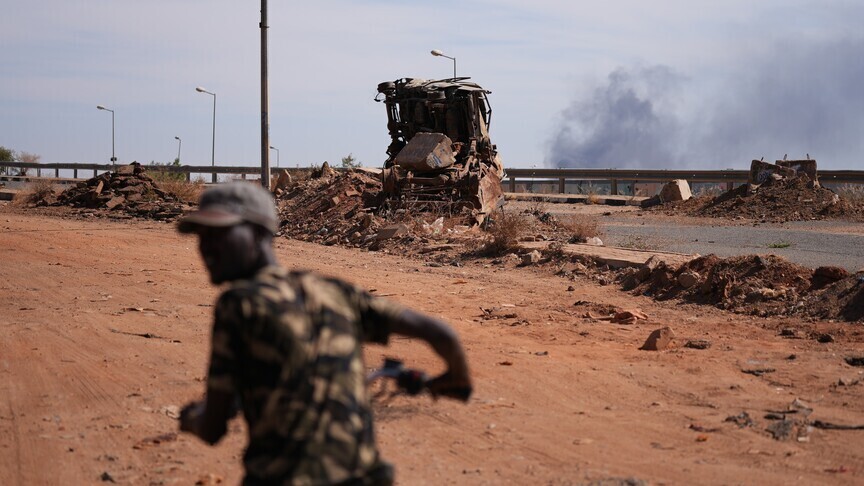
Gaza’s police forces have been further decimated amid the ongoing conflict dynamics, severely undermining security structures, according to Al Jazeera.[2] This weakening occurs alongside other pressures, leaving a vacuum in law enforcement capabilities during critical times.
The decimation refers to significant losses in personnel and operational capacity, exacerbated by the persistent hostilities and related disruptions.[2] Police units, vital for crowd control, emergency response, and maintaining order in a high-stress environment, find themselves overwhelmed and diminished.
In the context of water deprivation and settler escalations, the impact is profound: reduced police presence means less ability to protect civilians seeking essentials or defend against external threats.[1][2] Al Jazeera notes this as a recent trend under ceasefire cover, where conflict dynamics continue to erode institutional strength.[2]
The consequences ripple through daily life, with heightened risks of looting, unrest, and unaddressed crimes. Decimated forces struggle to patrol, investigate, or coordinate aid distribution, compounding humanitarian strains. This aligns with patterns where targeted or incidental losses during conflict hollow out governance.[2]
Further detail from reporting indicates ongoing diminishment, not a one-off event, pointing to sustained pressure on security apparatus.[2] In Gaza's confined geography, effective policing is crucial for stability; its absence amplifies chaos from water shortages and violence.
Humanitarian and Security Impacts
The deprivation of water carries far-reaching consequences for the health, hygiene, and sanitation of Palestinians in Gaza, as outlined by MSF.[1] Without adequate supplies, dehydration risks rise acutely, particularly among vulnerable groups like children and the elderly, leading to widespread health deterioration.
Hygiene suffers immensely, as limited water prevents basic washing, increasing infection rates from wounds, skin conditions, and gastrointestinal illnesses.[1] Sanitation systems fail without water for flushing or treatment, resulting in open sewage and contaminated environments that breed diseases like cholera or dysentery.
Security-wise, attempts to access water have resulted in injuries and deaths, turning a survival need into a deadly gamble.[1] Combined with Gaza's police decimation, this fosters anarchy, where civilians face threats from both deprivation enforcers and opportunistic violence.[2]
Settler surges deepen insecurity in other areas, displacing families and straining resources further.[2] Humanitarian access is impeded, with aid convoys challenged by weakened local coordination. Health facilities, already overburdened, cannot maintain standards without water, leading to higher mortality from treatable conditions.[1]
Daily life grinds to a halt: schools close due to sanitation issues, markets falter without clean water, and social fabrics strain under survival pressures.[1][2] Security impacts extend to psychological tolls, with constant peril eroding community resilience. These layered effects illustrate how initial deprivations cascade into comprehensive crises.[1][2]
Recent Developments and Patterns
Recent patterns in the conflict in Palestine reveal a persistence of water weaponization in Gaza, with MSF documenting continued destruction and deprivation tactics.[1] Injuries and fatalities during water access attempts persist, signaling no abatement in enforcement.
Under ceasefire pretexts, Israeli grip tightens via settler violence surges into Palestinian zones, a trend Al Jazeera tracks weekly.[2] This indicates a calculated expansion, using pauses to advance positions.
Gaza police decimation continues, further entrenching security voids amid these dynamics.[2] Patterns show interconnected escalations: water controls weaken health, police losses amplify disorder, and settler actions test boundaries.
MSF's report captures the systematic nature, with infrastructure targeting as a recurring tool.[1] Al Jazeera highlights how ceasefires mask aggressions, forming a template for future phases.[2]
These developments suggest entrenched strategies, where short-term lulls enable long-term gains, perpetuating the conflict cycle.[1][2]
What to watch next: Continued monitoring of water access incidents in Gaza and settler violence surges during any ceasefire extensions, alongside the trajectory of Gaza's police capacity, will be critical as these patterns shape humanitarian outcomes.[1][2]