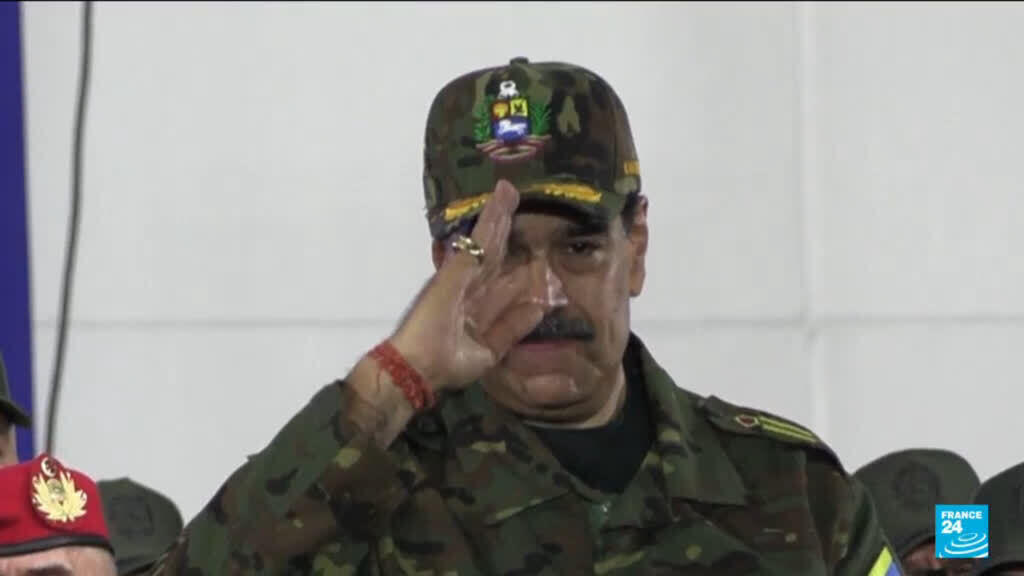

U.S. Military Action in Venezuela: Maduro Captured Amid Rising Tensions
In a dramatic turn of events in Venezuela, U.S. special forces captured President Nicolás Maduro on January 2, 2026, amid escalating tensions between the two nations. This military operation comes as the U.S. has ramped up its blockade of Venezuelan oil exports, with reports indicating that oil tankers continue to arrive in Venezuela, reflecting efforts by the state-run PDVSA to maintain crude sales despite U.S. sanctions.
The operation to capture Maduro was described by U.S. officials as a significant step in countering drug trafficking and restoring stability in the region. President Donald Trump announced that the U.S. would temporarily "run" Venezuela until a "safe transition of power" could be achieved. This declaration follows Trump's previous statements regarding the need for U.S. oil companies to engage with Venezuela to revitalize its struggling oil industry, which has been severely damaged by years of mismanagement and sanctions (Fox News, Times of India).
Context and Reactions
This military intervention marks a pivotal moment in U.S.-Venezuela relations, which have been fraught with tension since Maduro's presidency began in 2013. The U.S. has long accused Maduro's government of corruption and human rights abuses, while also alleging significant involvement in drug trafficking. Following the capture, Trump stated that Maduro had been indicted for his role in a "narcoterrorism campaign" and emphasized the need for a "proper transition" to restore democracy in Venezuela (France24).
In response to the U.S. actions, leaders from Colombia, Mexico, and Brazil condemned the military operation, citing concerns over regional sovereignty and the potential for increased instability in Latin America (Newsmax). Meanwhile, prominent Venezuelan opposition figures, including María Corina Machado, have called for the military to support a transition away from Maduro's regime (Fox News).
U.S. Engagement and Future Outlook
As the U.S. prepares to take a more active role in Venezuela, Trump has signaled that American oil firms will invest billions to repair the country's oil infrastructure. This initiative is part of a broader strategy to stabilize Venezuela's economy and reduce its reliance on foreign assistance, particularly from China, which has been a key ally of the Maduro government (InCyprus, Newsmax).
Despite the aggressive U.S. posture, Maduro's administration had previously expressed a willingness to engage in talks regarding drug trafficking, indicating a potential opening for diplomatic negotiations. However, the recent military action complicates these dynamics, as Maduro's capture may alter the political landscape significantly (France24).
As Venezuela navigates this turbulent period, the international community will closely monitor the developments, particularly regarding U.S. military presence and its implications for regional stability. The future of Venezuela remains uncertain as both domestic and international reactions continue to unfold in the wake of Maduro's capture.






