
U.S.-Led Operation Captures Venezuelan President Maduro in Swift Caracas Raid Amid Explosions and Aircraft Activity
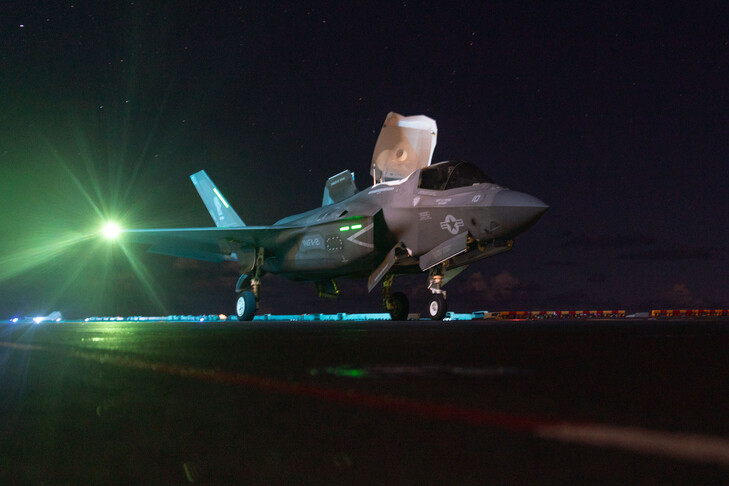
Caracas, Venezuela – In a stunning military operation early on January 3, 2026, U.S. forces executed a precision raid in Caracas, capturing Venezuelan President Nicolás Maduro and his wife, Cecilia Flores, from a heavily fortified compound. The two-hour-and-28-minute mission, dubbed Operation Absolute Resolve, involved coordinated land, sea, and air assaults, coinciding with reports of at least seven explosions and low-flying aircraft over the capital.
The raid unfolded at approximately 07:22 GMT on Saturday, marking a critical escalation in long-standing tensions between the United States and Maduro's government. Eyewitness accounts and initial reports described a chaotic scene in central Caracas, where explosions rocked the area and military aircraft flew at low altitudes, prompting widespread alarm among residents. Venezuelan authorities classified the incident as a "critical" security event, though official statements from Caracas have been limited amid the fallout.
According to details emerging from France 24's coverage of the week's global events, Operation Absolute Resolve relied on "combined military precision and tactical deception" by U.S. forces. Maduro and Flores were reportedly snatched from a fortress-like compound, highlighting vulnerabilities in the Venezuelan leader's security apparatus despite its reputation for robustness. The operation's brevity—spanning just over two hours—underscored the effectiveness of the multi-domain approach, involving ground troops, naval support, and aerial assets.
This event represents a dramatic turning point in Venezuela's protracted political crisis. Maduro, who has held power since 2013, has faced international isolation over allegations of authoritarianism, human rights abuses, and electoral fraud. The U.S. has imposed extensive sanctions on his regime since 2017, accusing it of corruption, drug trafficking, and suppressing opposition. In 2024, Maduro claimed victory in a highly contested presidential election, which the opposition denounced as rigged, sparking mass protests and further U.S. penalties. The Biden administration, continuing a policy initiated under Trump, recognized opposition figure Edmundo González as the legitimate winner, though González later fled to Spain.
The raid's execution aligns with reports of heightened U.S. military activity in the region. U.S. Southern Command has maintained a presence in the Caribbean, conducting joint exercises with allies like Colombia and Brazil to counter regional threats, including Venezuelan migration pressures and Iranian influence via oil deals. Low-flying aircraft observed during the operation evoke tactics seen in past special operations, such as the 2011 raid that killed Osama bin Laden, though U.S. officials have not yet confirmed direct involvement publicly.
Venezuelan state media initially downplayed the explosions as "routine military exercises," but unverified social media footage showed plumes of smoke rising from the capital's eastern districts, near known government strongholds. International observers, including the United Nations and the Organization of American States, have called for transparency, with Brazil's President Luiz Inácio Lula da Silva urging restraint to avoid broader regional instability.
Background on Venezuela's Turmoil
Venezuela's descent into crisis traces back to a sharp economic collapse under Maduro, triggered by plummeting oil prices, mismanagement, and U.S. sanctions. Hyperinflation peaked at over 1 million percent in 2018, forcing more than 7.7 million Venezuelans to flee, according to United Nations data. Maduro's alliances with Russia, China, Iran, and Cuba have sustained his regime, including military aid and debt relief, while domestic opposition remains fractured.
The U.S. has pursued diplomatic pressure alongside targeted actions, such as bounty programs for Maduro associates linked to narco-terrorism. Maduro's 2018 reelection, boycotted by much of the opposition, led to Juan Guaidó's short-lived recognition as interim president by over 50 countries. Recent years saw partial sanctions relief tied to migration deals and oil export compliance, but relations soured again after the 2024 vote.
Operation Absolute Resolve fits into this pattern of covert pressure, though its scale—directly targeting the president—marks an unprecedented step. Analysts note parallels to U.S. interventions in Panama (1989) and Grenada (1983), both aimed at ousting entrenched leaders.
Immediate Aftermath and Global Reactions
Following the raid, Caracas streets saw sporadic unrest, with pro-Maduro militias clashing with protesters demanding democratic transition. The whereabouts of Maduro and Flores remain undisclosed, fueling speculation about rendition to the U.S. or detention by regional allies. U.S. State Department spokespeople have refrained from comment, citing operational security.
World leaders reacted swiftly. The European Union expressed concern over potential humanitarian impacts, while Russia condemned the action as "imperialist aggression," vowing support for Maduro loyalists. China called for dialogue, protecting its $60 billion in Venezuelan investments. Colombia, hosting millions of Venezuelan refugees, bolstered border security amid fears of spillover violence.
As Venezuela grapples with leadership vacuum, the opposition has mobilized, with figures like María Corina Machado hailing the raid as a "liberation." International mediators eye Guyana for neutral ground negotiations, given ongoing Essequibo border disputes exacerbated by Maduro.
The coming days will clarify the operation's legal basis and long-term effects on Venezuelan stability. With oil markets watching closely—Venezuela holds the world's largest proven reserves—the global economy braces for volatility. For now, Operation Absolute Resolve has reshaped the hemisphere's geopolitical landscape overnight.
(Word count: 712)