US Launches Strikes on Iran after Apache Helicopter Is Downed over Strait of Hormuz
The United States launched strikes against Iran on Tuesday in retaliation for the downing of a US Apache helicopter over the Strait of Hormuz, an action that deepens doubts over a fragile ceasefire and ongoing peace negotiations. These Iran strikes mark a sharp escalation amid heightened regional tension. [1]
US Launches Retaliatory Strikes
Central Command forces began launching self-defense strikes against Iran at 5 p.m. Washington time in response to the downing of a US Army Apache helicopter. [1] Centcom described the mission as a proportional response to unjustified Iranian aggression, though it did not detail the targets struck. [1] The strikes come amid a week of heightened regional tension and follow recent exchanges between Israel and Iran. [1] US Central Command gave no reason for the crash in its initial statement. [4]
Helicopter Downing and Rescue
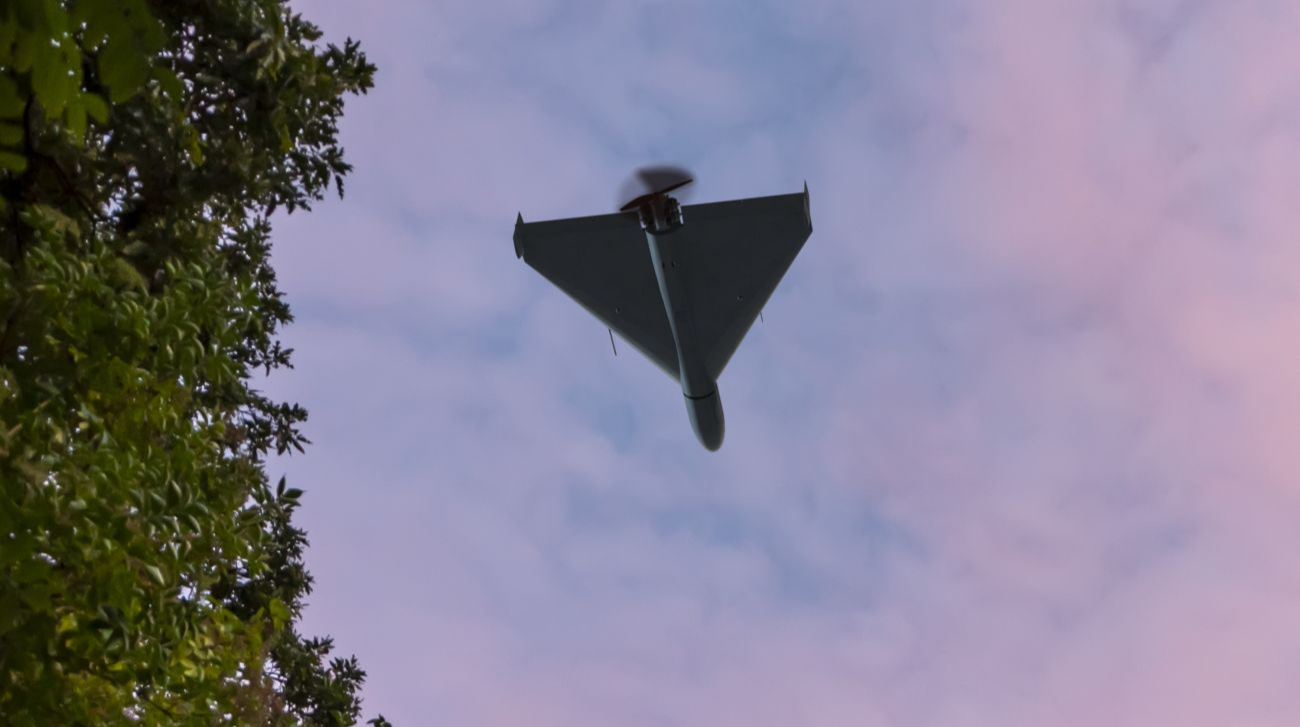
The helicopter went down near the coast of Oman on Monday night while patrolling over the Strait of Hormuz. [1] Its two crew members were rescued alive about two hours later by a naval surface drone, in the first operation of its kind. [1] The aircraft was brought down by an Iranian drone, according to US officials, though the investigation has not yet determined whether Tehran intended to attack it. [1] The Apache was brought down by a one-way Iranian attack drone, according to a US official who spoke on condition of anonymity. [4] A US Navy surface drone found and rescued the two crew members after the US Army attack helicopter went down in waters near Oman’s coast while on patrol at around 3 am on Tuesday. [4] The soldiers were rescued after two hours and were in stable condition. [4]
Trump's Statements and Peace Efforts
President Trump publicly attributed the helicopter downing to Iran and stated the US response was underway. [1] He wrote on his Truth Social network that the Iranians shot down one of our highly sophisticated Apache Helicopters and that the two pilots are safe and uninjured, adding that the United States must of necessity respond to this attack. [1] Trump told ABC News that they shot down a helicopter and we are responding as we speak, and that he believed the response should be very strong and very powerful. [4] Trump told The Wall Street Journal during a phone call on Tuesday that the incident wasn’t a big deal and stressed that the pilot is fine. [4] Despite the escalation, Trump insisted a deal was close and said the talks were on track and that a pact barring Iran from obtaining nuclear weapons could be signed in two or three days. [1]
Iran's Warnings and Response
Iran's Foreign Minister Abbas Araghchi warned that foreign forces near its territory risk accidents or crossfire and urged them to leave the region. [1] Araghchi said foreign forces in proximity to our territory are at constant risk on account of their own errors, accidents, or being caught in crossfire, and added that to reduce risk the best solution is for them to leave. [4] Parliament speaker Mohammad Baqer Qalibaf said Iran would respond decisively if needed, stating that we prefer the language of diplomacy but we speak other languages with much greater fluency and that you reap what you sow. [1] Iran’s state media reported that Qeshm Island in the Strait of Hormuz was attacked and that a projectile hit was confirmed in Sirik, with explosions heard in eastern areas of Hormozgan. [4] Iran’s state media later cited a military source as saying that no offensive air military operations had been conducted in the Strait of Hormuz in the past 24 hours and that there would be a decisive response in the event of renewed hostility by the enemy. [4]
Regional Tensions and Parallel Conflicts
This marks the second crewed US aircraft lost in the conflict after an F-15 was shot down in April. [1] The April 8 ceasefire was left on the brink of collapse after an exchange of blows between Israel and Iran, with Tehran firing missiles on Sunday in retaliation for Israeli bombings of Beirut and Hezbollah positions and Israel responding by striking several Iranian cities. [1] Hours before the strikes, Israel killed at least 29 people in Tyre, the largest city in southern Lebanon. [1] In a parallel conflict, Israel struck the historic port city of Tyre in southern Lebanon, killing at least eight people in the deadliest strike on the city since fighting erupted in Lebanon in early March. [4] Iran and Israel exchanged airstrikes earlier this week, killing two people in Tehran. [4] Tehran has long said any peace deal with Washington depends in part on an end to fighting in Lebanon, while Israel has never halted its Lebanon campaign. [4] At the same time, Tehran has continued to block most shipping through the Strait of Hormuz. [4]
Market Reactions
Equity-index futures for Japan, Hong Kong and South Korea all pointed lower as US forces hit Iran after an American helicopter was downed. [5] Contracts for Wall Street benchmarks declined 0.3 percent after stocks swung sharply on Tuesday. [5] The Nasdaq 100 Index fell 1.1 percent as investors continued rotating out of tech shares. [5] West Texas Intermediate crude rose 1 percent to $89 a barrel after the latest round of attacks. [5] The dollar strengthened against almost all its Group-of-10 peers. [5] Treasury futures held steady ahead of the May US inflation report. [5]
What to watch next: Attention now turns to Wednesday’s US inflation report, with economists expecting annual CPI inflation to accelerate to 4.2 percent in May from 3.8 percent a month earlier, while Trump has said any peace deal must ensure Iran cannot develop a nuclear weapon and that the Strait of Hormuz would reopen immediately after such a pact. [5]